


 Dollar Steadies as Traders Await Clarity on U.S.-Israel-Iran War
  RBA Set for Back-to-Back Rate Hikes, Westpac Forecasts
  Chinese AI Stocks Surge as Tencent, MiniMax, and Zhipu Launch Agentic AI Programs
  ANZ and Westpac Forecast Two RBA Rate Hikes in March and May 2026
  China's Trade Surplus Surges Past Forecasts in Early 2026
  Dollar Stabilizes Amid Iran War Uncertainty as Oil Prices Remain Elevated
  Asian Stock Markets Rise as Oil Prices Pull Back; U.S. CPI in Focus
  U.S. Futures Slide as Oil Prices Surge on Middle East Shipping Attacks
  U.S.-Israel War on Iran Sends Crude Oil Prices Surging Amid Strait of Hormuz Tensions
  Venezuela Names Paula Henao as New Oil Minister Amid U.S.-Led Industry Overhaul
  German Exports Drop 2.3% in January, Exceeding Forecast Decline
  Asia FX Steady as Iran War Signals and U.S. Inflation Data Weigh on Sentiment
  Dollar Strengthens Amid Oil Price Surge and Inflation Fears
  Gold Prices Climb Above $5,200 as Iran War Uncertainty and Inflation Data Loom
  Iran-U.S. Oil Tensions Escalate as Revolutionary Guards Threaten Strait of Hormuz Blockade
  UK Housing Market Slows Amid Geopolitical Tensions and Mortgage Rate Fears


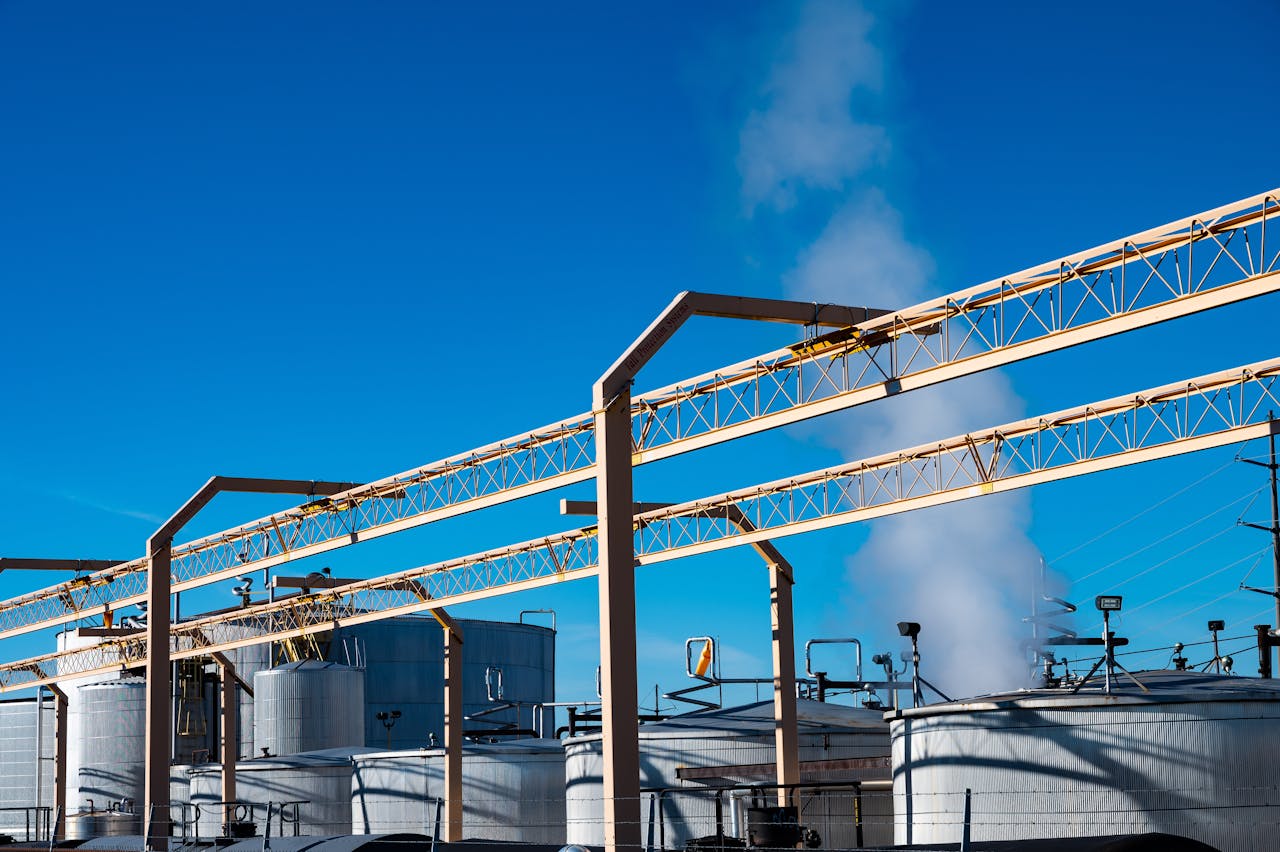
Oil prices edged slightly higher on Friday, marking a steadier start to 2026 after suffering their steepest annual decline since 2020. Investors are cautiously balancing renewed geopolitical tensions with expectations that OPEC+ will keep its current supply strategy unchanged at an upcoming meeting, offering some support to crude markets.
As of late Friday trading, Brent crude futures for March delivery rose around 0.2% to trade near $60.97 per barrel, while U.S. West Texas Intermediate (WTI) crude futures gained a similar 0.2% to approximately $57.55 per barrel. Despite this modest rebound, both global oil benchmarks ended 2025 with losses of nearly 20%, weighed down by persistent concerns about global oversupply and uneven demand growth across major economies.
Market attention is now firmly focused on the OPEC+ meeting scheduled for January 4. The oil-producing alliance is widely expected to maintain its decision to pause further output increases in early 2026. This strategy was agreed upon late last year after crude prices came under heavy pressure, and analysts believe the group has little incentive to add more supply into an already well-balanced-to-oversupplied market. Expectations that OPEC+ will reaffirm its cautious stance have helped limit further downside in oil prices.
Geopolitical developments have also provided a degree of price support. U.S. President Donald Trump recently intensified pressure on Venezuela’s oil sector by imposing new sanctions on companies based in Hong Kong and mainland China. These measures target firms and vessels accused of assisting Venezuela in bypassing existing restrictions, raising concerns about potential disruptions to Venezuelan crude exports.
In addition, tensions between Russia and Ukraine resurfaced over the New Year period, with reports of attacks on Black Sea ports and related infrastructure. While such geopolitical risks have repeatedly threatened supply in the past, they were largely overshadowed in 2025 by a global supply glut, as OPEC+ gradually unwound production cuts and non-OPEC producers maintained high output levels.
Looking ahead, oil markets remain sensitive to policy decisions, geopolitical headlines, and demand signals, with investors closely watching whether supply discipline can help stabilize prices in 2026.













