


 Gold Prices Fall 1% Ahead of Fed Decision as Markets Watch Warsh, Iran Talks
  Australia Inflation Cools as Core CPI Misses Forecasts, Easing RBA Rate Hike Pressure
  Gold Price Holds Near $4,025 Ahead of Fed Decision as Middle East Tensions Lift Oil
  Oil Prices Ease After Sharp Rally as Trump Warns of More Action Against Iran
  US Stock Futures Slip Ahead of Fed Decision, Big Tech Earnings Amid Middle East Tensions
  Japan PM Sanae Takaichi Plans Temporary Food Tax Cut to Ease Inflation Pressure
  Asian Stocks Rebound as SK Hynix Earnings Calm AI Fears, Oil Surges Ahead of Fed Decision
  Asian Stocks Rally as AI Optimism Lifts Markets; Yen Holds Gains Ahead of BOJ Decision
  BOJ Rate Decision in Focus as Sticky Inflation, Weak Yen Shape USD/JPY and Nikkei Outlook
  European Stocks Edge Higher as Strong Earnings Offset Inflation and Fed Rate Concerns
  Gold Price Slips as Stronger Dollar, Fed Rate Decision Weigh on Market
  South Korea’s KOSPI Soars as Samsung, SK Hynix Rebound on Microsoft-Fueled AI Rally
  US Stocks Slide as Fed Holds Rates, AI Chip Selloff Deepens and Oil Prices Surge
  Oil Prices Jump as Trump Vows Response to Iran Attack, Supply Risks Return
  Chile Central Bank Holds Interest Rate at 4.5% as Inflation and Global Risks Persist


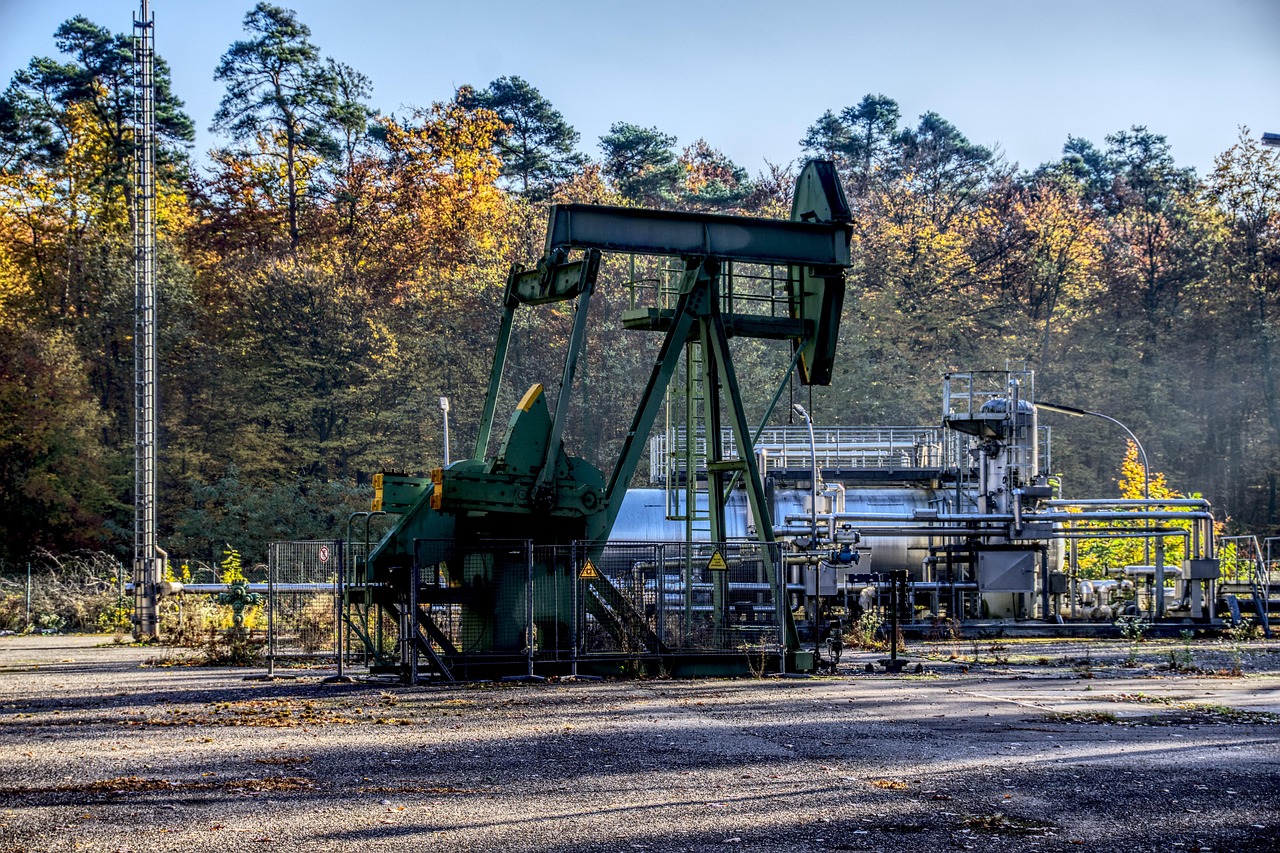
Oil prices edged higher during Asian trading on Friday and remained on track for their strongest monthly performance since March, as escalating tensions between the United States and Iran fueled concerns over prolonged disruptions to global energy supplies.
Brent crude futures for September delivery rose 0.7% to $89.64 per barrel, while U.S. West Texas Intermediate (WTI) crude gained 0.6% to $84.06 per barrel as of 00:12 GMT. Despite the gains, both benchmarks were still heading for a weekly decline of nearly 7% after optimism surrounding possible peace talks earlier in the week briefly pressured prices.
For July, however, Brent and WTI were set to post gains of roughly 21%, reflecting growing geopolitical risks across the Middle East.
Market sentiment turned more cautious after renewed U.S. strikes on Iranian military targets triggered retaliatory missile attacks by Iran against U.S. positions and regional allies. Investors also reacted to the widening conflict after an unidentified drone struck gas vessels at Egypt’s Damietta port near the Suez Canal, igniting fires and raising concerns over another key global energy shipping route.
The attack intensified fears over disruptions to crude and fuel shipments through the Suez Canal and the nearby SUMED pipeline, both critical corridors linking Middle Eastern oil exports to Europe. Meanwhile, Iran-backed Houthi militants have increased threats against commercial shipping in the Red Sea, while Iran continues to tighten its control over maritime traffic through the Strait of Hormuz, forcing shipping companies to reassess transit routes.
Saudi Arabia has also held discussions with representatives from 43 countries on creating a maritime coalition to help secure shipping lanes in and around the Red Sea following the recent Houthi blockade.
Oil prices also found support from tightening fuel supplies after attacks on refineries across the Middle East and Russia kept gasoline, diesel, and jet fuel refining margins near record highs.
Adding to the bullish outlook, U.S. Energy Information Administration data showed commercial crude inventories fell by 7.2 million barrels to 404.5 million barrels in the week ended July 24, pushing stockpiles to their lowest level since 2018 and reinforcing expectations of tighter global oil supplies.







