


 Bank of Japan Expected to Hold Rates at 0.75% Before June Hike Amid Middle East War Uncertainty
  Asian Currencies Face Pressure as U.S.-Iran Conflict Weighs on Markets
  IEA Releases Record 400 Million Barrels of Oil Amid U.S.-Iran War
  Trump Administration Launches Trade Investigations Against 16 Countries Over Industrial Overcapacity
  Gold Prices Slip as U.S.-Israel-Iran War Fuels Dollar and Oil Demand
  Chinese AI Stocks Surge as Tencent, MiniMax, and Zhipu Launch Agentic AI Programs
  Dollar Steadies as Traders Await Clarity on U.S.-Israel-Iran War
  UK Housing Market Slows Amid Geopolitical Tensions and Mortgage Rate Fears
  RBA Rate Decision: Deputy Governor Signals Genuine Debate Ahead of March Meeting
  Oil Prices Surge Toward $100/Barrel After Tanker Attacks in Iraqi Waters
  IEA Plans Record Emergency Oil Release Amid Iran Strait of Hormuz Crisis
  Asian Markets Retreat as Oil Prices Surge Toward $100 Amid Middle East Tensions
  China's Trade Surplus Surges Past Forecasts in Early 2026
  Dollar Strengthens Amid Oil Price Surge and Inflation Fears
  Nations will release an extra 400 million barrels of oil to the market. All we need to do now is not panic at the pump
  German Exports Drop 2.3% in January, Exceeding Forecast Decline
  Asian Stock Markets Rise as Oil Prices Pull Back; U.S. CPI in Focus


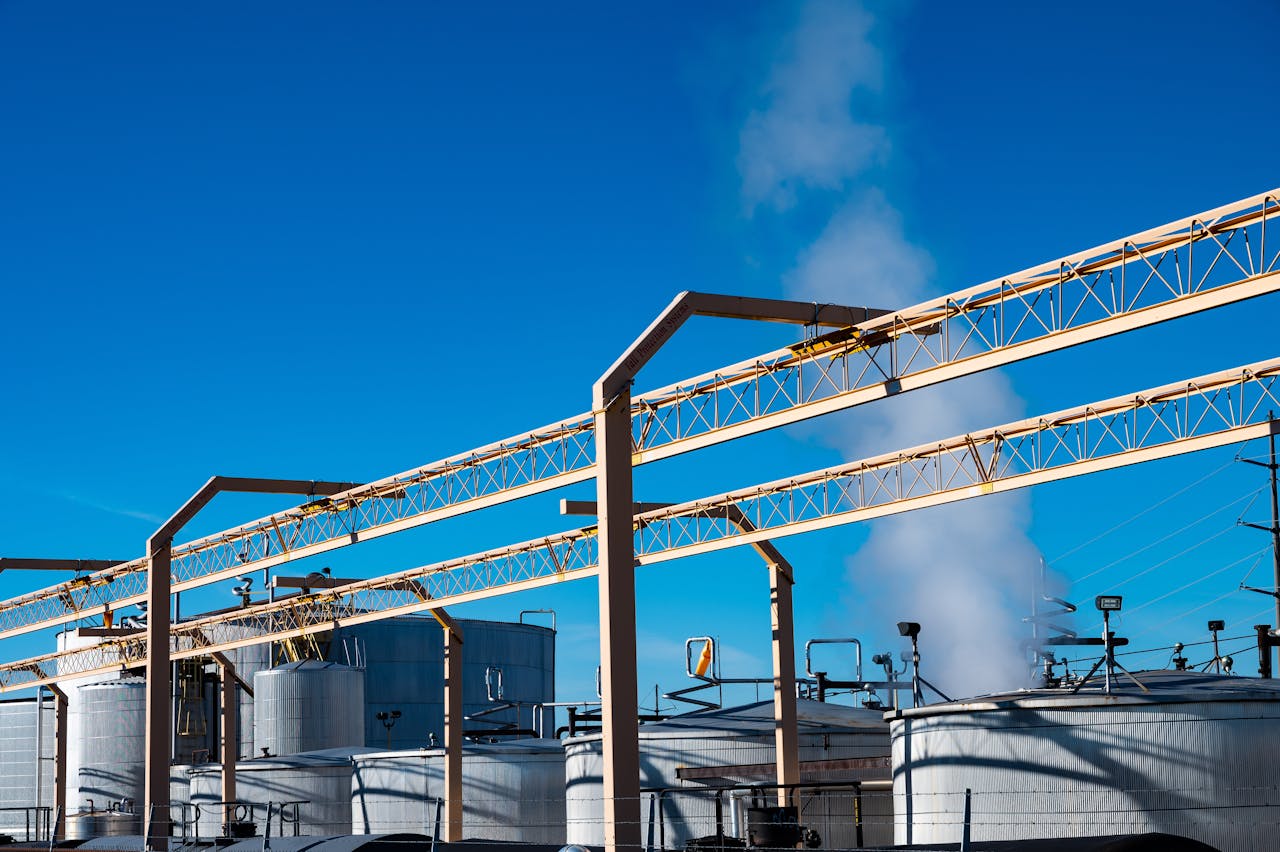
Oil prices moved higher in Asian trading on Thursday as ongoing geopolitical tensions between the United States and Iran kept a risk premium firmly embedded in crude markets. Investors closely monitored developments in the Middle East, while also assessing fresh U.S. economic data and a sharp rise in domestic oil inventories.
Brent crude futures for April delivery climbed 0.4% to $69.64 per barrel, while West Texas Intermediate (WTI) crude futures also gained 0.4% to $64.74 per barrel. The modest increase reflects cautious optimism among traders, balanced by concerns over supply and demand dynamics.
Market participants continue to factor in the possibility of escalating conflict in the Middle East. Reports earlier this week indicated that Washington is considering deploying a second aircraft carrier to the region. Although recent talks between the U.S. and Iran reportedly showed some progress regarding Tehran’s nuclear program, no definitive agreement has been reached. Additional reports suggested the U.S. may seize oil tankers carrying Iranian crude, further heightening supply disruption fears. A recent meeting between President Donald Trump and Israeli Prime Minister Benjamin Netanyahu also provided limited clarity, leaving traders wary of potential military escalation that could impact oil production in the region.
Meanwhile, strong U.S. nonfarm payrolls data for January signaled resilience in the world’s largest fuel-consuming economy. Robust job growth boosted expectations for steady oil demand. However, stronger economic performance also reduced the likelihood of near-term interest rate cuts, strengthening the U.S. dollar and capping gains in crude prices.
Further limiting upside momentum, U.S. Energy Information Administration data showed an 8.5 million-barrel increase in crude inventories last week, significantly above expectations. The build suggests a rebound in supply after extreme winter weather earlier this year disrupted output.
Investors are now turning their attention to China’s upcoming Lunar New Year holiday, traditionally marked by increased travel and higher fuel consumption, which could provide additional support to global oil prices.













