


 Asian Markets Retreat as Oil Prices Surge Toward $100 Amid Middle East Tensions
  Dollar Stabilizes Amid Iran War Uncertainty as Oil Prices Remain Elevated
  Iran-U.S. Oil Tensions Escalate as Revolutionary Guards Threaten Strait of Hormuz Blockade
  Dollar Steadies as Traders Await Clarity on U.S.-Israel-Iran War
  Iran-Israel War Sparks Global Oil Crisis as Tankers Burn in Gulf Waters
  U.S. Futures Slide as Oil Prices Surge on Middle East Shipping Attacks
  ANZ and Westpac Forecast Two RBA Rate Hikes in March and May 2026
  Oil Prices Surge Toward $100/Barrel After Tanker Attacks in Iraqi Waters
  Trump Administration Launches Trade Investigations Against 16 Countries Over Industrial Overcapacity
  Venezuela Names Paula Henao as New Oil Minister Amid U.S.-Led Industry Overhaul
  Gold Prices Slip as U.S.-Israel-Iran War Fuels Dollar and Oil Demand
  Asian Stock Markets Rise as Oil Prices Pull Back; U.S. CPI in Focus
  U.S. Solar Market Contracts in 2025 as Trump Rolls Back Renewable Energy Incentives
  Nations will release an extra 400 million barrels of oil to the market. All we need to do now is not panic at the pump
  Diesel Price Surge Threatens Global Economy Amid Middle East Conflict
  Asia FX Steady as Iran War Signals and U.S. Inflation Data Weigh on Sentiment
  U.S.-Israel War on Iran Sends Crude Oil Prices Surging Amid Strait of Hormuz Tensions


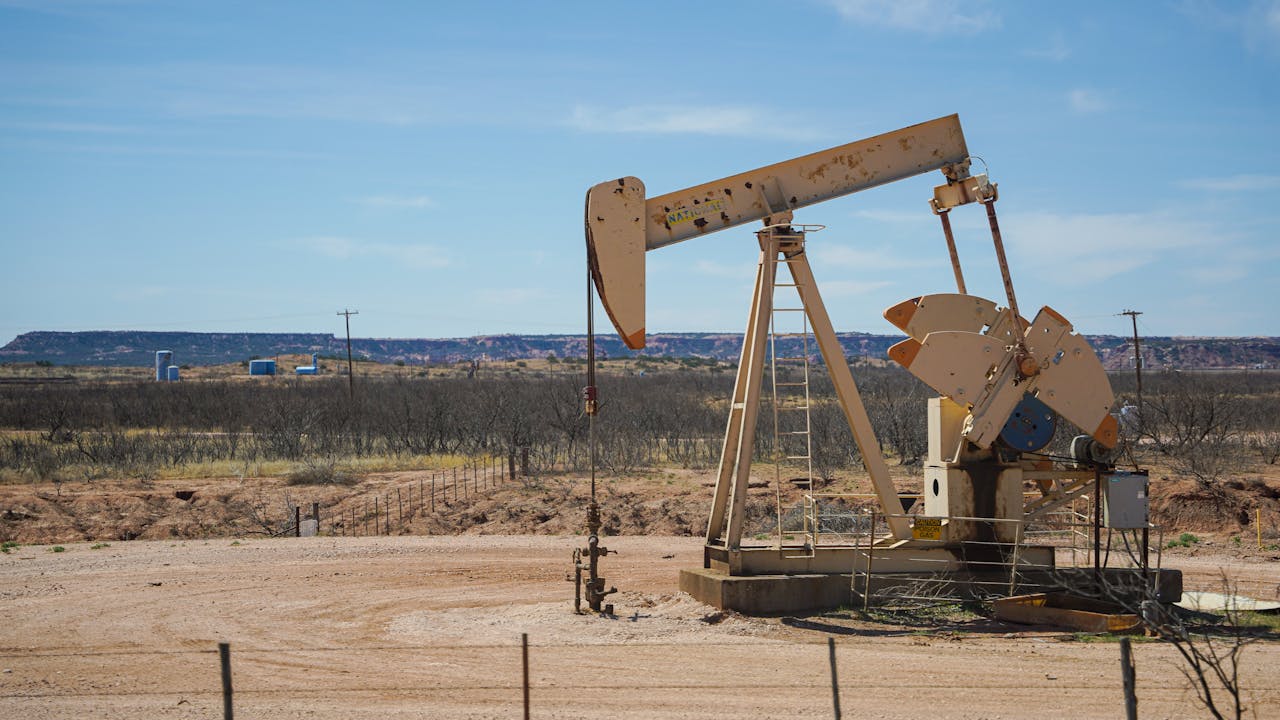
Oil prices moved higher on Friday as escalating tensions between the United States and Iran heightened fears of potential supply disruptions in global energy markets. Investors reacted after Washington warned that Tehran could face severe consequences if it fails to reach a nuclear agreement within 10 to 15 days. The renewed geopolitical uncertainty pushed Brent crude futures up 21 cents, or 0.3%, to $71.87 per barrel, while U.S. West Texas Intermediate (WTI) crude gained 23 cents, or 0.4%, to $66.66 per barrel.
On Thursday, both benchmarks settled at their highest levels in six months after President Donald Trump cautioned that “really bad things” could occur if Iran does not agree to curb its nuclear program. Although Iran maintains that its nuclear activities are peaceful, the U.S. believes otherwise, increasing the risk of further diplomatic strain or possible conflict.
Adding to market concerns, Iran announced plans for joint naval exercises with Russia shortly after temporarily closing the Strait of Hormuz for military drills. The strategic waterway, which borders Iran and the oil-rich Arabian Peninsula, handles roughly 20% of the world’s oil supply. Any disruption in the Strait of Hormuz could significantly tighten global crude supply and drive oil prices even higher.
Supply-side factors also supported the recent rally in crude oil prices. According to the U.S. Energy Information Administration, U.S. crude inventories fell by 9 million barrels last week as refinery utilization and exports increased. Meanwhile, Saudi Arabia’s oil exports declined to 6.988 million barrels per day in December, marking the lowest level since September, based on data from the Joint Organizations Data Initiative.
In Asia, Japan’s core consumer inflation slowed to 2.0% in January, the weakest pace in two years. Softer inflation may delay potential interest rate hikes by the Bank of Japan. Lower interest rates in major oil-importing nations like Japan are generally viewed as supportive for global oil demand and crude prices, reinforcing the bullish sentiment in energy markets.













