


 OpenAI Data Center Chief Chris Malone Exits Ahead of Planned 2027 Listing
  SK Hynix Shares Surge on Record $28.6 Billion Buyback
  SK Hynix Shares Fall as Workers Reject Wage Deal
  California Seeks Paramount Divestitures in Warner Bros. Merger
  Tokio Marine Eyes Multibillion-Dollar Suncorp Takeover
  Samsung Shares Tumble 8% as $79 Billion Return Plan Disappoints
  Want to muck around with a real quantum computer? Now you can
  Nvidia Options Price in $280 Billion Earnings Swing
  China EV Stocks Slide as Door Handle Recall Hits 4.3 Million Vehicles
  Xiaomi Unveils Xring O3 Chip for Flagship Foldable Phone
  Meta, U.S. States Discuss Settlement in Teen Addiction Trial
  J.P. Morgan Upgrades Diploma, Lifts Price Target to 8,250p
  SoftBank Eyes $20 Billion Bond Sale to Refinance OpenAI Loan
  Trump Buys SpaceX Shares After Record IPO
  Nvidia Eyes Perplexity Investment at $30 Billion Valuation
  Luxshare Shares Rise as First-Half Profit Jumps 18%
  SoftBank Plans Record $6.3 Billion Bond Sale to Fund OpenAI Investments


 Add as a preferred source on Google
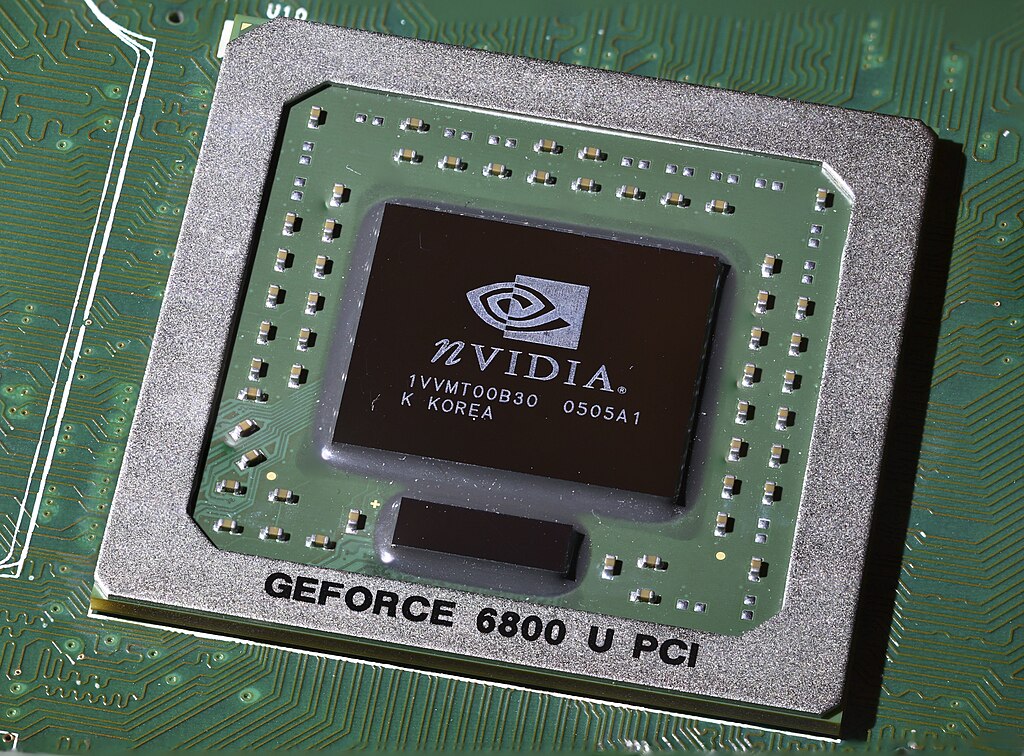
Reports earlier this week suggested that Nvidia (NASDAQ: NVDA) had agreed to acquire AI chip startup Groq in a $20 billion all-cash transaction. However, updated details clarify that the arrangement is not a traditional acquisition but a strategic, non-exclusive inference technology licensing agreement aimed at accelerating artificial intelligence inference at global scale.
Groq, a designer of high-performance AI accelerator chips founded by former Google TPU engineers, confirmed that Nvidia will license its inference technology rather than purchase the company outright. The agreement focuses on expanding access to fast, predictable, and cost-efficient AI inference, an area gaining importance as AI workloads shift from training to deployment. Groq will continue to operate as an independent company, with Simon Edwards appointed as chief executive officer.
As part of the deal, Groq founder Jonathan Ross, President Sunny Madra, and other key team members will join Nvidia to help scale and advance the licensed technology. Importantly, the agreement does not grant Nvidia exclusive rights to Groq’s technology, nor does it involve the acquisition of Groq’s intellectual property. Nvidia has not yet officially commented on the partnership, while its shares rose modestly in premarket trading following the news.
Groq recently raised $750 million at a valuation of approximately $6.9 billion, making the reported $20 billion figure notable even for a licensing arrangement. Wall Street analysts have weighed in on the strategic implications. Bank of America analyst Vivek Arya said the deal reflects Nvidia’s recognition that while GPUs dominate AI training, inference workloads may increasingly benefit from specialized chips. Groq’s Language Processing Units, or LPUs, are designed for highly predictable and ultra-fast inference using large amounts of on-chip SRAM, contrasting with Nvidia’s general-purpose GPUs that rely on high-bandwidth memory for scalability.
Analysts suggest future Nvidia systems could integrate GPUs and LPUs within the same rack, potentially connected by NVLink. Others noted that while the price appears high for a non-exclusive license, it is relatively small compared with Nvidia’s massive cash position, free cash flow, and multi-trillion-dollar market capitalization. Overall, the deal is viewed as a strategic move to strengthen Nvidia’s position in the rapidly evolving AI inference market.







