


 Trump Grants Clemency to Jay-Z Associate Emory Jones
  France Targets Shein, Temu With Fast-Fashion Fees
  Brazil Court Suspends Sigma Lithium Mine Operations
  Brazil Warns EU of Retaliation Over Animal Products Ban
  Honduras Court Drops Charges Against Ex-President Juan Orlando Hernandez
  Australia Defends Social Media Algorithm Law Amid US Concerns
  Trump Targets 1,000 U.S. Space Launches Annually by 2030
  Trump Administration Moves to Strip ABA of Law School Accreditor Status
  29 US states are suing Meta. What might it mean for the rest of the world?
  Qualcomm Stock Jumps on Amazon AI Chip Deal
  US Judge Dismisses Gautam Adani Criminal Charges
  UN Chief Raises Concern Over US Sanctions on ICC Officials
  SEC Sues Former Tricolor Executives Over $1.9 Billion Investor Fraud Scheme
  Bashar al-Assad Sentenced to Death by Syrian Court
  Texas Republicans Turn Against AI Data Centers as Election Backlash Grows
  Milei Threatens Falkland Oil Firms With Sanctions
  Thomson Reuters C-Track Cyberattack Hits Courts Across U.S. and Canada


 Add as a preferred source on Google
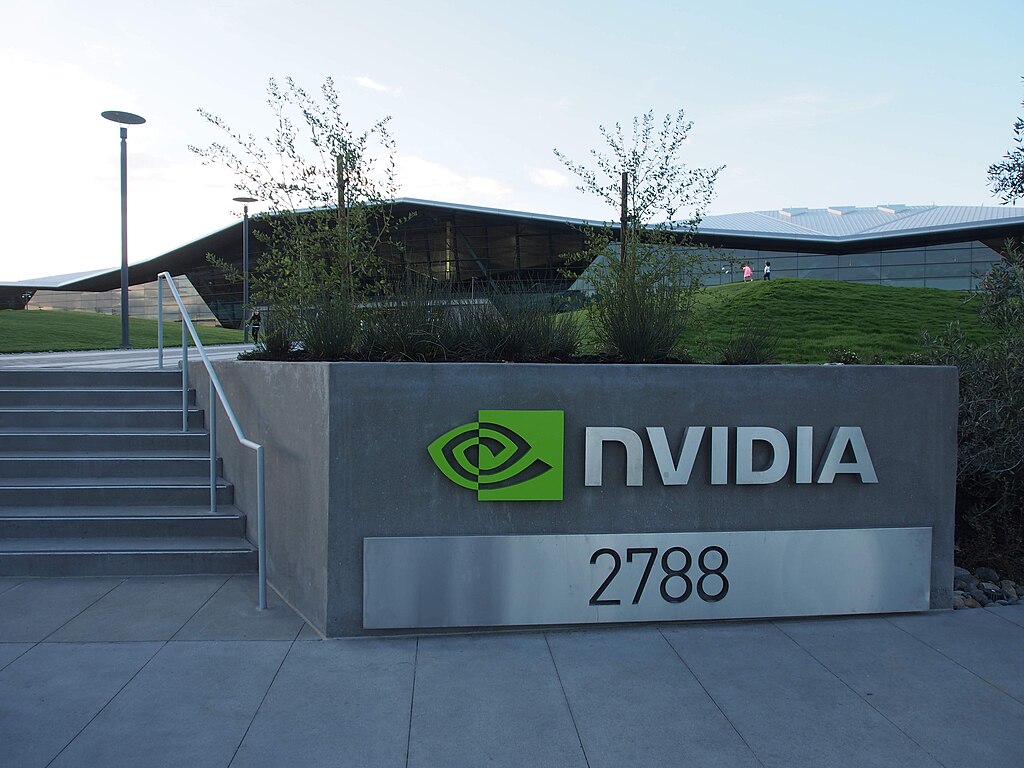
The U.S. Justice Department is investigating Nvidia’s agreement with AI chip startup Groq over concerns that the deal may have been structured to bypass traditional antitrust scrutiny, according to a New York Times report citing people familiar with the matter.
The inquiry reportedly began shortly after Nvidia announced the Groq agreement in December. The Justice Department has since issued Nvidia a formal request for information as regulators examine the structure of the transaction.
Authorities could impose a fine if they determine Nvidia violated applicable rules, although officials currently do not expect the agreement to be reversed. The investigation remains active and could also conclude without enforcement action.
Groq characterized the transaction as a nonexclusive licensing agreement that gives Nvidia access to its specialized chips for artificial intelligence inference. The arrangement also resulted in Groq CEO Jonathan Ross and Chief Operating Officer Sunny Madra joining Nvidia.
The Nvidia-Groq deal reflects increasing regulatory attention on AI partnerships that combine technology licensing with the recruitment of important executives and engineers rather than a conventional acquisition. Such arrangements may avoid automatic regulatory reviews associated with certain mergers while still providing major technology companies with valuable intellectual property and talent.
Groq continues to operate independently and offers cloud computing services. In August, the company announced plans to raise $350 million in additional funding, with Nvidia expected to participate.
Nvidia has defended its agreement with Groq, according to the report. The investigation comes as the semiconductor giant's dominance in the AI chip market gives it significant influence across the rapidly expanding artificial intelligence industry.
Nvidia, valued at roughly $5.4 trillion, has increasingly used its financial resources to invest in AI startups and support customers. Groq was valued at $7 billion before its Nvidia agreement, according to PitchBook. Its investors include Samsung, BlackRock and 1789 Capital.
The Justice Department probe could provide an important test of how U.S. regulators approach unconventional AI deals that fall short of full corporate acquisitions.







