


 Samsung Eyes Up to $1.14 Billion Investment in AI Startup Mistral
  Wistron Opens $700M Texas AI Factory to Build Nvidia GB300 Superchips
  Cathay Pacific Sees H1 Profit Surge on Strong Travel Demand
  Australia ASIC Tightens Auditor Oversight After KPMG Leak Scandal
  Nike Shifts China Online Sales Strategy to Boost Brand and Fight Local Rivals
  Amkor Stock Surges 17% After $1.5 Billion Nvidia AI Packaging Partnership
  IBM Q2 Earnings Miss Estimates as Software Growth Offsets Infrastructure Weakness
  Trump Administration Monitors OpenAI Incident as Lawmakers Push AI Kill Switch Bill
  Volkswagen Cuts 2026 Revenue Outlook as China Weakness, Trade Risks Weigh
  OpenAI Australia Data Center Switches Cooling Strategy After Recycled Water Plan Fails
  Alaska Air Q3 Outlook Misses Estimates as Higher Fuel Costs Weigh on Profit Forecast
  Domino’s Weighs Appeal After Australian Court Rules Workers Were Misled on Pay
  SpaceX Stock Slump Wipes Out Nearly $700 Billion From Elon Musk’s Paper Wealth
  Super Micro Computer Stock Jumps 20% After Record AI Orders and Margin Surge
  Intel, AMD Seek Long-Term China Server CPU Deals as AI Demand Drives Supply Crunch
  Alphabet Q2 Earnings Beat Estimates as AI Spending, Google Cloud Growth Fuel Outlook
  Macquarie Names Greg Ward as CEO, Signaling Stability and Strategic Continuity


A biopharmaceutical company based in Israel is moving closer to revolutionizing the treatment of spinal cord injuries for U.S. patients through regenerative medicine.
NurExone Biologic Inc., Ltd., which completed a reverse takeover (RTO) in June 2022 (TSXV: NRX) (FSE: J90), is developing a biotech platform called ExoTherapy. The company will leverage the platform to develop innovative treatment for damage of the central nervous system.
ExoPTEN will be the company’s first ExoTherapy product. Nurexone’s therapy involves the process of using exosomes to carry therapeutic cargo to areas in the body where needed. For acute spinal cord injuries, the company’s first market, the therapy will target a protein known as PTEN that prevents nerve cells from regenerating, inhibiting healing. ExoPTEN is expected to inhibit the expression of the PTEN protein, creating a natural healing environment in the body.
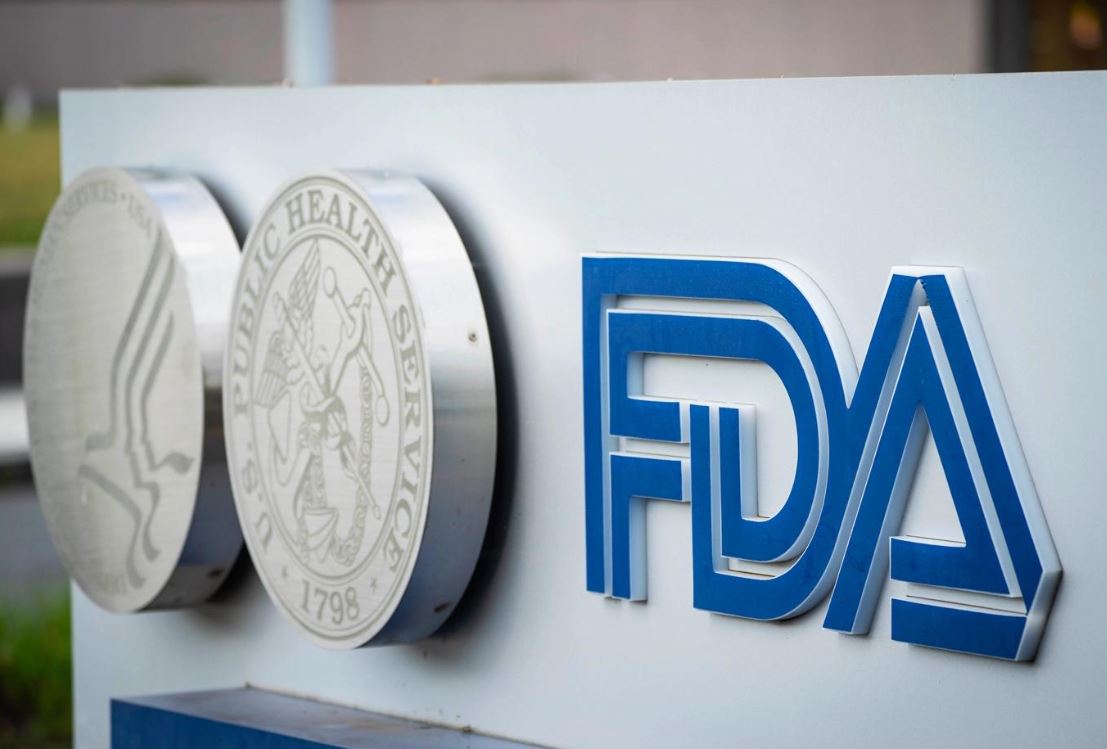
This month, the U.S. Food and Drug Administration (FDA) notified NurExone that the company’s product development meets the criteria for a pre-Investigational New Drug (Pre-IND) meeting. The news positions NurExone as a frontrunner in theindustry as it could accelerate the company’s US launch of ExoTherapy, catapulting the firm to the head of an anticipated $9.61 billion market by 2028.
According to NurExone officials, the company originally requested an Initial Targeted Engagement for Regulatory Advice on CBER Products (INTERACT), an informal meeting the FDA offers to companies that are in the early stages of developing a product. The FDA informed NurExone that the company’s developments in the treatment of damage to the central nervous system were beyond the informal meeting stage, and they should proceed to a later-phasee interaction with the U.S. regulatory body.
Dr. Lior Shaltiel, CEO of NurExone, said in a press release that a pre-IND meeting could accelerate FDA approval and “gain a first-mover advantage in launching our unique exosome-based drug platform for treating of traumatic spinal cord injuries in the United States.”
To date, the company has experimented with ExoTherapy on laboratory rats with spinal cord injuries at the Technion, Israel Institute of Technology. The results have shown improvement in the rats’ condition, enabling them to walk again. The outcome has been a major step forward in the quest to improve the lives of the hundreds of thousands of people who, according to the World Health Organization, suffer from a traumatic spinal cord injury every year worldwide.
The company plans to administer ExoPTEN intranasally to human patients, making the therapy less invasive and applicable to a broad market.
As NurExone gears up to begin clinical trials by 2024, the company joins other Israeli emerging startups in a variety of sectors that have taken advantage of the country’s investment in industry leaders. According to an article published by Entrepreneur, biotechnology continues to lead the charge, proving dominance and establishing a strong industry foothold that is making a global impact.
NurExone holds an exclusive license for the ExoTherapy technology from Technion and Tel Aviv University. Following the RTO with EnerSpar Corp. in April of 2021, NurExone experienced a rapid succession of growth including a series of collaborations to further their biotech platform.
In July 2022, NurExone partnered with Israel’s Polyrizen, another biotech company that specializes in intranasal products. The two companies have been working together to establish a delivery system for ExoTherapy. In late July, NurExone announced another partnership with Yissum Research Development Company of the Hebrew University of Jerusalem Ltd. for further research on the ExoTherapy materials.
In September, NurExone entered into an agreement with German-based cell therapy tech company denovoMATRIX to supply large-scale exosome production. By the start of the fourth quarter, NurExone also partnered with United Kingdom’s Nanometrix Ltd. that will use Artificial Intelligence to process and analyze materials used in NurExone’s ExoTherapy.
As part of the company’s expansion goals, NurExone plans to open a full-scale research and development lab in 2023.
This article does not necessarily reflect the opinions of the editors or management of EconoTimes.







