


 U.S. Senate Greenlights AI Chatbots for Official Staff Use
  Taiwan's MQ-9B SkyGuardian Drone Order Stays on Schedule Despite Middle East Conflict
  Trump Administration Spent $5.6 Billion in Munitions in Opening Days of Iran Strikes
  Boeing Secures $289 Million Smart Bomb Contract With Israel
  U.S. Patriot Missiles Redeployed From South Korea Amid Middle East Conflict
  Trump Administration Launches Trade Investigations Against 16 Countries Over Industrial Overcapacity
  U.S. Calls for Reassessment of International Aid to Taliban-Ruled Afghanistan
  Iran-U.S. Oil Tensions Escalate as Revolutionary Guards Threaten Strait of Hormuz Blockade
  U.S.-Israel War on Iran Sends Crude Oil Prices Surging Amid Strait of Hormuz Tensions
  Japan's BOJ Independence Under Fire as PM Takaichi's Rate Stance Draws Political Heat
  Ukraine Strikes Russian Missile Component Factory in Bryansk Using British Weapons
  Shots Fired at U.S. Consulate in Toronto in Suspected National Security Incident
  Trump-Putin Call Addresses Iran War, Ukraine Peace, and Global Oil Crisis
  Iran-Israel War Sparks Global Oil Crisis as Tankers Burn in Gulf Waters
  Bipartisan Housing Bill Advances in Senate, Aims to Tackle U.S. Affordability Crisis
  FBI Warns of Possible Iranian Drone Attacks on California Amid U.S.-Iran War
  Pentagon Taps Wall Street Talent to Manage $200 Billion Defense Investment Fund


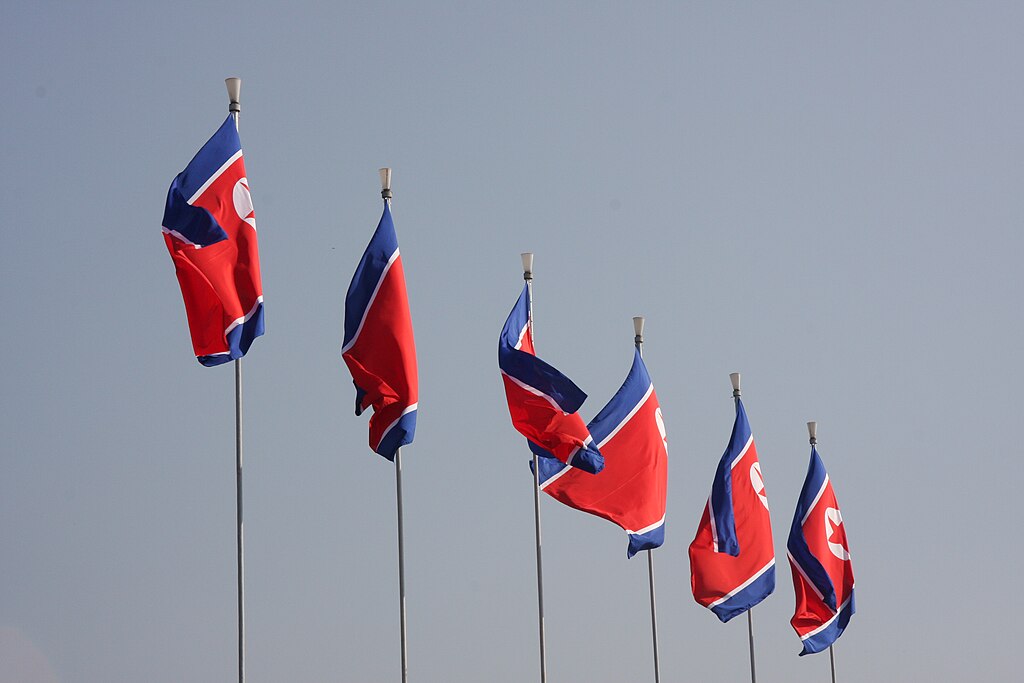
North Korea has once again heightened regional tensions after firing a ballistic missile toward the sea off its east coast, according to a statement released Sunday by South Korea’s Joint Chiefs of Staff. The missile is believed to have already landed in the sea, Japan’s Ministry of Defense confirmed, adding to concerns over Pyongyang’s continued weapons testing and military expansion.
This launch marks North Korea’s first ballistic missile test since November, signaling a renewed focus on military demonstrations at a time of heightened diplomatic activity in the region. The timing is particularly notable as South Korean President Lee Jae Myung began a state visit to China on Sunday. Analysts suggest that during meetings in Beijing, Lee may request China’s assistance in encouraging dialogue and reducing tensions with North Korea, given China’s influence over Pyongyang.
The missile test comes amid a broader push by North Korean leader Kim Jong Un to significantly expand the country’s weapons production capabilities. During a recent visit to a munitions factory, Kim called for more than doubling the production capacity of tactical guided weapons, according to reports from North Korea’s state media. This directive underscores Pyongyang’s determination to strengthen its military despite ongoing international sanctions.
In recent weeks, Kim Jong Un has conducted a series of high-profile inspections of weapons manufacturing facilities and strategic military assets. These include visits to factories producing advanced weaponry and a tour of a nuclear-powered submarine, highlighting North Korea’s focus on enhancing both conventional and nuclear capabilities. Kim has also personally overseen missile tests, reinforcing his hands-on approach to defense development.
These activities are unfolding ahead of the Ninth Party Congress of the Workers’ Party, scheduled for later this year. The congress is expected to outline North Korea’s major policy goals, including its military and defense strategy. As North Korea continues ballistic missile launches and accelerates weapons production, regional players such as South Korea, Japan, China, and the United States remain on alert, closely monitoring developments that could impact security and stability in Northeast Asia.













