


 Volkswagen Launches €28,000 ID. Cross EV as Europe’s Electric Vehicle Demand Accelerates
  Uber to Acquire Delivery Hero in $14.8 Billion Deal to Expand Global Food Delivery Business
  SpaceX Aborts Starship Test Flight as Engine Issue Delays Launch
  Nvidia Partners With Fanuc and Yaskawa to Accelerate AI Robotics in Japan
  Jamie Dimon Warns Anthropic's Mythos AI Poses National Security Risks
  Eli Lilly Eyes AtaiBeckley Acquisition to Expand Psychedelic Mental Health Pipeline
  United Airlines Beats Q2 Earnings, Raises 2026 Profit Outlook Despite Higher Fuel Costs
  Hyundai Takes Full Control of Boston Dynamics to Accelerate Humanoid Robot and AI Strategy
  Apple Intelligence Cleared for China as Alibaba and Baidu AI Power iPhone Features
  xAI Sues Man for Allegedly Using Grok to Generate AI Child Abuse Deepfakes
  SpaceX Eyes Pentagon AI Deal as Cloud Pricing Strategy Pressures CoreWeave
  Stripe, Advent Offer Over $53 Billion to Acquire PayPal in Major Fintech Deal
  Airbus Signs Cloud Deal With Scaleway to Power Secure AI and Defense Applications
  Apple Intelligence China Approval Lifts Alibaba and Baidu Shares
  Trump Criticizes ABC, NBC and CNN for Limiting Coverage of Election Speech
  GameStop Raises eBay Stake to 9.8% as Ryan Cohen Pushes $56 Billion Takeover Bid


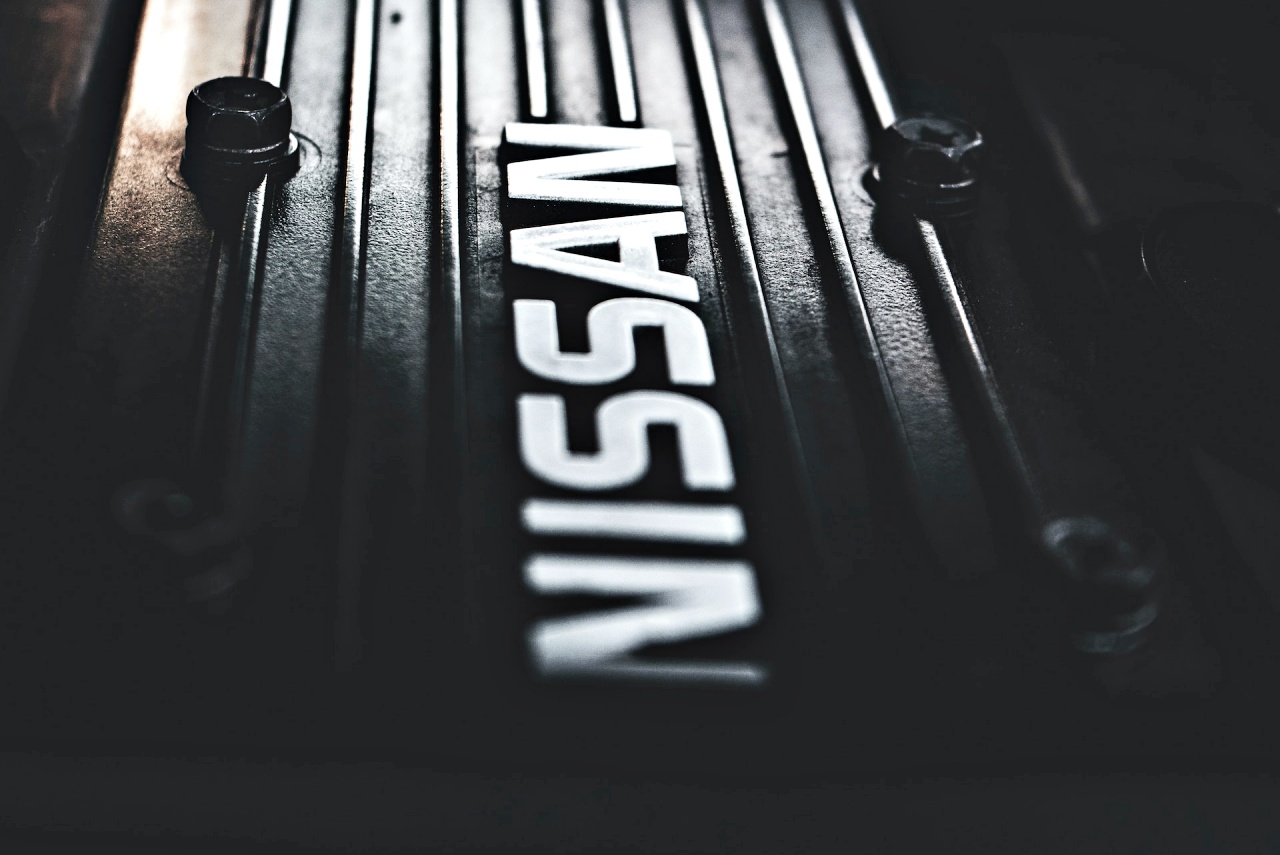
Nissan Motor Co. Ltd. revealed it will be producing two new electric vehicle models in the largest car plant in the United Kingdom. The Japanese automaker has reportedly committed to securing the factory in Sunderland to build the EV versions of its Qashqai and Juke models.
These models are two of Nissan Motor’s best-selling cars in the U.K. and the automobile manufacturer announced its intention to upgrade them by making the electric versions. According to BBC News, the firm is set to put in £1 billion as investment in the project.
Local Government Support for Nissan’s EV Plant
Aside from the investment that will come from Nissan Motor’s pocket, the local government is also expected to provide monetary support via contribution from the UK’s Automotive Transformation Fund (ATF). This is timely as this funding program just received a top-up worth £2 billion as indicated in its Autumn Statement that was published on Wednesday this week.
The Independent British Chancellor Jeremy Hunt said £4.5 billion would be made available to support strategic manufacturing sectors such as the car industry. Nissan will formally announce the development and production of its new Qashqai and Juke EV models in its Sunderland plant on Friday, Nov. 24. This project is very welcome in the region as it will also help preserve 6,000 jobs there.
Significance of Nissan’s Commitment to Make EVs in Sunderland
Nissan Motor is the only automobile manufacturer in the U.K. that has its dedicated battery plant that sits close to the main vehicle factory. The facility is owned by AESC and Nissan it supplies batteries to Nissan only.
Nissan’s Qashqai is the second most popular vehicle in the U.K. this year and the Juke model is at No. 7. The company’s commitment and investment in Sunderland is very important for a region that relies heavily on the automotive industry.
“Nissan’s re-commitment to building in Sunderland is a great boost for the city,” Centre for Cities’ director of policy and research, Paul Swinney, said in a statement. “It employs many thousands of people, and it supports the cafes, bars, and restaurants through the money that it puts in people’s pockets.”
He added, “The city is currently very much more reliant on the automotive sector than most other cities are on their key industries thus Sunderland needs more than one engine of growth if, should Nissan ever decide to leave.”
Photo by: Frank Albrecht/Unsplash







