


 Explosion and Fire Erupt at Valero Oil Refinery in Port Arthur, Texas
  Heritage, desire and diplomacy: why China still values scotch whisky
  US Reviewing Visa Denial for Venezuelan Little League Team Barred from World Series
  Locked up then locked out: how NZ’s bank rules make life for ex-prisoners even harder
  Trump Urges Hall of Fame Induction for Roger Clemens Amid Renewed Debate
  Why financial hardship is more likely if you’re disabled or sick
  Innate Pharma Reports 55% Revenue Drop and €49.2M Net Loss for 2025
  What’s the difference between baking powder and baking soda? It’s subtle, but significant
  Office design isn’t keeping up with post-COVID work styles - here’s what workers really want
  Trump's Transgender Sports Ban Faces Enforcement Challenges
  From Messi to Mika Häkkinen: how top athletes can slow down time
  Trump Threatens Stadium Deal Over Washington Commanders Name
  Golden Dome Missile Defense: Anduril and Palantir Join Forces on Trump's $185B Space Shield
  Asian Markets Rally as Oil Prices Tumble and Middle East Peace Hopes Emerge


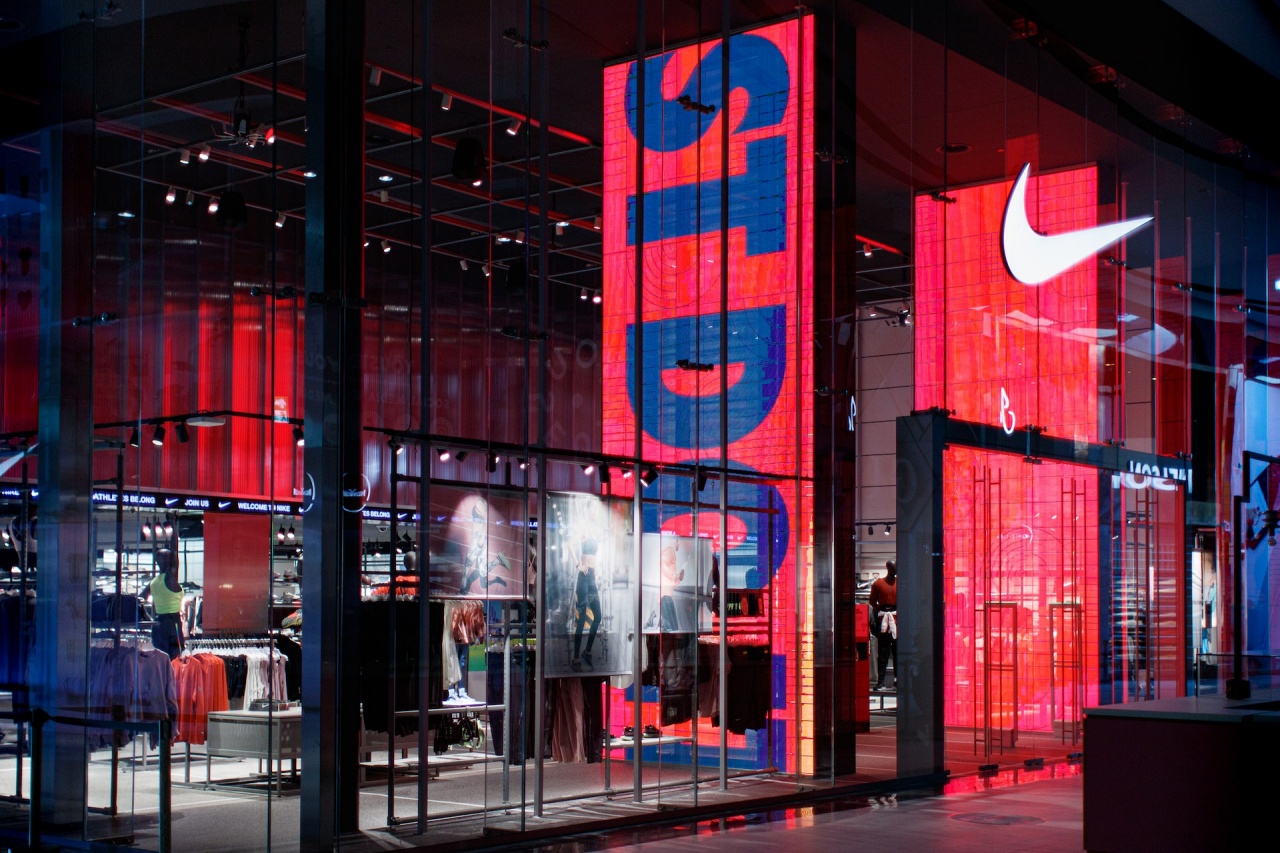
Nike's Q1 profit surpassed Wall Street's forecasts, buoyed by higher footwear and apparel prices. Despite the surge, revenue trailed analysts' expectations, nudging shares up 8% in extended trading.
Additionally, Nike forecasted a 100 basis point increase in gross margins for the second quarter, a welcome change after six consecutive quarters of declines. This positive projection is anticipated due to fewer planned markdowns and reduced freight costs.
Reflecting effective inventory management, Nike's inventories experienced a 10% decrease in the quarter that ended August 31, according to a report by Barrons. This reduction indicates the company's triumph in minimizing excess products 'ahead of the holiday season. Consequently, investor concerns regarding the need for significant discounts were alleviated.
Focus on Everyday Runners
Yahoo Finance reported that Nike's Chief Financial Officer, Matthew Friend, expressed the company's intention to capitalize on the consumer momentum surrounding running and modern comfort. Emphasizing the importance of strategic product offerings, Nike aims to leverage popular sneaker series such as Air Max 1, Infinity, and V2K to meet the increasing demand for running shoes.
To augment market presence, Nike plans to refresh its basketball shoe portfolio across the Nike and Jordan brands. This revamping effort encompasses enhancements in style and emphasizes the newly introduced Kobe brand.
Despite its success, Nike confronts challenges from various fronts. Notably, the Jordan brand, which has been a significant profit generator, faces challenges as the resale value of some shoes declines on platforms like StockX, as noted by EconoTimes. Additionally, Nike faces competition from other sports shoe brands, including Hoka, On Running, and Salomon, as consumers increasingly gravitate towards performance-oriented footwear.
In response to evolving market dynamics, Nike CEO John Donahoe emphasized the company's focus on prioritizing the everyday runner while expanding its reach through various channels, including specialty running stores. This approach aims to strengthen Nike's connection with consumers.
Annual Forecasts and Second-Quarter Outlook
Maintaining its annual forecasts, Nike anticipates a slight increase in second-quarter revenue. Analysts' predictions suggest a 2.1% rise to $13.59 billion.
With total revenue of $12.94 billion in the first quarter, Nike fell slightly short of analysts' estimates of $12.98 billion. However, analysts acknowledged Nike's pricing power, highlighting the company's ability to avoid severe discounting compared to some competitors during this year's holiday season.
Photo: Craig Lovelidge/Unsplash







