


 Nvidia, ByteDance, and the U.S.-China AI Chip Standoff Over H200 Exports
  Alphabet’s Massive AI Spending Surge Signals Confidence in Google’s Growth Engine
  SpaceX Reports $8 Billion Profit as IPO Plans and Starlink Growth Fuel Valuation Buzz
  Sony Q3 Profit Jumps on Gaming and Image Sensors, Full-Year Outlook Raised
  Nintendo Shares Slide After Earnings Miss Raises Switch 2 Margin Concerns
  Global PC Makers Eye Chinese Memory Chip Suppliers Amid Ongoing Supply Crunch
  SpaceX Updates Starlink Privacy Policy to Allow AI Training as xAI Merger Talks and IPO Loom


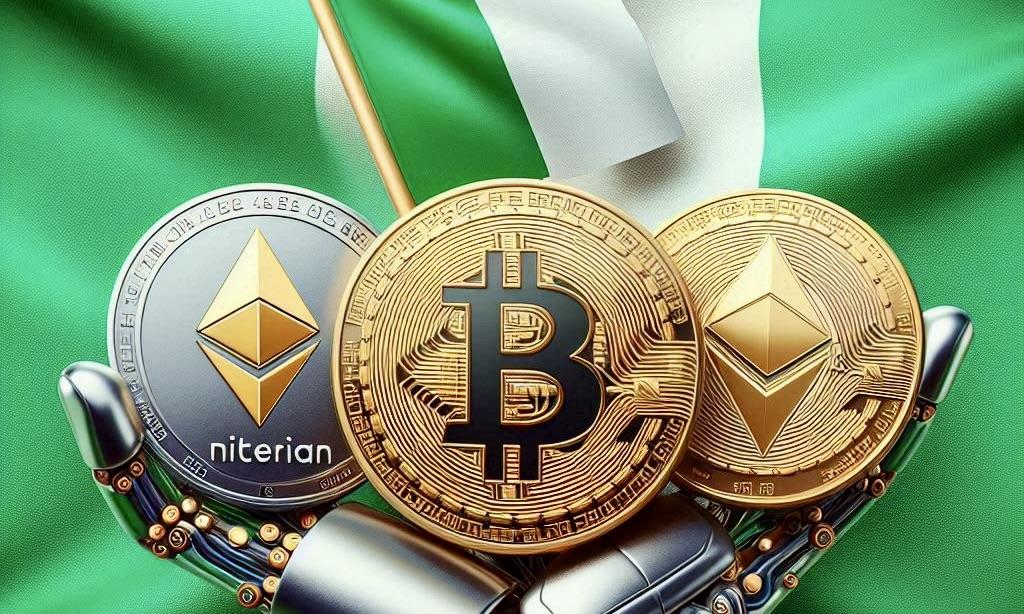
Stakeholders in Nigeria are calling on the SEC to classify Bitcoin and Ether as commodities, mirroring a recent Illinois court ruling.
Cryptocurrency Categorization Demand Grows
Stakeholders in Nigeria are pushing for the Nigerian Securities and Exchange Commission (SEC) to follow the lead of the Illinois court that recently ruled that Bitcoin and Ether are commodities.
Cointelegraph shares that as cryptocurrencies gain traction in the global financial system, there is a growing chorus of voices demanding their correct categorization and further definition.
Cryptocurrency should be defined precisely, according to Lucky Uwakwe, chairman of the Blockchain Industry Coordinating Committee of Nigeria (BICCoN), who spoke with Cointelegraph.
The chairman claims that this method would show producers exactly where to look for regulations.
"The Nigerian SEC should keep in mind the need to make rules that define the asset class of crypto assets or break respective crypto into asset classes and explain to the public how such crypto qualifies to be called securities or commodities," he remarked.
Different Protocols, Different Regulations
According to Uwakwe, the difference between proof-of-stake (PoS) and proof-of-work (PoW) protocols can change the categorization of particular crypto assets, even though the US SEC and the CFTC concur that Bitcoin and Ether are commodities.
Digital commodities have not garnered the same level of public attention in Nigeria as physical commodities, such as cash crops and agricultural products, which the Commodity Board has historically prioritized.
Nigerian Government Agencies Show Interest
Several Nigerian government agencies, including the CBN, SEC, FIRS, and NSA, have shown interest in cryptocurrencies, according to Oladotun Wilfred Akangbe, chief marketing officer at Flincap, an exchange platform for African over-the-counter cryptos.
The value of assets is now measured in Bitcoin and Ethereum, two of the most important cryptocurrencies, according to Akangbe. He emphasized that Bitcoin and Ethereum require separate methods to regulation from other cryptocurrencies.
According to Akangbe, the SEC should pay special attention to initial coin offerings (ICOs) and other forms of cryptocurrency financing. Rume Ophi, another local crypto researcher, stated that one should look at each cryptocurrency separately to see if it is a security or a commodity because they are all different.
If Nigeria is serious about creating a thorough regulatory framework for digital assets, it must listen to the suggestions of its stakeholders. The Nigerian Securities and Exchange Commission (SEC) can bring much-needed market stability and clarity by classifying Bitcoin and Ether as commodities; this will encourage innovation while guaranteeing regulatory compliance.













