


 U.S. Calls for Reassessment of International Aid to Taliban-Ruled Afghanistan
  Iran-U.S. Oil Tensions Escalate as Revolutionary Guards Threaten Strait of Hormuz Blockade
  Trump-Putin Call Addresses Iran War, Ukraine Peace, and Global Oil Crisis
  Venezuela Names Paula Henao as New Oil Minister Amid U.S.-Led Industry Overhaul
  Iran-Israel War Sparks Global Oil Crisis as Tankers Burn in Gulf Waters
  Pentagon Taps Wall Street Talent to Manage $200 Billion Defense Investment Fund
  Trump Hints at Possible U.S. Takeover of Cuba Amid Deepening Humanitarian Crisis
  Trump Administration Spent $5.6 Billion in Munitions in Opening Days of Iran Strikes
  Ukraine Strikes Russian Missile Component Factory in Bryansk Using British Weapons
  U.S.-Israel War on Iran Sends Crude Oil Prices Surging Amid Strait of Hormuz Tensions
  Trump Announces New U.S. Oil Refinery in Texas with Indian Energy Giant Reliance
  Trump Doubts Iran Mining Reports as Strait of Hormuz Tensions Escalate
  FBI Warns of Possible Iranian Drone Attacks on California Amid U.S.-Iran War
  U.S. Senate Greenlights AI Chatbots for Official Staff Use
  Mexico's Electoral Reform Bill Fails in Congress as Coalition Fractures
  Iran Mines Strait of Hormuz: Crude Oil Prices Surge Amid Middle East Tensions
  Israel-Iran War: Herzog Urges Patience as U.S. and Israeli Strikes Intensify


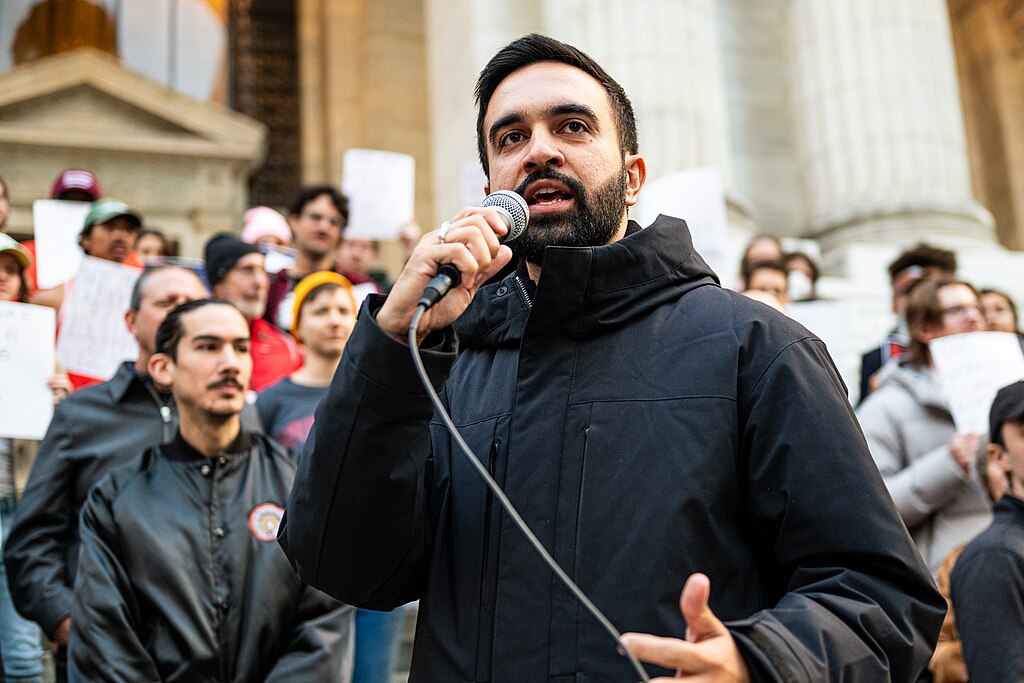
New York City Mayor Zohran Mamdani on Friday defended his decision to revoke a series of executive orders issued by his predecessor, former Mayor Eric Adams, following Adams’ 2024 federal indictment. The move has reignited debates around immigration policy, antisemitism, Israel, and trust in city government, placing Mamdani at the center of national political attention.
The revoked measures include more than a dozen executive orders Adams signed after being charged with accepting illegal campaign contributions and luxury travel from Turkish nationals seeking political influence. One of the most controversial orders allowed federal agents, including immigration officers, to operate from an office at Rikers Island, the city’s main jail. That directive was later struck down by a court, but Mamdani said its existence symbolized a broader erosion of public trust.
Recalling the day of Adams’ indictment on September 26, 2024, Mamdani described it as a turning point when many New Yorkers felt city leadership was no longer prioritizing the public interest. Although the charges against Adams were dismissed in April at the request of the U.S. Justice Department, the case remains a defining issue in city politics.
Mamdani also revoked executive orders Adams had framed as efforts to combat antisemitism. These included measures that blocked city institutions from divesting from Israel and adopted the International Holocaust Remembrance Alliance (IHRA) definition of antisemitism. Critics, including the Council on American-Islamic Relations, argue the IHRA definition has been used to silence advocacy for Palestinian rights.
Addressing concerns, Mamdani, who is Muslim and has faced accusations of antisemitism over his support for Palestinians in Gaza, said his administration will increase funding to prevent hate crimes and prioritize the protection of Jewish New Yorkers. He emphasized that revoking the orders does not weaken the city’s commitment to fighting antisemitism.
The decision drew sharp criticism from Israel’s Foreign Ministry, which accused Mamdani of fueling antisemitism, while Islamic organizations praised the move. As a left-wing Democrat, Mamdani has also clashed with Republican President Donald Trump over immigration enforcement, further highlighting the national implications of his policies.













