


 FDA Approves Mitapivat for Anemia in Thalassemia Patients
  Sanofi’s Efdoralprin Alfa Gains EMA Orphan Status for Rare Lung Disease
  Blue Origin’s New Glenn Achieves Breakthrough Success With First NASA Mission
  Tabletop particle accelerator could transform medicine and materials science
  NASA Partners with Katalyst to Save Swift Observatory with Innovative Docking Mission
  California Jury Awards $40 Million in Johnson & Johnson Talc Cancer Lawsuit
  Astronomers have discovered another puzzling interstellar object − this third one is big, bright and fast
  Cogent Biosciences Soars 120% on Breakthrough Phase 3 Results for Bezuclastinib in GIST Treatment
  Eli Lilly and Novo Nordisk Battle for India’s Fast-Growing Obesity Drug Market
  Novo Nordisk Launches Once-Daily Wegovy Pill in U.S. at Competitive Pricing
  Weight-Loss Drug Ads Take Over the Super Bowl as Pharma Embraces Direct-to-Consumer Marketing
  Trump and Merck KGaA Partner to Slash IVF Drug Costs and Expand Fertility Coverage
  AstraZeneca’s LATIFY Phase III Trial of Ceralasertib Misses Primary Endpoint in Lung Cancer Study


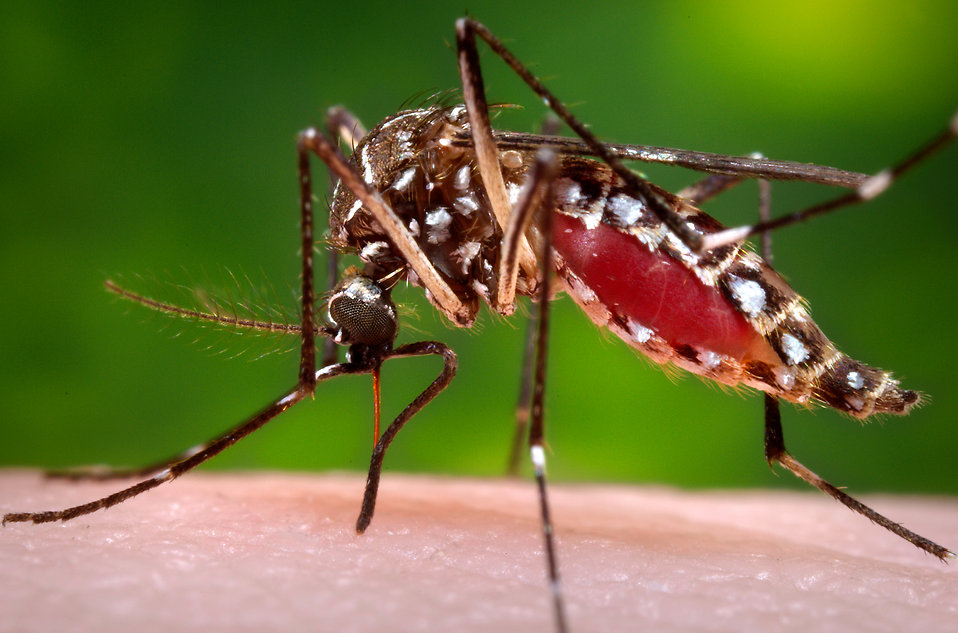
Mosquitos are the single deadliest insects in the world, killing millions of people every year through various diseases like dengue, malaria, and most recently, afflicting infants with the devastating effects of the Zika virus. A new insecticide was recently created, which has the effect of killing mosquitos by essentially making them bloat up with blood that they suck.
Jerod Denton, Ph.D., a pharmacologist at Vanderbilt recently published a study detailing how a molecule found in an experimental insecticide inhibits mosquitos from producing urine, Phys.org reports. Together with Peter Piermarini, Ph.D., an entomologist at Ohio State and several others, the study was published in the Scientific Reports journal.
The molecule in question is called the VU041 and it was tested out on the mosquito species Anopheles gambiae and Aedes aegypti. The former is a common carrier of malaria, while the latter is largely responsible for infecting people with the Zika virus. By introducing the molecule into the system of both mosquito species, their ability to produce urine is stopped.
"We're essentially preventing mosquitoes from producing urine after they take a blood meal," Denton explains.
As a result of the inhibition, the mosquitos end up blowing up in size by up to three hundred percent, in some case. This leads to the obvious result of being unable to fly, shortly followed by death.
These findings could not have come at a better time. The Zika virus had already crossed the Rio Grande and has even infected patients in Asian countries. According to The Independent, infected cases in Texas are only to be expected in the future, slowly crawling upwards.
Another reason why insecticides that target other parts of the mosquito in order to kill them are so important is the resistance that the insects are building towards conventional sprays. Most insecticides affect the nervous system of mosquitos, causing them to lose control and unable to fly. Over the years, most species exposed to the chemicals have built up a tolerance, thus rendering such products ineffective.













