


 What’s the difference between baking powder and baking soda? It’s subtle, but significant
  California Seeks Paramount Divestitures in Warner Bros. Merger
  Columbia Student Mahmoud Khalil Fights Arrest as Deportation Case Moves to New Jersey
  Xiaomi Unveils Xring O3 Chip for Flagship Foldable Phone
  Want to cut your energy bills? Here’s how five experts are doing it
  The pandemic is still disrupting young people’s careers
  SEC Probes Banks Over Situational Awareness Hedge Fund Collapse
  SK Hynix Shares Fall as Workers Reject Wage Deal
  6 simple questions to tell if a ‘finfluencer’ is more flash than cash
  Bathla Group Hires Administrators as Australia Housing Slump Deepens
  Ampol Profit Surges as Refining Margins Hit Record Highs
  Welspun Corp Shares Hit Record High on $1.8 Billion U.S. Order
  Every generation thinks they had it the toughest, but for Gen Z, they’re probably right
  Time to buy local: war fuel price shocks reveal the folly of a long food supply chain
  Disaster or digital spectacle? The dangers of using floods to create social media content


 Add as a preferred source on Google
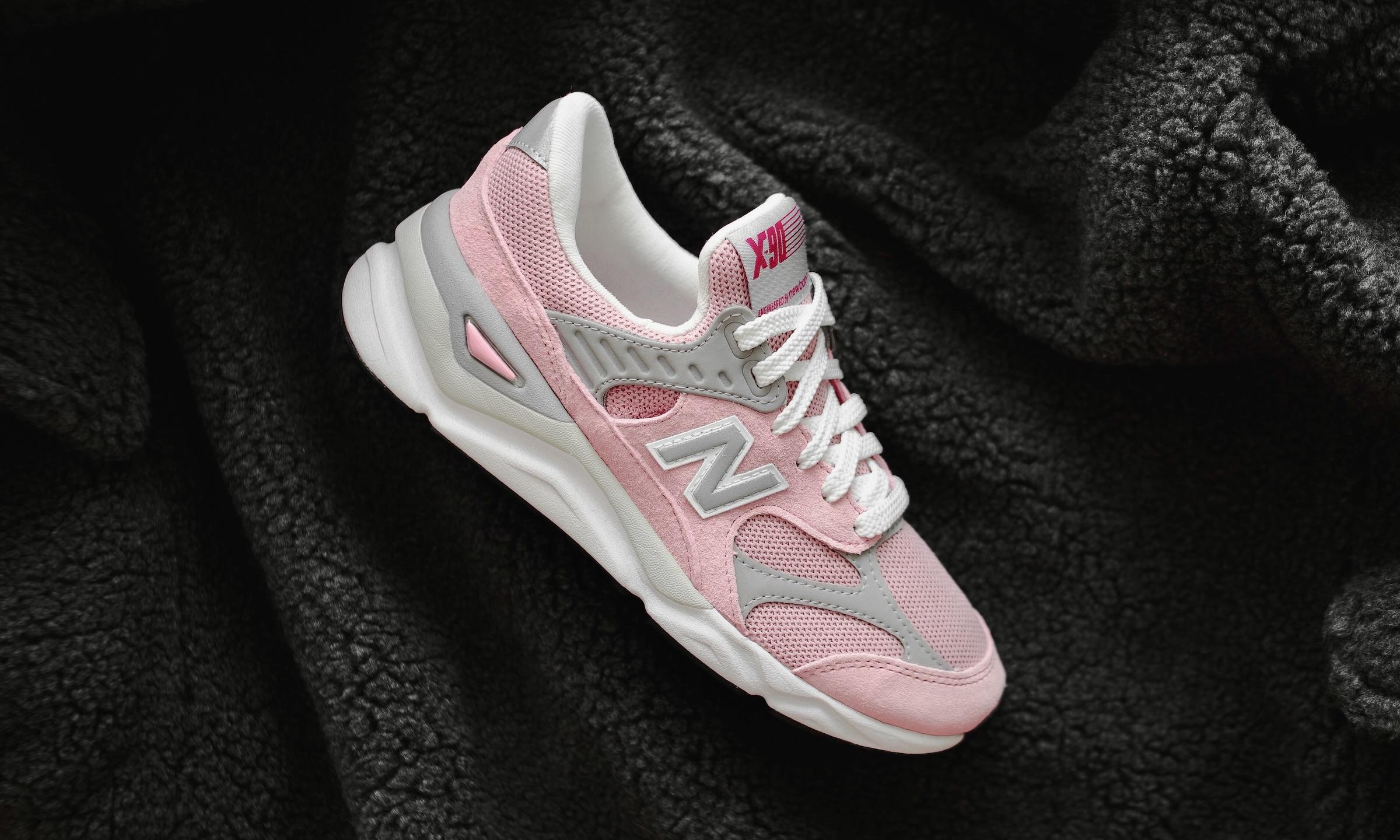
The athletic wear industry is significantly shifting towards more ethical sourcing practices. In a recent announcement, New Balance, one of the leading sports brands, revealed its plans to phase out the use of kangaroo skins in their shoes.
The decision comes as a response to growing concerns about animal welfare and sustainability. New Balance, which EconoTimes reported to have recalled a shoe model in Malaysia for containing pigskin, follows in the footsteps of Nike, Puma, and Diadora in pledging to discontinue kangaroo skins in their products.
The Kangaroos Are Not Shoes campaign, led by the Center for a Humane Economy, has raised awareness about the issue. For over three years, the campaign has highlighted the need to protect kangaroos from commercial slaughter and urged athletic shoe brands to implement more ethical practices.
Progress in Eliminating Kangaroo Skin Sourcing
The campaign's impact is evident, with four of the five biggest global athletic shoe brands now having policies to stop sourcing kangaroo skins. Alongside New Balance and Nike, Puma and Diadora have taken a stand against using these skins in their products. However, Adidas, based in Germany, remains the exception among the major brands.
"New Balance deserves our praise for pledging to disassociate itself from the wildlife-skin trade," said Wayne Pacelle, president of the Center for a Humane Economy and Animal Wellness Action, as quoted by Apparel Resources.
Pressure on Other Shoemakers
Nike, Puma, and New Balance's pledge to eliminate the use of kangaroo skins in their offerings and embrace sustainable synthetics further cements a trend that has been prevalent for years, according to EI News. Out of the 172 goals scored in last year's World Cup, 164 were from players wearing synthetic shoes or conventional leather, with synthetics dominating.
While New Balance and other major brands have taken significant steps towards ending the use of kangaroo skins, companies in the industry still continue to utilize these materials.
Mizuno, a prominent footwear manufacturer based in Japan, is one such company that remains under pressure from the Center for a Humane Economy to change their practices. With more brands embracing ethical sourcing policies, the future looks promising for Australia's iconic marsupial.
Photo: Maksim Larin/Unsplash







