


 Trump Administration Plans New Drug Pricing Deals With Biotech Firms
  Samsung Shares Tumble 8% as $79 Billion Return Plan Disappoints
  Shein Hong Kong IPO to Raise $1.7 Billion at $26.5 Billion Valuation
  New Zealand Labour Backs Social Media Ban for Under-16s
  Salesforce Shares Surge as AI Demand Powers Q2 Earnings Beat
  Nvidia Pauses AI Cloud Financing Deals Amid Antitrust Concerns
  BNP Paribas, KB Kookmin Eye $2 Billion Techcombank Stake
  SoftBank Eyes $20 Billion Bond Sale to Refinance OpenAI Loan
  OpenAI Data Center Chief Chris Malone Exits Ahead of Planned 2027 Listing
  Meta Agrees to $18 Billion Settlement, Tightens Teen Social Media Rules
  Unitree Shares Plunge 45% After Blockbuster IPO, Raising China Tech Bubble Fears
  Luxshare Shares Rise as First-Half Profit Jumps 18%
  Nvidia Reportedly Eyes $13 Billion Hugging Face Acquisition
  Xiaomi Unveils Xring O3 Chip for Flagship Foldable Phone
  Google Expands Gemini Enterprise With AI Tools for Legal Sector
  Nvidia Revenue Soars 106% as AI Demand Hits ‘Inflection Point’


 Add as a preferred source on Google
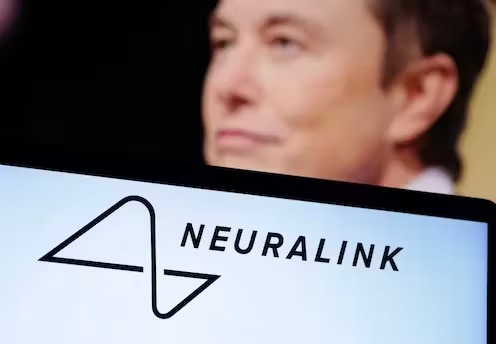
Elon Musk’s brain-computer interface startup Neuralink is preparing for a major expansion, with plans to begin high-volume production of its brain implant devices and transition to fully automated surgical procedures in 2026. The announcement was made by Musk in a post on X, signaling a significant step forward for the neurotechnology company that aims to merge the human brain with computers.
Neuralink’s brain implant is designed to help people with serious neurological conditions, particularly those with spinal cord injuries or severe paralysis. The device enables users to control digital interfaces directly through thought. According to previously shared demonstrations, the first human patient implanted with the Neuralink chip has been able to play video games, browse the internet, post on social media, and move a cursor on a laptop without physical movement. These early results have generated global interest in brain-computer interface technology and its future applications.
Although Musk’s post outlined ambitious production and automation goals, Neuralink did not immediately respond to a request for comment from Reuters. The company has, however, steadily progressed through regulatory and clinical milestones. After initially facing rejection from the U.S. Food and Drug Administration in 2022 due to safety concerns, Neuralink addressed the issues and received approval to begin human trials in 2024. This approval marked a critical turning point for the company and the broader brain implant industry.
In September, Neuralink disclosed that 12 people worldwide with severe paralysis had received its brain implants. These patients were reportedly using the technology to control both digital and physical tools using only their thoughts, highlighting the real-world potential of Neuralink’s technology. The company’s progress has also attracted strong investor confidence. In June, Neuralink secured $650 million in a funding round, providing substantial capital to scale production, refine its surgical robotics, and expand clinical trials.
If successful, Neuralink’s move toward automated brain surgery and mass production could accelerate the adoption of brain-computer interfaces and reshape treatment options for neurological disorders, positioning the company at the forefront of the rapidly evolving neurotechnology sector.







