


 Brazil Pension Fund Crackdown After Banco Master Collapse Raises Investment Concerns
  US House Advances $70 Billion Immigration Enforcement Budget Plan
  U.S. Sanctions Former DR Congo President Joseph Kabila Over Rebel Support
  U.S. Military Presence in Germany Strengthens NATO Readiness and Training
  UN Chief Says U.S. UN Funding Obligations Are Non-Negotiable Amid Reform Demands
  RFK Jr. Faces Scrutiny Over David Geier’s HHS Role and Vaccine Review Work
  Taiwan Activates Backup Communications After Undersea Cable Break on Dongyin Island
  U.S. Allows Iran Players in 2026 World Cup but Bars IRGC-Linked Individuals
  US Sanctions Target Iran’s Shadow Banking Network and Terror Financing
  Trump Criticizes German Chancellor Merz Over Iran War and Ukraine Policy
  King Charles Wraps U.S. Visit with Trump Meeting and Virginia Tour
  Russian Drone Strikes Hit Odesa Again, Injuring Civilians and Damaging Infrastructure
  US Proposes Maritime Freedom Construct to Secure Strait of Hormuz Shipping
  Lebanon Political Divide Complicates Saudi Push for Israel Negotiations
  Trump Congratulates Ali al-Zaidi on Iraq Prime Minister Nomination, Signals Strong U.S.-Iraq Ties
  U.S. Raises Alarm Over Chinese AI Firms’ Alleged IP Theft Through Model Distillation
  Iran-U.S. Conflict Escalation Threatens Global Oil Supply and Economic Stability


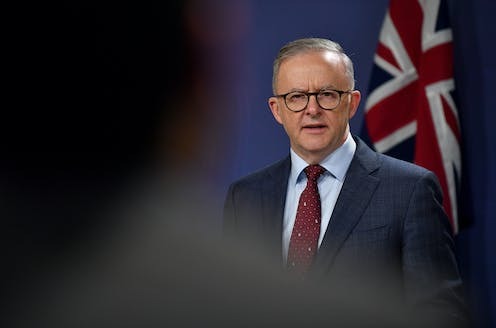
Australia’s most populous state, New South Wales, has passed sweeping new gun control and anti-terrorism laws following the deadly Bondi Beach mass shooting, marking the most significant tightening of firearm and protest regulations in decades. The Terrorism and Other Legislation Amendment Bill was approved during an emergency parliamentary session, reflecting the urgency felt by the state government after the attack that killed 15 people at a Jewish Hanukkah celebration.
Premier Chris Minns said the reforms were necessary to protect public safety, even if they proved controversial. He stated that Sydney and New South Wales had been permanently changed by what authorities described as a terrorist act, adding that the government would take every possible step to prevent similar tragedies. The bill passed with bipartisan support from the ruling Labor Party and the opposition Liberals, though it faced resistance from the National Party, which argued the new gun ownership limits would unfairly affect farmers.
Under the new laws, individual firearms licences will be capped at four weapons, while farmers will be allowed up to 10 guns. Gun club membership will now be mandatory for all licence holders, further tightening firearm oversight. Minns described these measures as the toughest gun laws in Australia.
The legislation also significantly expands police powers following a declared terror attack. Authorities will be able to restrict protests for up to three months, a move the government says is aimed at preventing intimidation and violence. In addition, the public display of symbols and flags linked to banned militant organisations such as Islamic State, Hamas and Hezbollah is now illegal, with penalties of up to two years in jail or fines of A$22,000.
The Bondi Beach shooting, the deadliest in Australia in nearly 30 years, was allegedly inspired by Islamic State ideology. One suspect was killed by police, while his son faces dozens of charges including murder and terrorism.
Civil rights and activist groups have strongly criticised the new laws, announcing plans to mount a constitutional challenge. They argue the reforms are being used to suppress political dissent, particularly around pro-Palestine protests.
At the federal level, Prime Minister Anthony Albanese has pledged a broader crackdown on hate speech and is considering a national gun buyback scheme, as his government faces growing pressure to address rising antisemitism across Australia.







