


 Blue Origin New Glenn Rocket Explodes During Launch Pad Test, Delaying Space Ambitions
  SpaceX Pivots Toward Moon City as Musk Reframes Long-Term Space Vision
  NASA Cuts Boeing Starliner Missions as SpaceX Pulls Ahead
  Cogent Biosciences Soars 120% on Breakthrough Phase 3 Results for Bezuclastinib in GIST Treatment
  Trump Signs Executive Order to Boost AI Research in Childhood Cancer
  Trump Administration to Launch Autism Initiatives Targeting Acetaminophen Use and New Treatment Options
  Tabletop particle accelerator could transform medicine and materials science
  SpaceX Delays Starship V3 Launch Ahead of Potential Record IPO
  FDA Pilot Program Eases Rules for Nicotine Pouch Makers
  Eli Lilly’s Inluriyo Gains FDA Approval for Advanced Breast Cancer Treatment
  Trump Administration Releases New UFO Files and Apollo Mission Records
  Neuralink Plans High-Volume Brain Implant Production and Fully Automated Surgery by 2026


 Add as a preferred source on Google
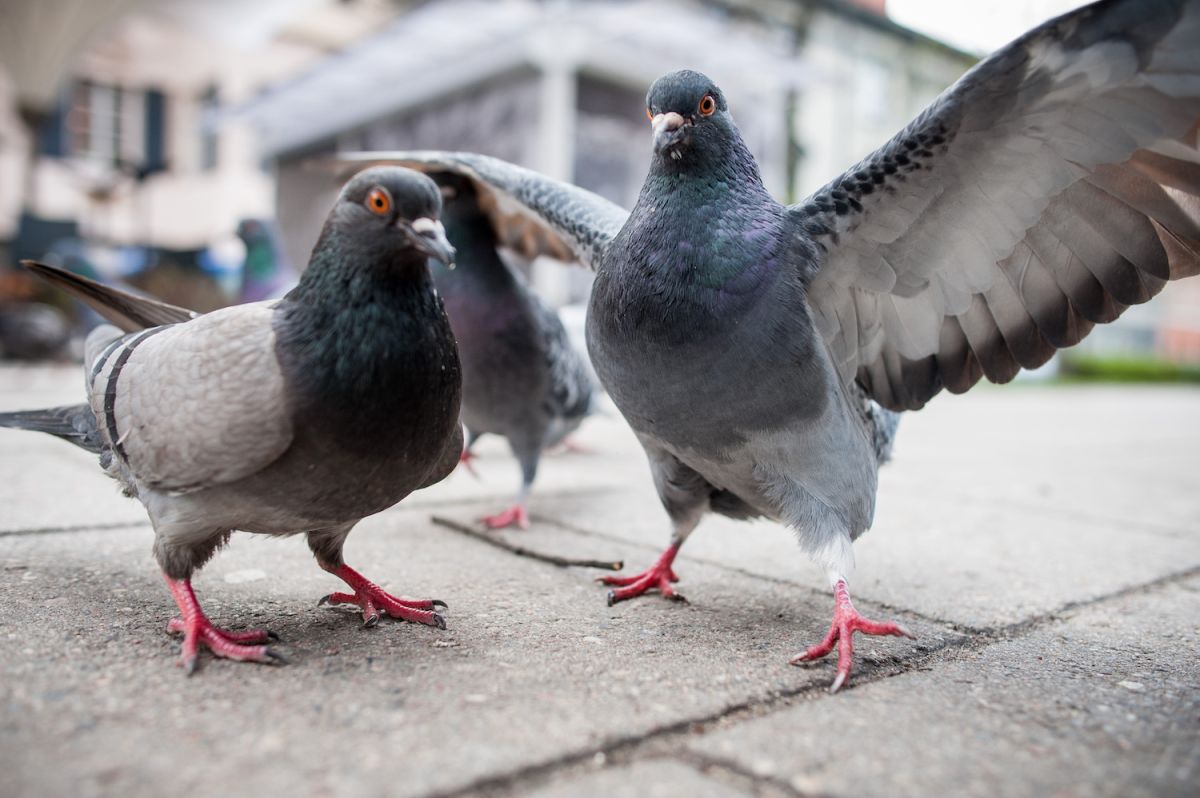
Pigeons consider safety and food availability in picking where to perch, according to Keio University professor emeritus of animal behavior, Shigeru Watanabe.
The finding could help cities manage pigeon population.
With many natural enemies, pigeons huddle together to reduce the danger of falling prey to a predator.
Another key consideration is whether food is available.
This explains why 30 or so pigeons perch on a car rooftop parked in central Tokyo in November, rather than an adjacent small park.
According to Watanabe, pigeons have figured out that they risk being attacked by crows if they perch on a utility cable. And if they rest on the ground, they automatically become the target of cats.
He added that pigeons are aware that they will be less likely to be attacked if humans are around.
According to Watanabe, the birds also have a flock mentality in that they follow whatever their leader does.
In this particular park, some people ignore the rule that feeding pigeons are prohibited.
Watanabe analyzed that the pigeons may be waiting for people to feed them while they perched in a place where the risk of being attacked is low.
He added that the pigeons are able to recognize individual human faces.







