


 Trump Suspends Some Morocco Fertilizer Tariffs to Ease U.S. Supply Shortage
  Maria Corina Machado Vows Return to Venezuela After Earthquakes Despite Obstacles
  Iran Skips U.S. Technical Talks Over Unmet MoU Conditions and Frozen Funds Dispute
  Andy Burnham Sets Out Vision to Decentralize Britain as Labour Leadership Race Begins
  Australia Plans Higher Fines for Social Media Firms Failing to Block Underage Users
  Serbia President Aleksandar Vucic to Resign, Calls Early Elections After Months of Protests
  Israeli Airstrike Kills Three in Central Gaza Despite Ceasefire
  Trump Urges Gasoline Retailers to Cut Prices to $2.50 Per Gallon, Warns of Legal Action
  Trump Announces September Overhaul of Washington’s East Potomac Golf Links
  Javier Milei Cabinet Chief Manuel Adorni Resigns Amid Spending Scandal Investigation
  Russian Attacks Kill Four in Ukraine as Zaporizhzhia and Kharkiv Come Under Fire
  Ukraine Strikes Russian Titan-Barrikady Plant With Long-Range FP-5 Flamingo Missile
  Trump Threatens 100% Tariffs on Countries Imposing Digital Services Taxes on U.S. Tech Firms
  Taiwan Coast Guard Officer Finds Strength in Faith as China Increases Pressure in Taiwan Strait
  Australia, Vanuatu Sign Security Pact Amid Pacific Influence Competition


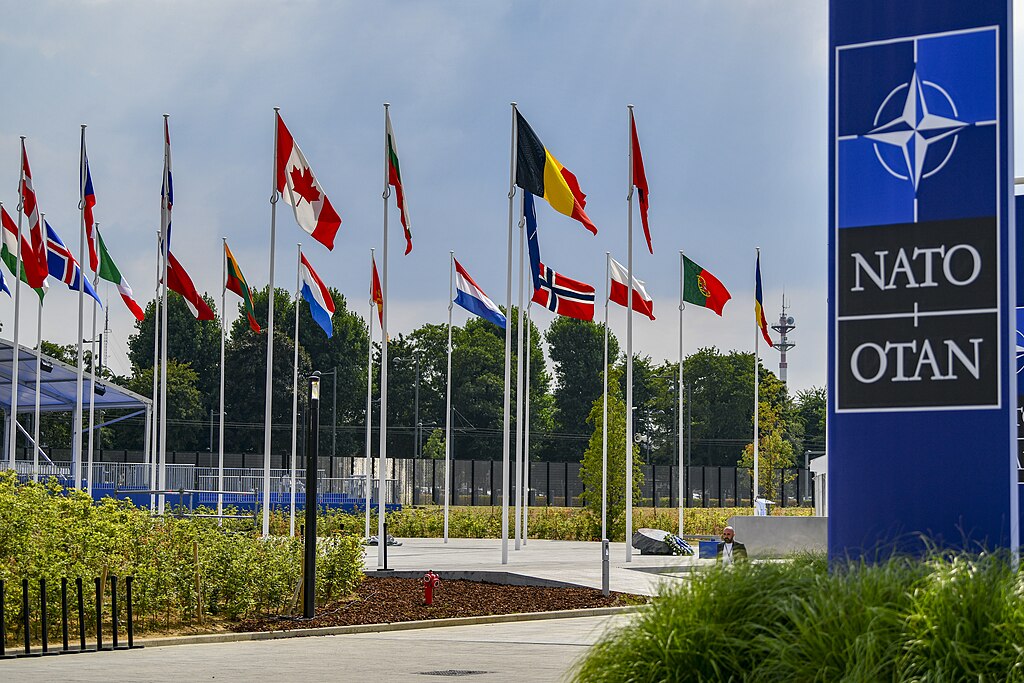
European leaders are intensifying diplomatic efforts to keep the United States committed to NATO as tensions escalate following President Donald Trump’s controversial decision to withdraw 5,000 U.S. troops from Germany. The move has raised concerns about the stability of the transatlantic alliance, particularly amid ongoing geopolitical challenges such as the Iran conflict and rising security threats from Russia.
While the troop reduction did not entirely surprise NATO officials, it highlighted a broader shift in U.S. foreign policy. European nations have increasingly been urged to take greater responsibility for their own defense, a stance long advocated by Trump. However, the abrupt nature of the decision, combined with limited consultation, has alarmed key allies. German officials, in particular, expressed concern over the political implications, suggesting that long-standing partnerships may now be subject to unpredictable changes.
Another point of tension is the cancellation of plans to deploy U.S. Tomahawk missiles in Germany, a strategy initially introduced under President Joe Biden. This development, along with Trump’s criticism of European support during the Iran war, has deepened divisions within NATO. Some European leaders have pushed back against these criticisms, emphasizing their contributions, including allowing U.S. forces access to bases and airspace during military operations.
Despite these disagreements, European diplomats recognize the importance of maintaining strong ties with the United States, given their reliance on American military power for regional security. Efforts are underway to demonstrate Europe’s value within NATO, including increased defense spending and support for future missions such as securing the Strait of Hormuz.
However, divisions among European leaders persist, particularly regarding their stance on the Iran conflict. While Western European countries have openly criticized the war, others warn that weakening NATO unity could embolden adversaries like Russia. As NATO prepares for upcoming summits, the alliance faces a critical moment in redefining its future role and cohesion in global security.







