


 U.S. Announces Additional $6 Million in Humanitarian Aid to Cuba Amid Oil Sanctions and Fuel Shortages
  New York Legalizes Medical Aid in Dying for Terminally Ill Patients
  Missouri Judge Dismisses Lawsuit Challenging Starbucks’ Diversity and Inclusion Policies
  Trump Lifts 25% Tariff on Indian Goods in Strategic U.S.–India Trade and Energy Deal
  U.S. to Begin Paying UN Dues as Financial Crisis Spurs Push for Reforms
  Trump Signs Executive Order Threatening 25% Tariffs on Countries Trading With Iran
  Jack Lang Resigns as Head of Arab World Institute Amid Epstein Controversy
  U.S. Lawmakers to Review Unredacted Jeffrey Epstein DOJ Files Starting Monday
  Federal Judge Restores Funding for Gateway Rail Tunnel Project
  Trump Backs Nexstar–Tegna Merger Amid Shifting U.S. Media Landscape
  Japan Election 2026: Sanae Takaichi Poised for Landslide Win Despite Record Snowfall
  Trump Signs “America First Arms Transfer Strategy” to Prioritize U.S. Weapons Sales
  Ohio Man Indicted for Alleged Threat Against Vice President JD Vance, Faces Additional Federal Charges
  Iran–U.S. Nuclear Talks in Oman Face Major Hurdles Amid Rising Regional Tensions
  Norway Opens Corruption Probe Into Former PM and Nobel Committee Chair Thorbjoern Jagland Over Epstein Links
  Trump Says “Very Good Talks” Underway on Russia-Ukraine War as Peace Efforts Continue
  China Warns US Arms Sales to Taiwan Could Disrupt Trump’s Planned Visit


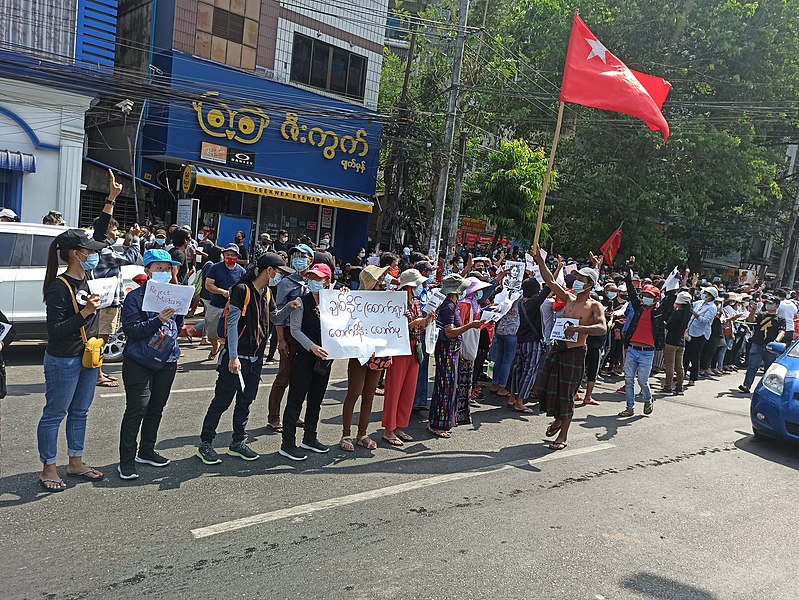
The United Nations Security Council adopted a resolution regarding Myanmar, demanding that its junta government end the violence. This marks the first adopted resolution on Myanmar since 1948.
The UN Security Council adopted its first resolution on Myanmar for the first time in 74 years, demanding that the violence be put to an end and that the junta release all of its political prisoners, including the country’s leader it ousted, Aung San Suu Kyi. Three members: Russia, China, and India, abstained from the vote, with the 12 members of the council voting in favor.
“Today we’ve sent a firm message to the military, that they should be in no doubt – we expect this resolution to be implemented in full,” said the United Kingdom’s UN ambassador Barbara Woodward following the vote. “We’ve also sent a clear message to the people of Myanmar that we seek progress in line with their rights, their wishes, and their interests.”
Chinese UN ambassador Zhang Jun told the council that there is no “quick fix” to the current situation in Myanmar. Zhang said the situation solely depends on the country itself. Zhang said he wanted the Security Council to adopt a formal statement on Myanmar rather than a resolution.
Russian UN ambassador Vassily Nebenzia said Moscow did not consider the situation in Myanmar as a threat to international security and, therefore, should not be addressed by the security council.
Negotiations for the adopted resolution began in September, with the initial draft seen by Reuters urging to end the transfer of arms to the junta and threatening sanctions. The resolution was welcomed by the group Burma Campaign UK but said that there would be “no practical impact” and that imposing an arms embargo should have been enforced instead.
A United Nations Committee blocked the junta from taking the country’s UN seat. Two diplomats familiar with the matter told AP that the UN Credentials Committee deferred the action on the junta’s request. The country’s current ambassador, appointed by the ousted government, will remain as Myanmar’s representative.
Requests from Afghanistan’s Taliban and Libya’s competing governments were also deferred, and their current ambassadors to the UN remain.













