


 Mexico's Electoral Reform Bill Fails in Congress as Coalition Fractures
  Ukraine Strikes Russian Missile Component Factory in Bryansk Using British Weapons
  Bipartisan Housing Bill Advances in Senate, Aims to Tackle U.S. Affordability Crisis
  Iran's Government Remains Stable Despite U.S. and Israeli Strikes, Intelligence Shows
  Venezuela Names Paula Henao as New Oil Minister Amid U.S.-Led Industry Overhaul
  U.S. and Russia Hold Diplomatic Talks in Florida Amid Ongoing Tensions
  Trump Administration Spent $5.6 Billion in Munitions in Opening Days of Iran Strikes
  U.S.-Israel War on Iran Sends Crude Oil Prices Surging Amid Strait of Hormuz Tensions
  U.S. Patriot Missiles Redeployed From South Korea Amid Middle East Conflict
  Israel-Iran War: Herzog Urges Patience as U.S. and Israeli Strikes Intensify
  Anthropic Sues Pentagon Over AI Blacklist, Citing Free Speech Violations
  Trump Administration Launches Trade Investigations Against 16 Countries Over Industrial Overcapacity
  Trump Announces New U.S. Oil Refinery in Texas with Indian Energy Giant Reliance
  Trump-Putin Call Addresses Iran War, Ukraine Peace, and Global Oil Crisis
  U.S. Senate Greenlights AI Chatbots for Official Staff Use
  Trump Doubts Iran Mining Reports as Strait of Hormuz Tensions Escalate
  Japan's BOJ Independence Under Fire as PM Takaichi's Rate Stance Draws Political Heat


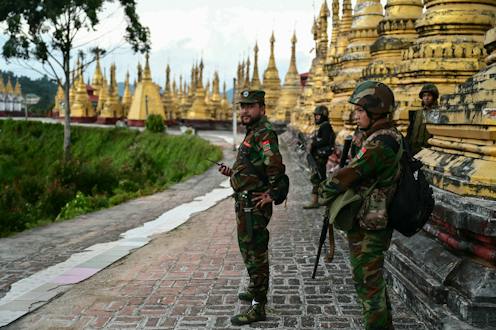
Voters in Myanmar began casting ballots in a highly controversial general election on Sunday, marking the first nationwide polls since the military coup that overthrew the elected civilian government in 2021. The election, organized by the ruling junta, is taking place against the backdrop of an ongoing civil war, widespread political repression, and serious doubts about its credibility.
Myanmar’s military leaders claim the vote offers a political and economic reset for the conflict-ravaged Southeast Asian nation. However, critics including the United Nations, Western governments, and international human rights organizations have dismissed the election as neither free nor fair. Many anti-junta political parties are barred from participating, and meaningful democratic competition is largely absent.
Aung San Suu Kyi, the Nobel Peace Prize laureate and former leader of the National League for Democracy (NLD), remains detained, while her party—victorious in a landslide during the 2020 election—has been officially dissolved. Following the coup, mass protests erupted nationwide but were brutally suppressed, prompting many civilians to take up arms and fueling a prolonged armed rebellion.
The military-aligned Union Solidarity and Development Party (USDP), founded by former generals, is expected to dominate the election. According to political analysts, the USDP is fielding a disproportionate number of candidates amid weakened opposition, making its return to power almost inevitable.
Voting is scheduled in phases, with additional rounds planned for January 11 and January 25 across 265 of Myanmar’s 330 townships. However, the junta does not fully control many of these areas due to ongoing fighting. Dates for vote counting and results announcements have not been confirmed.
The UN has warned that the elections are occurring in an atmosphere of violence and repression, with no genuine freedom of expression or political participation. Despite junta claims that the polls will pave the way for peace and economic recovery, analysts believe international recognition of any military-backed government is unlikely.
For many citizens, economic hardship, conflict, and a predetermined outcome have led to voter apathy. As one Yangon resident put it, the result feels decided long before ballots are counted.













