


 Iran-U.S. Oil Tensions Escalate as Revolutionary Guards Threaten Strait of Hormuz Blockade
  FBI Warns of Possible Iranian Drone Attacks on California Amid U.S.-Iran War
  After the Iran war, Persian Gulf nations face tough decisions on the US – a former diplomat explains
  Iran's Government Remains Stable Despite U.S. and Israeli Strikes, Intelligence Shows
  Ukraine Strikes Russian Missile Component Factory in Bryansk Using British Weapons
  Trump Doubts Iran Mining Reports as Strait of Hormuz Tensions Escalate
  Russian Drone Strikes Hit Kharkiv and Dnipro, Injuring Over 20 Civilians
  Taiwan's MQ-9B SkyGuardian Drone Order Stays on Schedule Despite Middle East Conflict
  Japan's BOJ Independence Under Fire as PM Takaichi's Rate Stance Draws Political Heat
  Bipartisan Housing Bill Advances in Senate, Aims to Tackle U.S. Affordability Crisis
  Trump Hints at Possible U.S. Takeover of Cuba Amid Deepening Humanitarian Crisis
  Venezuela Names Paula Henao as New Oil Minister Amid U.S.-Led Industry Overhaul
  Trump Administration Spent $5.6 Billion in Munitions in Opening Days of Iran Strikes
  Trump Announces New U.S. Oil Refinery in Texas with Indian Energy Giant Reliance
  Mexico's Electoral Reform Bill Fails in Congress as Coalition Fractures
  U.S.-Israel War on Iran Sends Crude Oil Prices Surging Amid Strait of Hormuz Tensions
  U.S. and Russia Hold Diplomatic Talks in Florida Amid Ongoing Tensions


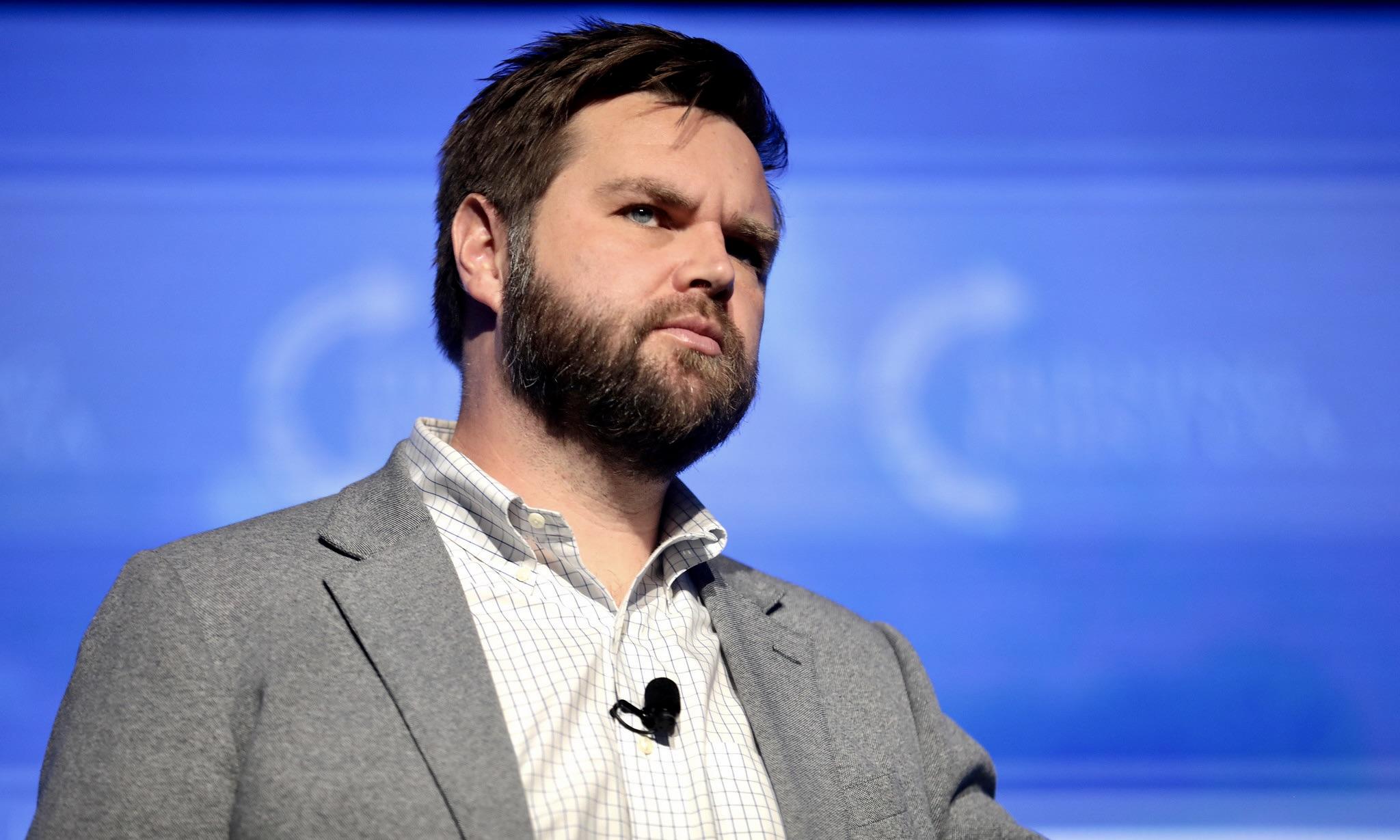
One year after U.S. Vice President JD Vance sharply criticized European allies at the Munich Security Conference, transatlantic relations remain under intense strain. As global leaders gather again in Munich, Washington’s partners are seeking a more independent strategic path while trying to preserve the foundations of the NATO alliance.
Vance’s 2025 speech, in which he accused European governments of undermining free speech and mishandling immigration, marked a turning point in U.S.-Europe relations. Since then, tensions have escalated amid what former German diplomat Wolfgang Ischinger described as “wrecking-ball politics,” warning that sweeping disruptions now define global diplomacy rather than careful reform. The 2026 Munich Security Conference unfolds against the backdrop of multiple global conflicts, including the wars in Ukraine, Gaza and Sudan, highlighting growing geopolitical instability.
Under President Donald Trump, U.S. foreign policy has taken a more confrontational tone. Tariffs on allies, threats of military action in Latin America and controversial remarks about annexing Greenland have shaken confidence within NATO. Although Trump appears to have stepped back from some of his rhetoric following domestic pressure, concerns about long-term shifts in U.S. commitments to European security persist.
European leaders, including German Chancellor Friedrich Merz, have emphasized strengthening the European Union’s defense capabilities and economic resilience. Increased military spending and renewed discussions about strategic autonomy signal Europe’s desire to reduce reliance on U.S. military support, particularly as the standoff with Russia over Ukraine continues.
U.S. Secretary of State Marco Rubio is leading the American delegation this year, with expectations of a more measured tone. High-profile attendees include Ukrainian President Volodymyr Zelenskiy, French President Emmanuel Macron, British Prime Minister Keir Starmer and Chinese Foreign Minister Wang Yi.
As global security challenges intensify, the Munich Security Conference 2026 represents a critical moment for transatlantic ties, NATO’s future and efforts to secure lasting peace in Ukraine.













