


 Brazil Blocks Prediction Market Platforms, Tightens Derivatives Trading Rules
  SpaceX President Gwynne Shotwell Earns $85.8M as IPO Buzz Grows
  Hyundai Plans 20 New Models in China to Boost EV Strategy and Market Share
  Elon Musk Signals Intel 14A Chips for Tesla’s Terafab AI Semiconductor Venture
  $16B Michigan Data Center Project Boosts U.S. AI Infrastructure Expansion
  Meta Expands AI Training With Employee Activity Tracking Tools
  SpaceX Eyes $60B Cursor Deal to Boost AI Power Ahead of IPO
  Florida Investigates OpenAI and ChatGPT Over Alleged Role in FSU Shooting
  PLS Reports Record Lithium Output as EV Demand Fuels Market Growth
  SK Hynix Reports Record Q1 Profit Surge Driven by AI Memory Chip Demand
  Amazon Stock Rises as Meta Expands AWS Partnership for AI Infrastructure
  U.S. Raises Alarm Over Chinese AI Firms’ Alleged IP Theft Through Model Distillation
  LG Innotek Stock Hits Record High on $68M Automotive Wi-Fi 7 Deal
  Judge Dismisses Elon Musk’s Fraud Claims Against OpenAI, Trial to Proceed on Remaining Allegations
  Nvidia Pushes 800V Data Center Power Systems to Boost Efficiency and Cut Costs
  European Car Sales Surge in March as EV and Hybrid Demand Accelerates
  Why Global Web3 Projects Can't Afford to Skip South Korea: TokenPost Unveils Data-Driven Entry Solutions


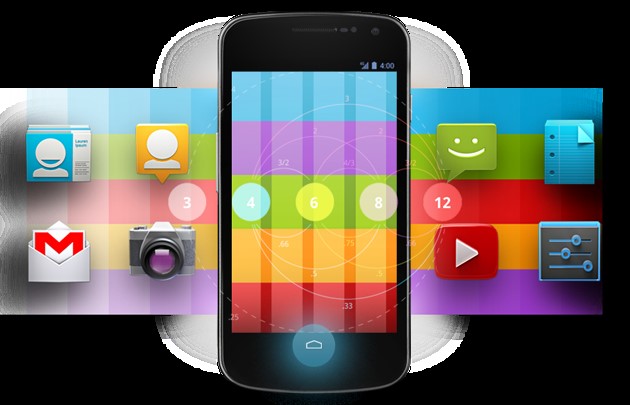
Over the last years, one can see how the advent of smartphones and tablets have expedited and shaped the route of development of websites and their interface. Like much technology in the last few decades, smartphones were seen as a bit of a frivolous folly when they first appeared until people recognized their potential. And the same is true of tablets that followed a few years later. But having been part of our lives for nearly a decade now, they have had profound impacts on how we consume the internet.
One facet of websites that changed was the format. On smartphones and tablets the familiar websites from the pre-touch screen area became a bit cumbersome to use and it was difficult to read texts. Website developers started then to use scrolling features to make websites more friendly to people on mobile devices.
Unsurprisingly, many of the most noticeable developments in optimizing sites for mobile devices have been made by companies whose customers use the site to order their product or service. So important to these companies that an entire industry has sprung up round creating and modifying websites. Professional hub of web designers the world over, Sitepoint regularly ranks the best tools for developers and has often found the best website design programs are ones that allow for the simultaneous development of websites to be viewed using different devices.
Of course one of the biggest changes brought about by the bulk of internet consumption now happening not on computers or laptops but mobile devices—a fact that few could have imagined as recently as ten years ago—is certainly the app. Mobile devices, with touchscreen interface, offer a very unique customer experience when compared to traditional websites accessed through computers and laptops. This change in the hardware instigated a formidable change in software.
Travel and tourism was one traditional industry that sought to capitalize on these changes, and rightly so as they were being brought on by changes in devices that allowed one use the internet while on the move, a change to how we had all used the internet previously. As an industry focused on the very act of moving round, travel was a natural fit.
It wasn’t long before apps were developed that informed passengers of delays and connections in their local public transport systems, or where users could search for cheap airline fares and book tickets to attractions such as theaters and museums without being there physically. The industry also took great advantage of the mobile nature of mobile devices by creating apps for people to give themselves self-guided walking tours. This Time Travel Explorer app, for instance, combines modern GPS systems and historic maps of London to guide travels to points of interest and gives the user the chance to toggle between modern and historical maps so they get the feel of how much (or little) various districts of the city have changed. The argument is that apps such as these will only whet the appetite of customers and not make guided walking tours obsolete.
Digital native companies were in many ways the most likely candidates to make use of the new software and hardware. The iGaming industry developed in leaps and bounds over the last decade and now offers streamlined access to their games whether at home or when out and about. iGaming operator Sun Bingo has an app that allows their customers to play bingo, slots, and other games from Android devices as well as iPhones and iPads. Users can also play on a mobile version of the site which has been optimized for smaller screens. When customers had difficulty accessing gaming sites on mobile devices in the past the industry moved rapidly to develop apps and sites that catered to people who wanted to play during, for example, their daily commute to work.
It’s not always easy to predict what innovations will shape the future of an industry and where computer technology is concerned it’s sometimes blind man’s bluff as to whether software will foster hardware changes or vice versa. Just recently it was announced by Israeli startup StoreDot that their smartphones' batteries, capable of charging a phone in five minutes, will be entering production in early 2018. Regardless of how realistic that claim is—its timeline has been disputed by some—that technology will be imminently available and it's nearly impossible to predict what changes, if any, that will bring to website interface.







