


 Malaysia Unveils Energy Security Plan Amid Iran Conflict and Rising Oil Costs
  Asian Currencies Slide as Iran Tensions Boost Dollar and Oil Prices
  Saudi Aramco Q1 Profit Jumps 25% as Strait of Hormuz Crisis Reshapes Oil Exports
  China Inflation Jumps as Iran Conflict Drives Energy Costs Higher
  US Auto Industry Urges Trump to Block Chinese EV Market Access
  US Stock Futures Slip as Trump Rejects Iran Peace Proposal Amid Rising Middle East Tensions
  Japan’s Yen Intervention and BOJ Rate Hike Bets Support Currency Recovery
  U.S.-China Beef Trade Deal Hopes Rise Ahead of Trump-Xi Summit
  Trump Rejects Iran Proposal as Strait of Hormuz Crisis Pushes Oil Prices Higher
  Oil Prices Rise Amid Strait of Hormuz Tensions and U.S.-Iran Ceasefire Uncertainty
  China Car Sales Drop Again as EV Export Growth Surges in April
  Russian LNG Shadow Fleet Expands Amid Arctic LNG 2 Sanctions
  Wall Street Hits Record High as AI Chip Stocks and Strong U.S. Jobs Data Boost Markets
  Australia Budget 2026: Smaller Deficit Expected Amid Tax Reform Push
  Dollar Struggles to Rally Despite Strong US Data as Fed Hike Expectations Remain Limited
  Asian Currencies Slip as US Dollar Gains on Rising Iran Tensions and Awaited Jobs Data


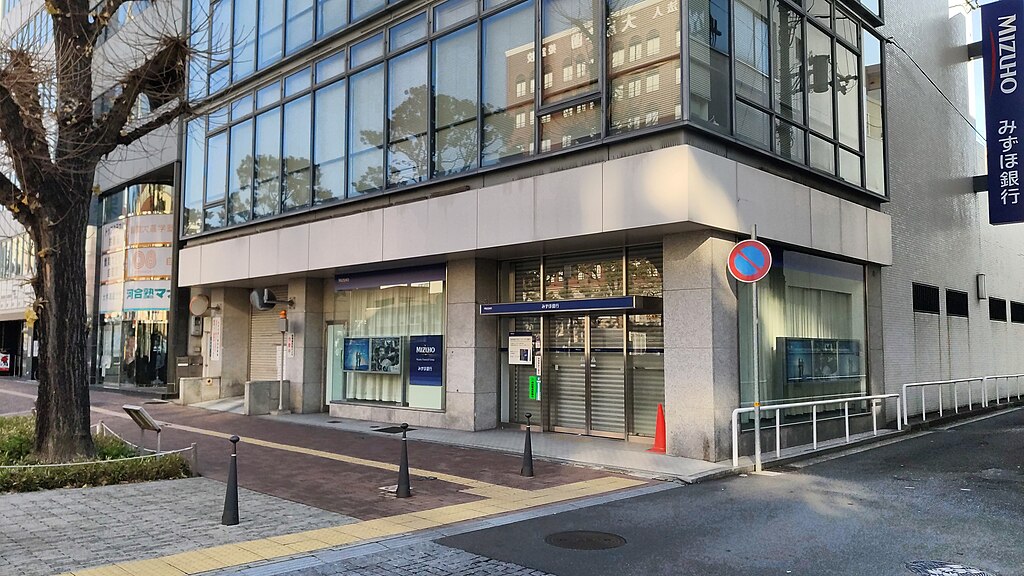
Mizuho Securities has shifted its top semiconductor stock pick from Taiwan Semiconductor Manufacturing Company (TSMC) to ASML Holding N.V. (AS: ASML), citing a more attractive risk-reward profile as the stock lags behind its peers.
In a research note, Mizuho analysts pointed out that while TSMC shares saw a 16% gain in September, ASML’s performance remained modest, rising just 0.8% during the same period. This underperformance has led the firm to view ASML as an appealing long-term investment and its preferred semiconductor stock for year-end gains.
"ASML is my new favorite single semi-long into year-end," said one Mizuho analyst, emphasizing the stock's underperformance when compared to the broader semiconductor sector and major industry players such as Nvidia (NASDAQ: NVDA) and TSMC. According to the analyst, ASML presents a "compelling risk-reward with limited downside."
Negative Sentiment Seen as a Buying Opportunity
Mizuho acknowledged that recent concerns over capital expenditure cuts by Intel (NASDAQ:INTC) and potential risks related to China restrictions have negatively impacted market sentiment around ASML. However, the firm views this as an opportunity for investors, suggesting that these concerns have already been priced into ASML's current valuation.
Key Events and Revenue Forecasts
The analysts forecast that ASML's upcoming third-quarter results, expected to be released in October, will likely remain stable. Additionally, the company's investor day on November 14 is identified as a key event to watch. Mizuho does not anticipate that ASML management will revise its long-term revenue targets for 2025, currently estimated between €30-40 billion.
"I sense buyside now expects €32-33 billion at best," the analyst added, suggesting that even modest reductions in revenue expectations could pave the way for a rally in ASML's stock price.
Valuation and Upside Potential
Mizuho analysts also believe ASML is well-positioned for a rebound in lithography tool spending, expecting the company's valuation to expand to a 30-32 forward price-to-earnings (P/E) ratio. Currently, the stock trades within a compressed P/E range of 26-27. With earnings per share (EPS) estimates for 2024 already showing downward adjustments, Mizuho sees limited downside risk and significant potential for upside gains.
"ASML valuation can expand back more towards a 30-32 forward P/E range vs. the compressed level of 26-27 right now," the note concluded, reinforcing Mizuho's bullish stance on the Dutch semiconductor equipment maker.
Disclosure: This article is based on a third-party analysis and is not an offer or recommendation by Investing.com. Please review disclosures before making investment decisions.







