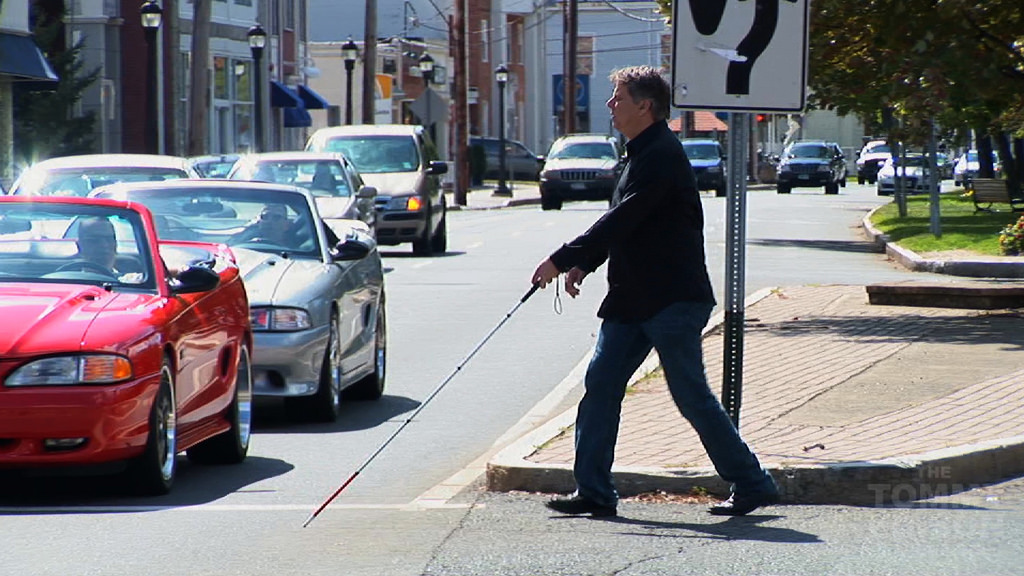
Blindness is one of the most serious medical impairments there is and scientists have been trying to come up with ways to prevent or cure it for centuries. So far, progress has been slow, which is why researchers have begun turning to artificial intelligence to speed up the process. The most recent example in AI-related research into blindness is Microsoft’s launch of a machine learning tool in India.
Based on the data gathered by the World Health Organization, there are over 280 million people in the world who are coping with either complete blindness or vision impairment, Futurism reports. Thanks to advancements in medical technology, there have been many ways that blindness has been prevented or cured in some fashion.
One example of how the next generation of technological breakthrough is helping in this area is Microsoft’s partnership with local medical groups in India in order to launch what’s called Microsoft Intelligent Network for Eyecare (MINE). According to managing director of Microsoft’s R&D division in India, Anil Bhansali the tech company is cooperating with L V Prasad Eye Institute [LVPEI] in order to advance breakthroughs in ophthalmology through machine learning.
“Today, I am happy to take forward the work we have done in healthcare with an esteemed set of partners,” Bhansali said. “In our shared vision to eradicate preventive blindness, MINE will help redefine eyecare by bringing together the power of technology and knowledge of global experts.”
Other groups are involved in the project as well, according to Microsoft’s announcement post. These include divisions from the University of Miami, the University of Rochester, and the Federal University of Sao Paolo in Brazil.
As for what AI tools can do to help with curing blindness, clinics are using Microsoft Azure Machine Learning to help improve the technical capabilities of the physicians, which can then help improve the chances of success during operations or diagnosis. AI have a higher capacity for organizing and understanding huge amounts of data than humans, which makes them perfect for noticing the tiniest details when examining patients.