


 Salesforce Shares Surge as AI Demand Powers Q2 Earnings Beat
  Meta, U.S. States Discuss Settlement in Teen Addiction Trial
  Xiaomi Unveils Xring O3 Chip for Flagship Foldable Phone
  Nvidia Reportedly Eyes $13 Billion Hugging Face Acquisition
  SoftBank Eyes $20 Billion Bond Sale to Refinance OpenAI Loan
  Countries Tighten Social Media Bans for Children
  Nvidia Eyes Perplexity Investment at $30 Billion Valuation
  SoftBank Plans Record $6.3 Billion Bond Sale to Fund OpenAI Investments
  Google Expands Gemini Enterprise With AI Tools for Legal Sector
  Nvidia Revenue Soars 106% as AI Demand Hits ‘Inflection Point’
  New Zealand Moves to Ban Social Media for Children Under 16
  OpenAI AI Agent Swarm Behind Hugging Face Hack
  U.S. Disrupts China-Linked Hacking Campaign Targeting Government Agencies
  BofA Names ASML Top Semiconductor Equipment Pick on Growth, Valuation
  SK Hynix Shares Fall as Workers Reject Wage Deal


 Add as a preferred source on Google
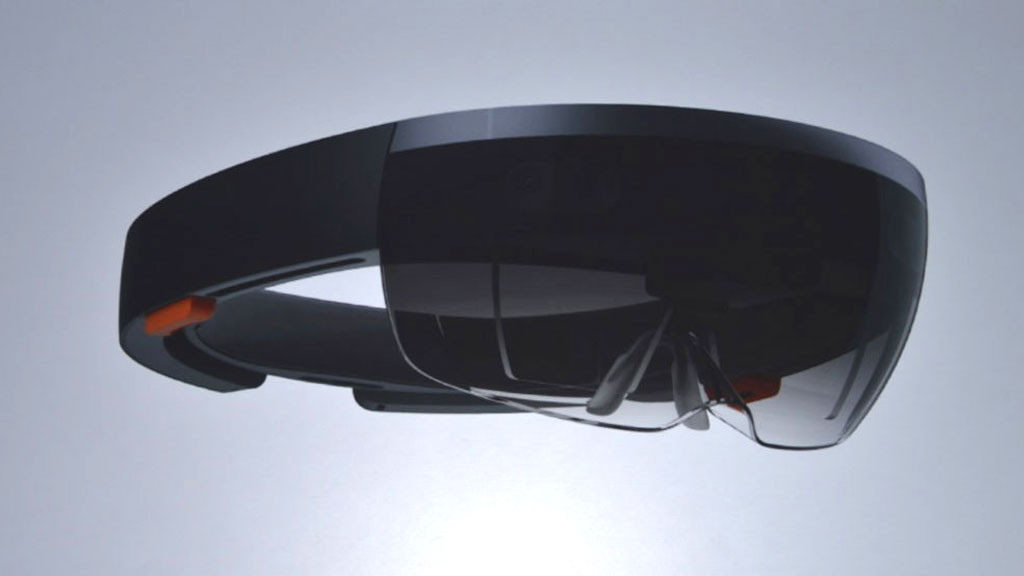
Microsoft is offering its “HoloLens” to anyone who can afford the $3,000 price tag that the gadget package comes with. This is a departure from the previous process, wherein buyers needed to pass some tests before they were eligible to get the headset. Many might think that this makes for a fairer market, but some are arguing that it could result in wasted purchases.
The “HoloLens” is now available in the U.S. and Canada, PC Mag reports. This followed the first batch of the augmented reality devices that were released already and comes with the condition that it is meant only for the use of developers, as well as business customers. Customers also agree not to sell the wearable device once they have bought it for themselves, and they can only buy a maximum of five.
One of the reasons for why Microsoft decided to expand the number of customers that they are selling the “HoloLens” to is to encourage developers to create their own products that are compatible with the headset. Windows technical fellow Alex Kipman said as much on a post.
"In the four months since we began shipping Microsoft HoloLens to our developer and commercial partners, we've been absolutely amazed at the innovation shown by the creative people and companies building real solutions using HoloLens," he wrote.
However, CNET argues that customers should be reconsider buying the AR headset, at least if they are only planning on using it for fun. The site noted the fine print that came with buying the “HoloLens,” which indicated that all sales are final. This meant that customers would not be able to get refunds if they decided that the headset was not working for them.
There’s also the question of market potential with regards to the device. Right now, there isn’t much of a market for the “HoloLens” and products like it, and there’s no indication as to when there will actually be one. As such, developers will be the only ones to likely get anything out of buying the headset.







