


 Elon Musk Confirms SpaceX, xAI, and Tesla Will Continue Large-Scale Nvidia Chip Orders
  Golden Dome Missile Defense: Anduril and Palantir Join Forces on Trump's $185B Space Shield
  Microsoft Eyes Legal Action as Amazon-OpenAI Deal Threatens Azure Exclusivity
  Amazon's AWS Could Hit $600 Billion in Revenue as AI Reshapes Cloud Growth
  Cyberattack on Stryker Triggers U.S. Government Warning Over Microsoft Intune Security
  NVIDIA Resumes China AI Chip Production Amid $1 Trillion Revenue Forecast
  Jeff Bezos Eyes $100 Billion Fund to Transform Manufacturing With AI
  Alibaba Bets on AI Agents to Unify Its Vast Digital Ecosystem
  Nintendo Switch 2 Production Cut as Holiday Sales Miss Targets
  Palantir's Maven AI Earns Pentagon "Program of Record" Status, Reshaping Military AI Strategy
  Elliott Investment Management Takes Multibillion-Dollar Stake in Synopsys
  Nvidia Develops Groq AI Chips for Chinese Market Amid Export Shift
  NVIDIA's Feynman AI Chip May Face Redesign Amid TSMC Capacity Crunch
  Amazon's "Transformer" Phone: Can It Succeed Where Fire Phone Failed?
  OpenAI Pulls the Plug on Sora, Ending $1 Billion Disney Partnership
  SpaceX IPO Filing Expected This Week as Valuation Could Surpass $75 Billion


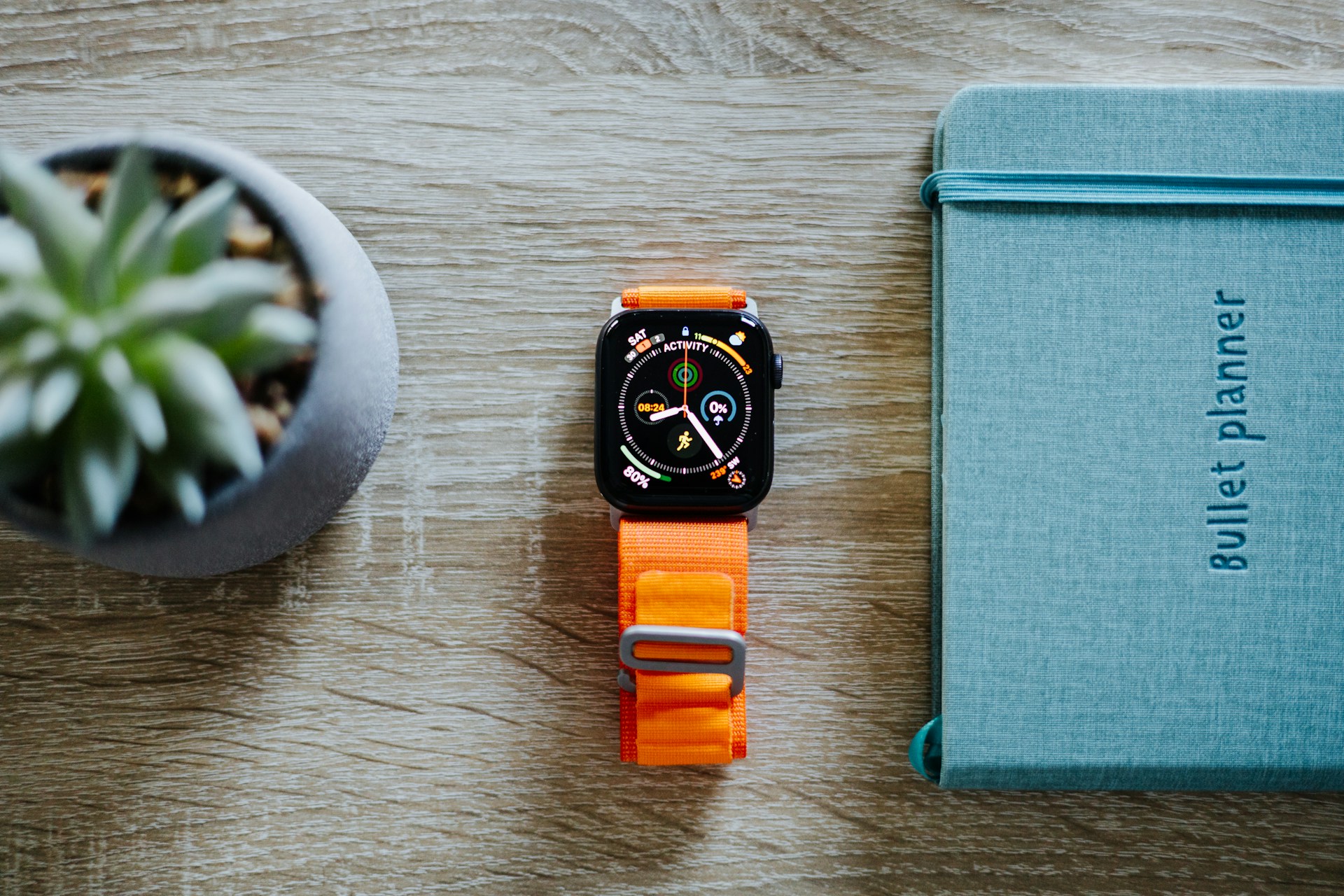
Apple is widely expected to include a microLED display in the Apple Watch Ultra, but a new report from Korea claims that the company may not have the supply chain ready in time to launch the device in 2026.
MicroLED Apple Watch Ultra Could Be Delayed Due to Supply Chain Issues
Last year, Taiwanese research firm TrendForce anticipated that the device would be released in 2026. That is later than several other publications, which have focused on 2025.
However, according to The Elec, high manufacturing costs and production yields remain the most significant impediments to mass production of the microLED Apple Watch Ultra, perhaps delaying its arrival beyond 2026.
Apple has apparently been developing unique microLED display technology for nearly a decade. The upgraded display delivers better brightness, color reproduction, dynamic range, viewing angles, and efficiency, making images look more like they are "painted" above the display glass.
The present Apple Watch Ultra has a display size of 1.93 inches, while the forthcoming microLED variant is rumored to have a 2.12-inch screen. Apple's concern is that the expense of producing a panel with such a high pixel density is still deemed prohibitively expensive for a gadget that now costs $799.
According to the article, simulation yields indicate that a 2.12-inch panel might cost up to $150, four times the cost of making the current OLED display ($38). Consumer sales of items with a panel price of $150 often total roughly $1,500.
For example, $150 is more expensive than making the OLED panels for the 6.1-inch and 6.7-inch iPhone 15, which cost $80 and $120, respectively. In terms of panel cost, the microLED Apple Watch Ultra is currently more expensive than Apple's most premium iPhones. According to today's article, the problem is so serious that releasing the device in 2027 may be unduly optimistic.
Apple's MicroLED Vision: A Bold Leap Towards Self-Reliance and Display Innovation
Apple is believed to be planning to replace all of its existing LCD, OLED, and mini-LED panels with microLED in the long run, with the technology being scaled up from the Apple Watch to the iPhone, iPad, Mac, and Vision Pro headset, as per MacRumors.
The effort is part of Apple's strategy to lessen reliance on Samsung as a supplier while reaping the benefits of developing its own displays in-house. However, until the company can get its component supply chain in order, microLED usage may remain a long way off.
Photo: Ricardo Resende/Unsplash













