


 New York Legalizes Medical Aid in Dying for Terminally Ill Patients
  U.S. to Begin Paying UN Dues as Financial Crisis Spurs Push for Reforms
  U.S. Announces Additional $6 Million in Humanitarian Aid to Cuba Amid Oil Sanctions and Fuel Shortages
  China Warns US Arms Sales to Taiwan Could Disrupt Trump’s Planned Visit
  Norway Opens Corruption Probe Into Former PM and Nobel Committee Chair Thorbjoern Jagland Over Epstein Links
  U.S. Lawmakers to Review Unredacted Jeffrey Epstein DOJ Files Starting Monday
  UAE Plans Temporary Housing Complex for Displaced Palestinians in Southern Gaza
  Newly Released DOJ Epstein Files Expose High-Profile Connections Across Politics and Business
  Trump Endorses Japan’s Sanae Takaichi Ahead of Crucial Election Amid Market and China Tensions
  Marco Rubio Steps Down as Acting U.S. Archivist Amid Federal Law Limits
  U.S. Sanctions on Russia Could Expand as Ukraine Peace Talks Continue, Says Treasury Secretary Bessent
  Trump Signs Executive Order Threatening 25% Tariffs on Countries Trading With Iran
  TrumpRx Website Launches to Offer Discounted Prescription Drugs for Cash-Paying Americans
  Ohio Man Indicted for Alleged Threat Against Vice President JD Vance, Faces Additional Federal Charges
  TrumpRx.gov Highlights GLP-1 Drug Discounts but Offers Limited Savings for Most Americans
  Iran–U.S. Nuclear Talks in Oman Face Major Hurdles Amid Rising Regional Tensions
  South Korea Assures U.S. on Trade Deal Commitments Amid Tariff Concerns


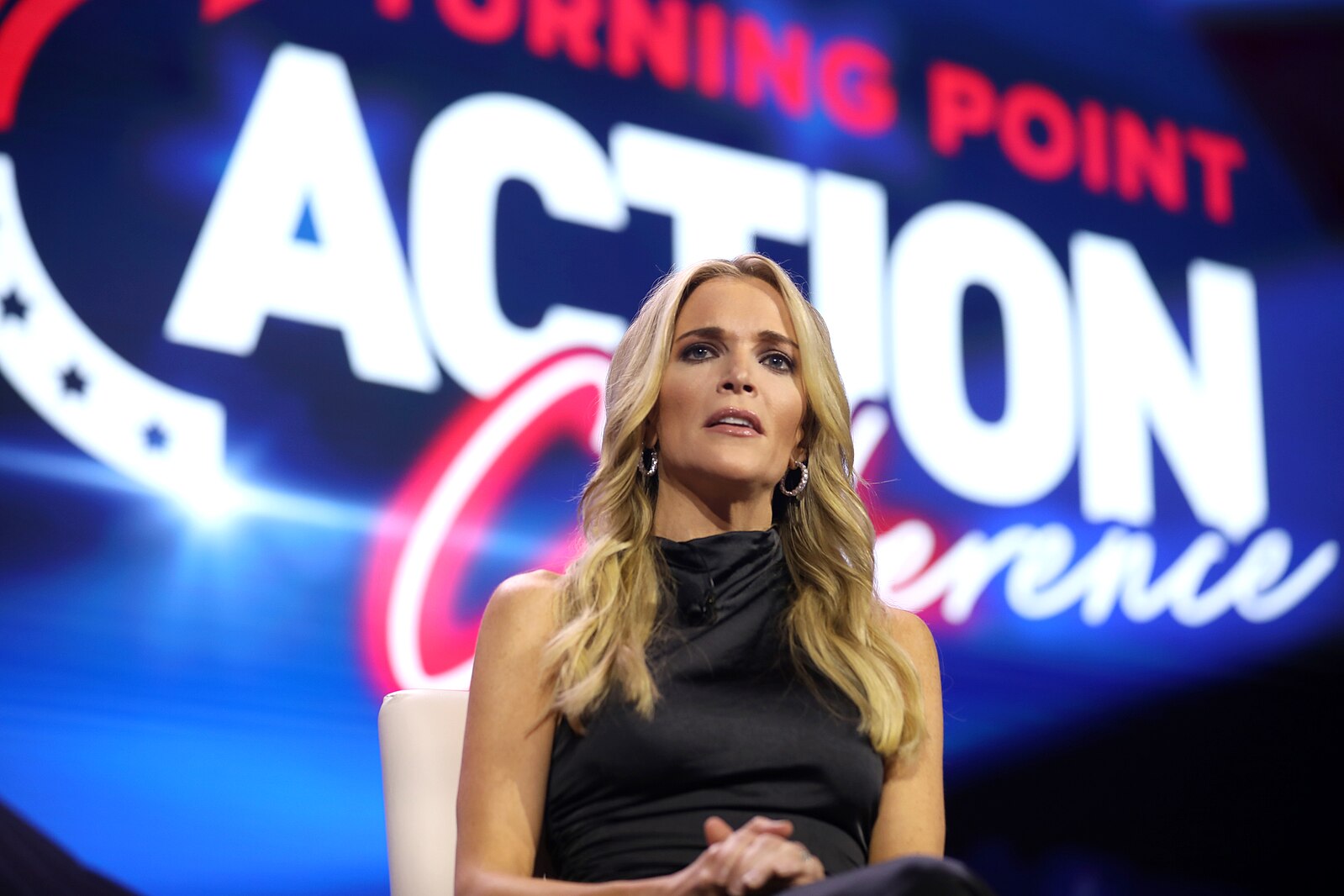
Megyn Kelly, a former Fox News host and now a prominent conservative commentator, found herself at the center of a heated controversy following her remarks during the first night of the Democratic National Convention. The incident has sparked widespread criticism from political experts, journalists, and commentators, who have labeled her comments as racially insensitive, reigniting discussions on the role of race in American discourse.
The uproar began when Kelly took to X, formerly known as Twitter, to comment on a speech by Laphonza Butler, the newly appointed Senator from California who succeeded the late Dianne Feinstein. Butler, like Vice President Kamala Harris, is a graduate of a historically Black college or university (HBCU), a fact she proudly highlighted during her address at the DNC. However, Kelly’s reaction to Butler’s celebration of her HBCU background drew immediate backlash.
Kelly’s post questioned the significance of Butler’s and Harris’s educational backgrounds by drawing an unfounded comparison to predominantly white institutions. Her comment implied that acknowledging one’s HBCU education was analogous to a white person proclaiming pride in attending a majority-white university. This remark was quickly condemned by many as racially insensitive and ignorant of the historical context behind HBCUs.
Prominent journalists and political commentators did not hesitate to voice their disapproval. Longtime journalist Joan Walsh was among the first to criticize Kelly’s statement, suggesting that Kelly’s comment was indicative of a broader misunderstanding or deliberate ignorance of America’s racial history. Other voices, such as The Atlantic’s Norman Ornstein and The Bulwark’s Tim Miller, were even more direct, labeling Kelly’s comment as embarrassing and racist.
The backlash was not limited to media figures. Many pointed out that historically Black colleges and universities were founded out of necessity during a time when African Americans were systematically excluded from existing institutions of higher education. The legacy of HBCUs is deeply intertwined with the fight for civil rights and equal access to education, making Kelly’s remarks particularly offensive to those who understand this history.
The criticism of Kelly’s comments also drew attention to the broader societal issue of racial disparities in education. Many of her detractors emphasized the importance of recognizing and celebrating the achievements of HBCU graduates, particularly in a society where access to education has historically been unequal. They argued that Kelly’s comments reflected a fundamental misunderstanding of why institutions like Jackson State University, attended by Senator Butler, and Howard University, attended by Vice President Harris, are significant not just for their alumni, but for the progress they represent in the ongoing struggle for racial equality.
The National Museum of African American History and Culture and the Thurgood Marshall College Fund have long highlighted the vital role that HBCUs play in providing educational opportunities for African Americans who were once legally denied access to education. Kelly’s remarks, seen as dismissive of this legacy, have further ignited conversations about the importance of understanding and respecting the historical contexts that shape American society.
As the backlash against Kelly continues to unfold, it underscores the ongoing challenges of navigating discussions on race in America. Her comments have not only sparked a significant controversy but also serve as a reminder of the deep-seated issues that still permeate public discourse on race, education, and history.













