


 Pi Network Price Holds $0.087 as Protocol 28 Mainnet Upgrade Nears
  Nissan Targets US Hybrid Growth With Rogue e-Power Launch
  Nidec Shares Plunge on Report of $6.3 Billion Impairment Charge
  DaVoice Sues Perplexity AI Over Trade Secrets
  Robinhood Chain Token Ring Allegedly Extracts $18.4 Million Across 53 Launches
  Judge Blocks Trump Rule Limiting Foreign Student Visas
  US Judge Dismisses Imran Ahmed Deportation Lawsuit
  Venezuela Nears Deal to Move $4 Billion in Gold to New York Fed
  US Backs Musk in Fight Against EU’s €120 Million X Fine
  Najib Razak Granted House Arrest Until 2028
  Europe’s AI Data Centre Boom Strengthens Case for Nuclear Power
  TikTok Reaches $100 Million Alabama Settlement Over Child Safety Claims
  Vitalik Buterin Says Hegota Could Be Ethereum’s Last Conventional Fork
  US Court Approves airBaltic Chapter 11 Restructuring
  Rodrigo Duterte Makes First Public Appearance at ICC in 18 Months
  TSMC Accelerates 2nm Expansion as AI Chip Demand Surges
  Paramount Skydance Faces $30 Million Film Penalty in Warner Bros. Deal


 Add as a preferred source on Google
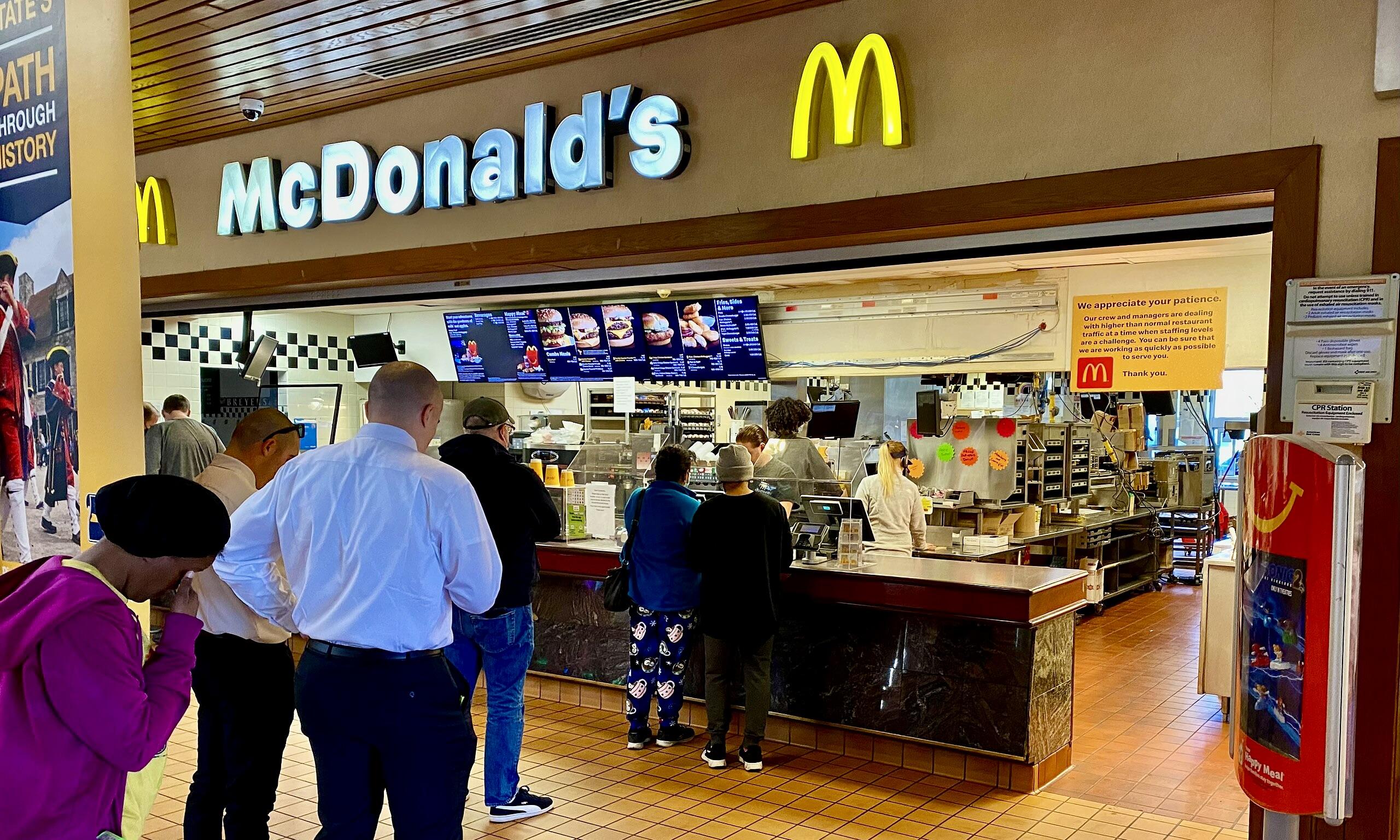
McDonald's has requested a hearing from the U.S. Supreme Court to establish whether franchises can enforce rules against hiring employees from other franchisors within the same chain. The company submitted the appeal on November 21, signaling its intent to address this contentious issue.
It's noteworthy that McDonald's, the global fast-food giant with over 2 million workers across approximately 40,000 franchised restaurants, recently discontinued its no-poach rule in franchise agreements.
Federal Courts Weigh In
In a pivotal case with significant implications for the franchise industry, McDonald's franchise operators were previously bound by a no-poach clause. This agreement prevented hiring another franchisor's employees or those employed directly by McDonald's within six months following the employee's departure from either entity. Additionally, franchisees were prohibited from soliciting employees from other franchises under a separate clause.
The legal battle surrounding these no-poach agreements has gone through the federal court system. In June 2022, a federal district court rejected employees' argument that the no-poach rule violated the Sherman Antitrust Act. However, in a significant turn of events, the 7th U.S. Circuit Court of Appeals determined that the lower court had prematurely dismissed the case in August 2023. The judgment was vacated, and the case was remanded for further proceedings.
SHRM reported that the 7th Circuit's decision raises the bar on proving the ancillary nature of such restraints, making it more challenging for companies to defend their usage. Although the court did not explicitly declare McDonald's no-hire provisions as non-ancillary restraints, a comprehensive economic analysis must now be conducted to establish their qualification as such, as per Restaurant Dive.
One notable instance that propelled the no-poach issue into the spotlight occurred in 2017 when a McDonald's manager filed a class-action antitrust suit against the corporation. She detailed how restrictive anti-poaching agreements prohibited her from accepting a higher-paid job at another McDonald's franchise. McDonald's has claimed that these agreements were crucial for preventing the loss of training costs, maintaining consistency and quality, and curbing the poaching of employees by franchisees.
Implications for HR Professionals
The U.S. Department of Justice showcased their emphasis on this matter with the release of guidance for HR professionals in 2016. Within this document, the agency dedicated nine mentions to no-poach agreements, signaling its prioritization of addressing this concern. The forthcoming Supreme Court decision will likely bring HR practices around no-poach agreements under greater scrutiny and clarify their legality.








