


 Anthropic Sues Pentagon Over AI Blacklist, Citing Free Speech Violations
  Trump Doubts Iran Mining Reports as Strait of Hormuz Tensions Escalate
  Trump Hints at Possible U.S. Takeover of Cuba Amid Deepening Humanitarian Crisis
  U.S. Patriot Missiles Redeployed From South Korea Amid Middle East Conflict
  Iran Mines Strait of Hormuz: Crude Oil Prices Surge Amid Middle East Tensions
  Bipartisan Housing Bill Advances in Senate, Aims to Tackle U.S. Affordability Crisis
  After the Iran war, Persian Gulf nations face tough decisions on the US – a former diplomat explains
  Iran-Israel War Sparks Global Oil Crisis as Tankers Burn in Gulf Waters
  Boeing Secures $289 Million Smart Bomb Contract With Israel
  U.S.-Israel War on Iran Sends Crude Oil Prices Surging Amid Strait of Hormuz Tensions
  U.S. Senate Greenlights AI Chatbots for Official Staff Use
  FBI Warns of Possible Iranian Drone Attacks on California Amid U.S.-Iran War
  Israel-Iran War: Herzog Urges Patience as U.S. and Israeli Strikes Intensify
  Mexico's Electoral Reform Bill Fails in Congress as Coalition Fractures
  Trump Administration Launches Trade Investigations Against 16 Countries Over Industrial Overcapacity
  Trump Administration Spent $5.6 Billion in Munitions in Opening Days of Iran Strikes


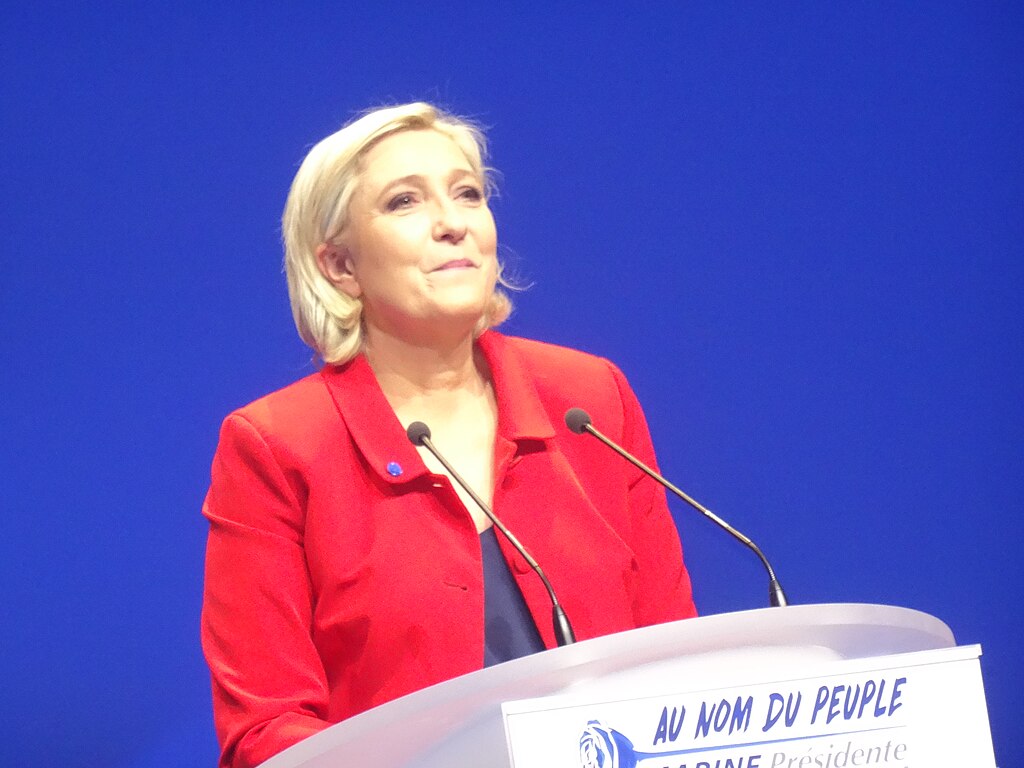
Marine Le Pen, the prominent leader of France’s far-right National Rally (RN), has begun a decisive appeal in Paris that could determine whether she is eligible to run in the 2027 French presidential election. The legal battle follows her conviction last year for misusing European Union funds, a ruling that resulted in a five-year ban from holding public office, effective immediately.
Le Pen had been widely viewed as a leading contender for the 2027 race before the conviction. French judges found her guilty of misappropriating more than 4 million euros in EU funds by using money intended for European Parliament staff to pay individuals who were, in practice, working for her party. Alongside Le Pen, the RN party and several co-defendants were also convicted. The appeal hearing, which began this week, is scheduled to conclude on February 12, with a final ruling expected before the summer.
The outcome is politically significant. If the court overturns or substantially reduces the ban, Le Pen’s path to the 2027 election would reopen. If not, she has indicated that RN party president Jordan Bardella, a rising figure in French far-right politics, would run in her place. Recent opinion polls suggest Bardella could be a strong candidate, potentially winning a second-round runoff regardless of his opponent.
Le Pen has denounced the ban as politically motivated, arguing that the judiciary is undermining democracy, rhetoric that mirrors claims often heard in U.S. political discourse. The judges, however, said the immediate ban was necessary to prevent harm to democratic public order, a decision supported by a majority of French voters according to polling data.
The case has drawn international attention, particularly from the United States. Former President Donald Trump and members of his team voiced support for Le Pen after her conviction, and reports of possible U.S. sanctions against French judicial figures sparked diplomatic concern, though U.S. officials later denied such plans.
As France watches closely, the appeal is shaping up to be a defining moment not only for Marine Le Pen’s political future, but also for the direction of the French far-right movement ahead of the 2027 presidential election.













