


 Trump-Putin Call Addresses Iran War, Ukraine Peace, and Global Oil Crisis
  Iran-Israel War Sparks Global Oil Crisis as Tankers Burn in Gulf Waters
  U.S. Calls for Reassessment of International Aid to Taliban-Ruled Afghanistan
  U.S. Patriot Missiles Redeployed From South Korea Amid Middle East Conflict
  Taiwan's MQ-9B SkyGuardian Drone Order Stays on Schedule Despite Middle East Conflict
  U.S. and Russia Hold Diplomatic Talks in Florida Amid Ongoing Tensions
  Japan's BOJ Independence Under Fire as PM Takaichi's Rate Stance Draws Political Heat
  Bipartisan Housing Bill Advances in Senate, Aims to Tackle U.S. Affordability Crisis
  Shots Fired at U.S. Consulate in Toronto in Suspected National Security Incident
  Trump Administration Launches Trade Investigations Against 16 Countries Over Industrial Overcapacity
  FBI Warns of Possible Iranian Drone Attacks on California Amid U.S.-Iran War
  Iran's Government Remains Stable Despite U.S. and Israeli Strikes, Intelligence Shows
  Russian Drone Strikes Hit Kharkiv and Dnipro, Injuring Over 20 Civilians
  Trump Administration Spent $5.6 Billion in Munitions in Opening Days of Iran Strikes
  Iran Mines Strait of Hormuz: Crude Oil Prices Surge Amid Middle East Tensions
  Anthropic Sues Pentagon Over AI Blacklist, Citing Free Speech Violations
  Ukraine Strikes Russian Missile Component Factory in Bryansk Using British Weapons


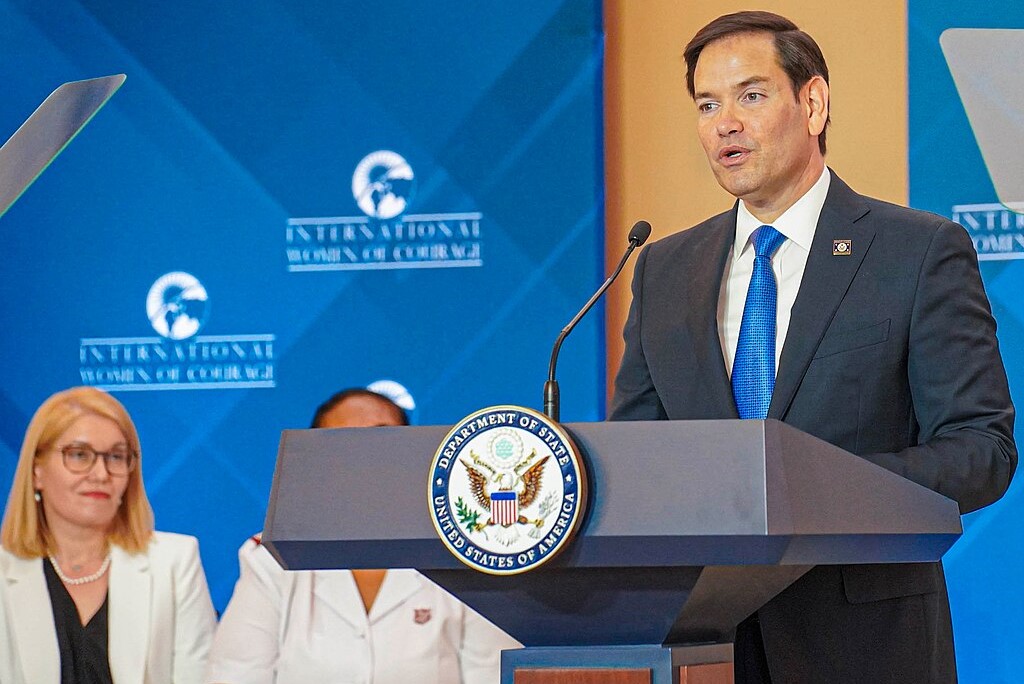
U.S. Secretary of State Marco Rubio will brief leaders of the U.S. Senate and the House of Representatives at 4:00 p.m. ET on Monday, according to his public schedule. The congressional briefing comes after joint U.S.-Israeli strikes on Iran, a development that has intensified geopolitical tensions and drawn widespread international attention.
The closed-door meeting is expected to provide lawmakers with details about the coordinated military operation, including its objectives, scope, and potential consequences for U.S. national security and Middle East stability. Congressional leaders are likely to seek clarity on the intelligence assessments behind the strikes, the risk of Iranian retaliation, and the broader diplomatic strategy moving forward.
The joint U.S.-Israeli military action marks a significant escalation in ongoing tensions involving Iran and regional actors. While full operational specifics have not been publicly disclosed, reports indicate that the strikes targeted strategic assets linked to Iran’s military infrastructure. The situation has prompted renewed debate in Washington over the use of military force, executive authority, and Congress’ oversight role in matters of war powers.
Rubio’s briefing underscores the importance of coordination between the executive branch and congressional leadership during periods of heightened international conflict. Lawmakers are expected to assess the potential regional fallout, including the impact on U.S. allies, global oil markets, and broader economic stability.
Foreign policy analysts are closely monitoring developments as tensions between the United States, Israel, and Iran evolve. Any sustained escalation could influence energy prices, security dynamics in the Middle East, and diplomatic relations with key global partners.
As the situation unfolds, Rubio’s scheduled address to Senate and House leaders signals a critical step in keeping Congress informed and shaping the United States’ response to rapidly changing security conditions.













