


 Gold Prices Climb as Middle East Ceasefire Talks Stir Market Optimism
  Bank of Japan Officials Signal Continued Interest Rate Hikes Amid Inflation Concerns
  Suspicious Oil Market Trades Precede Trump's Iran Peace Post by 15 Minutes
  Bank of Japan Eyes April Rate Hike Despite Inflation Dip, ING Says
  UK Consumer Confidence Weakens Amid Middle East Conflict and Rising Living Costs
  Currency Markets Show Caution Amid U.S.-Iran Negotiations
  U.S. Stock Futures Steady as Iran Reviews U.S. Ceasefire Proposal
  WTO Reform Talks Begin in Cameroon Amid Global Trade Tensions
  U.S. Oil Prices Slide as Middle East Ceasefire Talks Spark Market Optimism
  Australia's Inflation Eases in February but Core Pressures Persist
  Trump Tariffs Show Minimal Economic Impact but Boost Federal Revenue, Study Finds
  Japan Eyes Oil Futures Intervention to Stabilize Yen Amid Middle East Crisis
  Australia-EU Free Trade Deal Signed After Years of Negotiations
  Middle East War Rattles Global Markets as Oil Tops $100 and Dollar Surges
  U.S. Dollar Weakens as Trump Signals Iran Deal Possibility
  Asian Currencies Weaken as Dollar Rebounds Amid Middle East Uncertainty and Japan Inflation Data


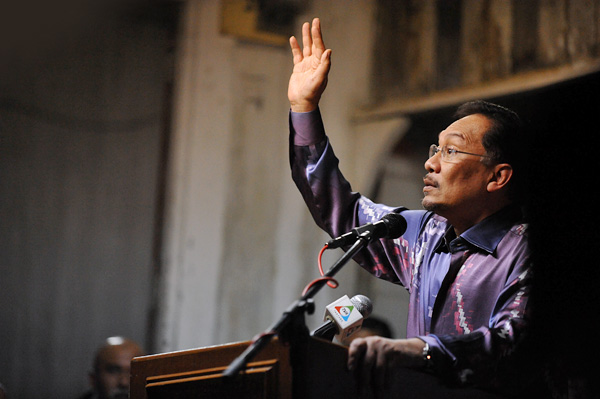
Malaysia is expected to increase spending on public subsidies and social assistance in its 2026 national budget as the government seeks to ease the burden of rising living costs while maintaining fiscal discipline. Economists project that Prime Minister and Finance Minister Anwar Ibrahim’s upcoming budget announcement on Friday will focus on balancing social welfare priorities with long-term economic and fiscal goals.
Analysts suggest Anwar is unlikely to introduce new broad-based taxes, instead possibly raising excise duties on alcohol and tobacco, and outlining details of a proposed carbon tax. Malaysia has already taken steps to enhance revenue through an expanded sales and services tax and targeted fuel subsidy reforms.
Economists at CGS International noted that Malaysia’s fiscal consolidation progress has been steady, reducing the likelihood of major tax changes. However, they warned that revenue growth may slow next year due to lower dividends from Petronas, the state energy giant, which is expected to contribute RM20–25 billion in 2026, down from RM32 billion this year, as global oil prices soften.
Despite this, total government spending could rise to RM430 billion, up from this year’s record RM421 billion, with higher allocations for subsidies, social programs, and public services. UOB economists anticipate Malaysia’s economy will grow 4% in 2025, rising slightly to 4.5% in 2026. Trade uncertainties, including a recent 19% U.S. tariff on Malaysian exports, remain a key downside risk.
The 2026 fiscal deficit is forecast to narrow to between 3.4% and 3.6% of GDP from an estimated 3.8% this year, reflecting the government’s continued push toward fiscal sustainability while prioritizing inclusive growth and social protection.













