


 Genesis Minerals to Acquire Vault in A$5.6 Billion Deal After Regis Withdraws
  OpenAI Executive Fidji Simo to Step Down Amid Health Challenges Ahead of IPO
  Australia Flags Child Safety Gaps at Apple, Meta, Google Over Online Sexual Extortion
  UBS Starts CarTrade Tech With Buy Rating, Sees Strong Earnings Growth and ₹4,000 Target
  Levi Strauss Raises 2026 Outlook After Q2 Earnings Beat, Shares Drop Despite Strong Results
  Kitron Q2 Revenue Beats Estimates as Defense Demand Lifts Growth
  Paramount-Warner Bros. Discovery Merger Faces Lawsuit From 12 States
  Mastercard Explores Sale of Majority Stake in UK Payments Firm Vocalink: Report
  Nippon Paint Reportedly Offers Up to €7.5 Billion for Akzo Nobel Decorative Paints Business
  Goldman AM Sees Strong Buyout Opportunities in Japan, South Korea and Australia
  Stellantis Q2 Vehicle Shipments Rise 10% as North America Drives Growth
  Apple Sues OpenAI, Former Employees Over Alleged Trade Secret Theft
  SK Hynix Shares Drop After Strong Nasdaq Debut Despite $26 Billion ADR Listing
  AstraZeneca Shares Sink After Wainua Trial Misses Key Heart Disease Goal
  DOJ Grand Jury Investigates UAW President Shawn Fain Ahead of Union Election
  SK Hynix Soars 13% in Nasdaq Debut After Record $26.5 Billion IPO
  Yaskawa Electric Shares Slide as Weak Profit Overshadows Strong AI Demand


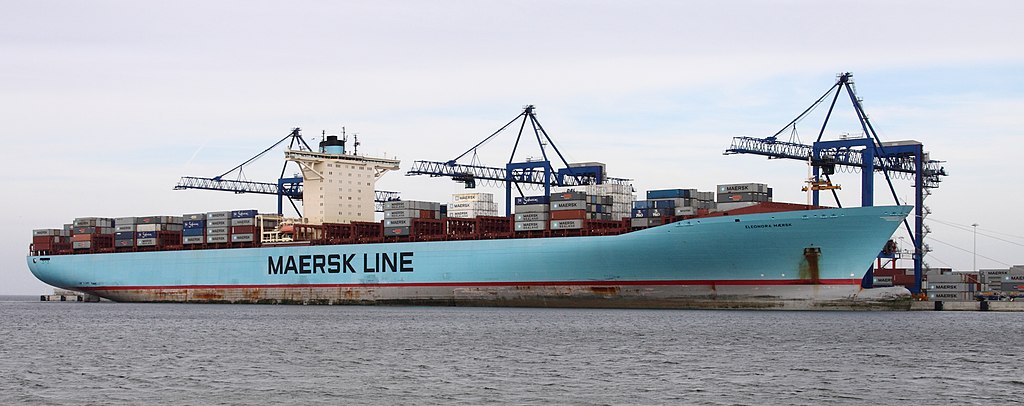
Danish shipping giant Maersk announced on Friday that one of its container vessels has successfully navigated the Red Sea and the Bab el-Mandeb Strait for the first time in nearly two years, marking a cautious milestone for global shipping routes disrupted by regional conflict. Despite the successful transit, Maersk emphasized that it currently has no plans to fully reopen the critical trans-Suez shipping corridor for its broader East-West network.
According to a statement from the company, the vessel Maersk Sebarok completed the journey through the Red Sea on Thursday and Friday. The move comes after Maersk and other major shipping companies began diverting vessels away from the Red Sea and Gulf of Aden in January 2024. These diversions routed ships around the Cape of Good Hope, significantly increasing transit times and costs, following repeated attacks on commercial shipping by Yemen’s Houthi militants. The attacks were carried out in what the group described as solidarity with Palestinians amid the ongoing Gaza conflict.
Maersk described the latest voyage as a “significant step forward” but stressed that the security situation in the region remains unstable. The company stated that the successful passage should not be interpreted as a signal that normal shipping operations through the Red Sea and Suez Canal will resume in the near future. Instead, Maersk said it is evaluating a “stepwise approach” toward potentially resuming transits, depending on evolving security assessments and risk conditions.
At present, Maersk confirmed that there are no additional Red Sea sailings planned. The company continues to prioritize crew safety and cargo security, key considerations that have shaped its operational decisions over the past year. The Red Sea is one of the world’s most important maritime trade routes, connecting Europe and Asia, and disruptions have had a wide-ranging impact on global supply chains, freight rates, and delivery timelines.
While the successful transit offers cautious optimism for the shipping industry, Maersk’s stance underscores that a full return to the Red Sea route remains unlikely until long-term stability and safety can be assured.







