


 Pakistan's Diplomatic Rise: Mediating U.S.-Iran Peace Talks
  Denmark Election 2026: Frederiksen Eyes Third Term Amid Trump-Greenland Tensions
  Iran-Israel Missile Strikes Continue Amid Mixed Signals on U.S.-Iran Diplomacy
  G7 Foreign Ministers Gather in France Amid Global Tensions and U.S. Policy Uncertainty
  Trump Says Iran Offered Major Energy Concession Amid Ongoing Negotiations
  Trump Backs Down on Iran Strikes After Gulf Allies Sound the Alarm
  Trump's Overhaul of American History: Museums, Monuments, and Cultural Institutions
  Trump Administration Settles Lawsuit Barring Federal Agencies from Pressuring Social Media Censorship
  Iran Demands Lebanon Be Part of Any Ceasefire Deal With Israel and the U.S.
  Iran-U.S. Negotiations: Tehran Reviews American Peace Proposal Amid Ongoing Gulf Conflict
  Kristi Noem Ends Western Hemisphere Tour in Diminished Role After DHS Firing
  Trump Votes by Mail Despite Calling It "Cheating" as Democrat Wins Mar-a-Lago District
  Russia-Iran Military Alliance Deepens With Drone Shipments Amid Middle East Tensions
  FEMA Reinstates $1 Billion Disaster Prevention Grant Program After Court Order
  Trump Seeks Quick End to U.S.-Iran Conflict Amid Ongoing Middle East Tensions
  Russia Strikes Kharkiv and Izmail as Cross-Border Drone War Escalates
  U.S. Deploys Elite 82nd Airborne Troops to Middle East Amid Iran Tensions


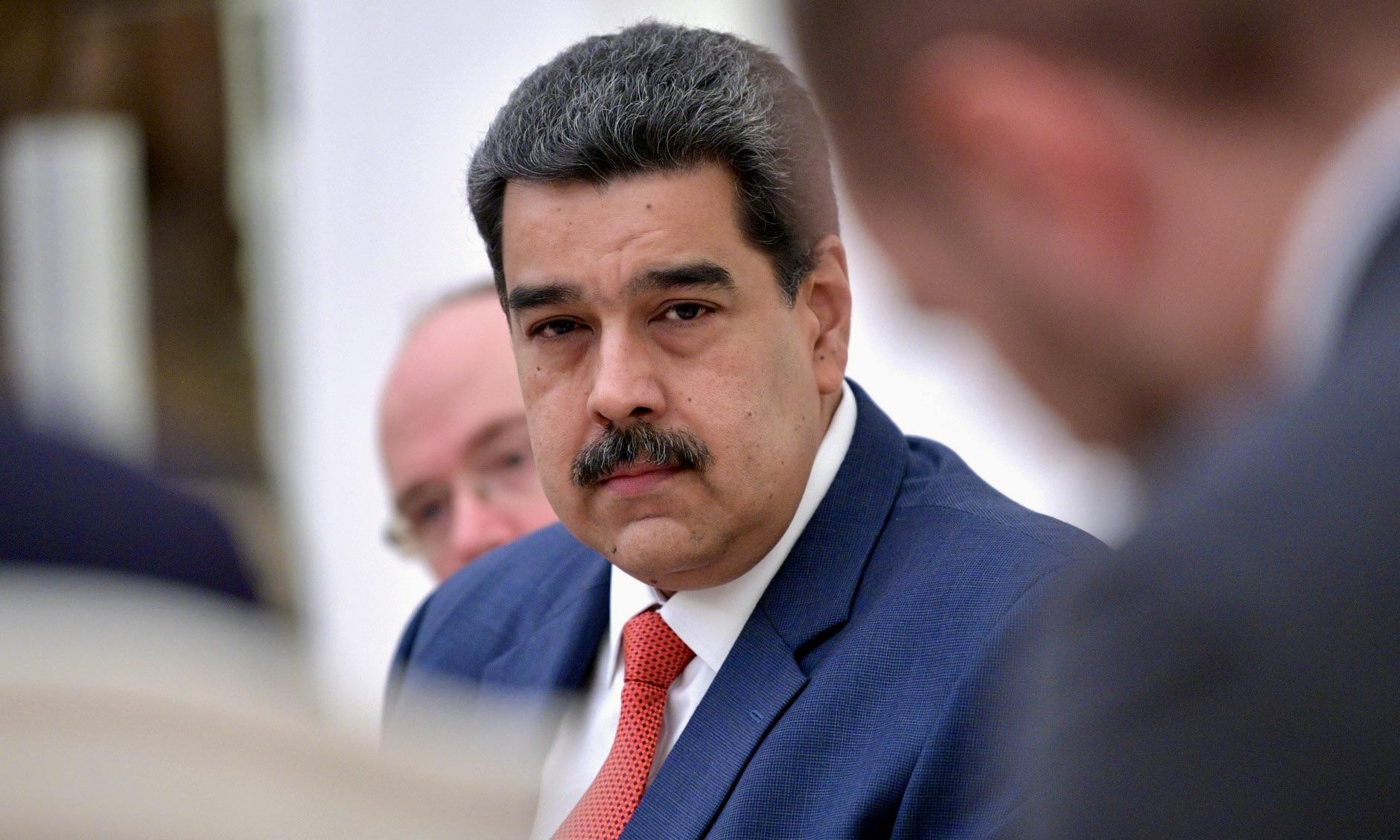
Venezuelan President Nicolás Maduro has confirmed that he held what he described as a “respectful and cordial” phone conversation with U.S. President Donald Trump roughly ten days ago, raising new speculation about a possible thaw in long-tense relations between Washington and Caracas. Speaking during a televised broadcast, Maduro said he welcomed any opportunity for “respectful dialogue” and emphasized that diplomatic engagement would be a positive step for both nations after years of political friction and escalating sanctions.
The confirmation follows a Reuters report citing multiple sources familiar with the call, claiming that Maduro privately expressed willingness to step down from power under specific conditions. According to the report, he requested full legal amnesty for himself and his family, the removal of U.S. sanctions, and the dismissal of an International Criminal Court case tied to accusations against his government. Although neither the White House nor Maduro’s administration has publicly detailed the content of the discussion, the alleged proposal has intensified international interest in Venezuela’s political future.
The phone call comes amid months of increased U.S. pressure that has included sanctions targeting key officials, accusations of narcotics trafficking, and even threats of military intervention. The United States recently reinforced its stance by designating the Cartel de los Soles—an alleged Venezuela-linked drug-trafficking network—as a foreign terrorist organization. These measures have deepened Venezuela’s diplomatic isolation and contributed to a worsening economic climate.
Maduro’s acknowledgment of the conversation with Trump is being viewed by analysts as a potentially significant moment, suggesting that despite harsh rhetoric on both sides, communication channels remain open. Whether the call leads to meaningful negotiations or political transition remains uncertain, but the development has renewed global attention on efforts to resolve Venezuela’s long-running crisis through diplomacy rather than confrontation.













