


 South Korea’s Weak Won Struggles as Retail Investors Pour Money Into U.S. Stocks
  Gold Prices Slide Below $5,000 as Strong Dollar and Central Bank Outlook Weigh on Metals
  Bank of Japan Signals Readiness for Near-Term Rate Hike as Inflation Nears Target
  Oil Prices Slide on US-Iran Talks, Dollar Strength and Profit-Taking Pressure
  Trump Signs Executive Order Threatening 25% Tariffs on Countries Trading With Iran
  Gold and Silver Prices Rebound After Volatile Week Triggered by Fed Nomination
  Asian Stocks Slip as Tech Rout Deepens, Japan Steadies Ahead of Election
  India–U.S. Interim Trade Pact Cuts Auto Tariffs but Leaves Tesla Out
  Japanese Pharmaceutical Stocks Slide as TrumpRx.gov Launch Sparks Market Concerns
  Thailand Inflation Remains Negative for 10th Straight Month in January
  U.S. Stock Futures Slide as Tech Rout Deepens on Amazon Capex Shock
  Russian Stocks End Mixed as MOEX Index Closes Flat Amid Commodity Strength
  Singapore Budget 2026 Set for Fiscal Prudence as Growth Remains Resilient
  Fed Governor Lisa Cook Warns Inflation Risks Remain as Rates Stay Steady
  Global Markets Slide as AI, Crypto, and Precious Metals Face Heightened Volatility
  China Extends Gold Buying Streak as Reserves Surge Despite Volatile Prices


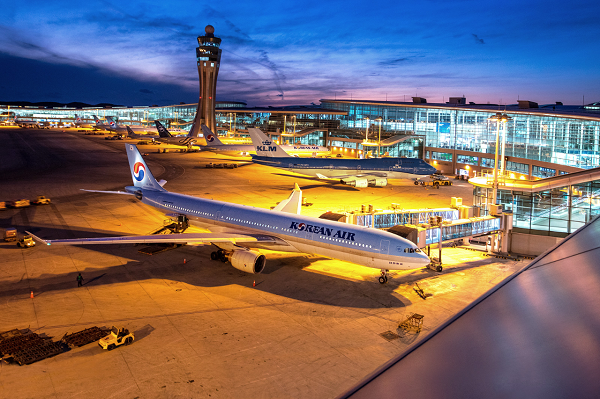
Korean Air will remain to be in a financially precarious position despite the 1.2 trillion won liquidity support from the South Korean government.
This is due to the 1 trillion won of debt it has to pay within the year out of its total borrowings of 3 trillion won.
It also needs to pay a lease fee of 1.7 trillion won this year, on top of the annual fixed costs of 400 billion won to 500 billion won that it is hard-pressed to cover.
Among the liquidity support it is scheduled to receive from Korea Development Bank (KDB) and the Export-Import Bank of Korea are 200 billion won in operating funds.
The banks will also purchase 700 billion won worth of the airline's asset-backed securities, and 300 billion won worth of its permanent bonds.
Additionally, KDB and the Export-Import Bank will also help the airline refund 200 billion won of maturing corporate bonds worth and acquire 200 billion won of corporate bonds worth, which matures in the second half of 2020.
However, industry analysts say that this support is not enough to help Korean Air last for more than three months.
The good news is that if the coronavirus crisis subsides in the second half, the airline will have an excellent chance to escape from its liquidity crisis.













