


 Mexico's Electoral Reform Bill Fails in Congress as Coalition Fractures
  Trump-Putin Call Addresses Iran War, Ukraine Peace, and Global Oil Crisis
  Anthropic Sues Pentagon Over AI Blacklist, Citing Free Speech Violations
  Trump Administration Spent $5.6 Billion in Munitions in Opening Days of Iran Strikes
  Iran-Israel War Sparks Global Oil Crisis as Tankers Burn in Gulf Waters
  Taiwan's MQ-9B SkyGuardian Drone Order Stays on Schedule Despite Middle East Conflict
  U.S. Calls for Reassessment of International Aid to Taliban-Ruled Afghanistan
  Russian Drone Strikes Hit Kharkiv and Dnipro, Injuring Over 20 Civilians
  Trump Doubts Iran Mining Reports as Strait of Hormuz Tensions Escalate
  After the Iran war, Persian Gulf nations face tough decisions on the US – a former diplomat explains
  Iran-U.S. Oil Tensions Escalate as Revolutionary Guards Threaten Strait of Hormuz Blockade
  U.S. Senate Greenlights AI Chatbots for Official Staff Use
  Ukraine Strikes Russian Missile Component Factory in Bryansk Using British Weapons
  Shots Fired at U.S. Consulate in Toronto in Suspected National Security Incident
  IEA Releases Record 400 Million Barrels of Oil Amid U.S.-Iran War
  Boeing Secures $289 Million Smart Bomb Contract With Israel
  Israel-Iran War: Herzog Urges Patience as U.S. and Israeli Strikes Intensify


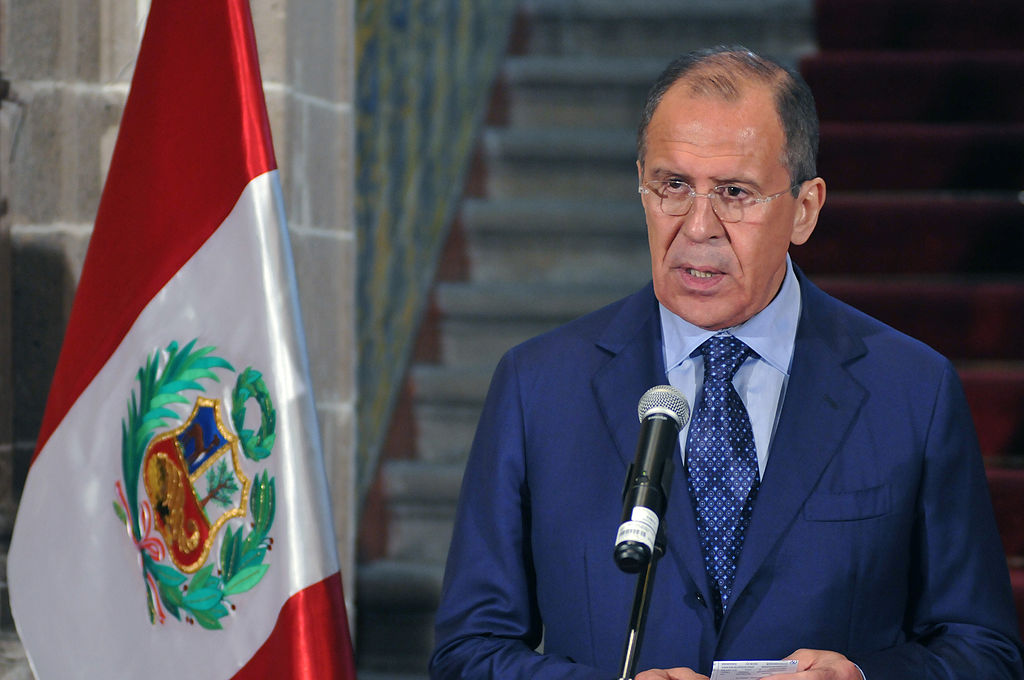
Russian Foreign Minister Sergei Lavrov has warned that any new U.S. strike on Iran would trigger serious consequences and further destabilize the Middle East. In an interview aired by Saudi Arabia’s Al-Arabiya television and later published on the Russian Foreign Ministry’s website, Lavrov urged restraint and emphasized the need for a diplomatic solution to safeguard Iran’s peaceful nuclear programme.
His remarks came shortly after U.S. and Iranian negotiators held indirect talks in Geneva aimed at preventing a deepening crisis between Washington and Tehran. Lavrov noted that previous strikes on Iranian nuclear facilities, which are monitored by the International Atomic Energy Agency (IAEA), had already created significant risks. According to him, such actions raised the possibility of a nuclear incident, escalating tensions across the region.
Lavrov stressed that Middle Eastern nations, including Arab countries and Gulf monarchies, are closely watching developments. He said regional powers have clearly signaled their opposition to further escalation, warning that increasing tensions would amount to “playing with fire.” He added that renewed conflict could reverse recent diplomatic progress, particularly the improvement in relations between Iran and neighboring states such as Saudi Arabia.
Meanwhile, a senior U.S. official told Reuters that Iran is expected to submit a written proposal outlining steps to resolve its ongoing standoff with the United States following the Geneva discussions. U.S. national security advisers reportedly met at the White House and were informed that American military forces deployed to the region should be fully positioned by mid-March.
The United States continues to demand that Iran abandon its nuclear programme, alleging concerns about potential nuclear weapons development. Tehran has consistently denied seeking an atomic weapon and insists its nuclear activities are for peaceful purposes only.
Lavrov reaffirmed that Russia maintains close contact with Iranian leadership and believes Iran intends to resolve the dispute within the framework of the Nuclear Non-Proliferation Treaty (NPT), supporting a diplomatic path forward over military confrontation.













