


 Iran-Israel War Sparks Global Oil Crisis as Tankers Burn in Gulf Waters
  Iran's Government Remains Stable Despite U.S. and Israeli Strikes, Intelligence Shows
  Russian Drone Strikes Hit Kharkiv and Dnipro, Injuring Over 20 Civilians
  Trump Hints at Possible U.S. Takeover of Cuba Amid Deepening Humanitarian Crisis
  Iran Mines Strait of Hormuz: Crude Oil Prices Surge Amid Middle East Tensions
  Trump Administration Launches Trade Investigations Against 16 Countries Over Industrial Overcapacity
  Anthropic Sues Pentagon Over AI Blacklist, Citing Free Speech Violations
  U.S. and Russia Hold Diplomatic Talks in Florida Amid Ongoing Tensions
  Mexico's Electoral Reform Bill Fails in Congress as Coalition Fractures
  Trump-Putin Call Addresses Iran War, Ukraine Peace, and Global Oil Crisis
  Israel-Iran War: Herzog Urges Patience as U.S. and Israeli Strikes Intensify
  Shots Fired at U.S. Consulate in Toronto in Suspected National Security Incident
  U.S.-Israel War on Iran Sends Crude Oil Prices Surging Amid Strait of Hormuz Tensions
  Trump Announces New U.S. Oil Refinery in Texas with Indian Energy Giant Reliance
  U.S. Patriot Missiles Redeployed From South Korea Amid Middle East Conflict
  U.S. Calls for Reassessment of International Aid to Taliban-Ruled Afghanistan
  Trump Administration Spent $5.6 Billion in Munitions in Opening Days of Iran Strikes


Latin American governments are sharply divided after a surprise U.S. military operation in Venezuela that President Donald Trump said resulted in the capture of longtime leader Nicolas Maduro. The incident has reignited debate across the region over U.S. intervention, sovereignty, and the future of Venezuela, exposing deep ideological rifts among Latin American leaders.
For many countries, the event revives painful memories of 20th-century U.S.-backed interventions that helped install authoritarian regimes in nations such as Chile, Honduras, and elsewhere. At the same time, Maduro had become one of the region’s most isolated and unpopular leaders, presiding over a prolonged economic collapse that triggered one of the world’s largest migration crises. Nearly 8 million Venezuelans have fled since 2018, with most relocating to neighboring Latin American and Caribbean countries, according to the International Organization for Migration.
Recent elections across Latin America have brought a wave of right-leaning governments to power, many campaigning on tougher stances against crime, migration, and leftist movements. Rising concerns over organized crime, including the spread of Venezuela’s Tren de Aragua gang, have further shaped public opinion and political rhetoric.
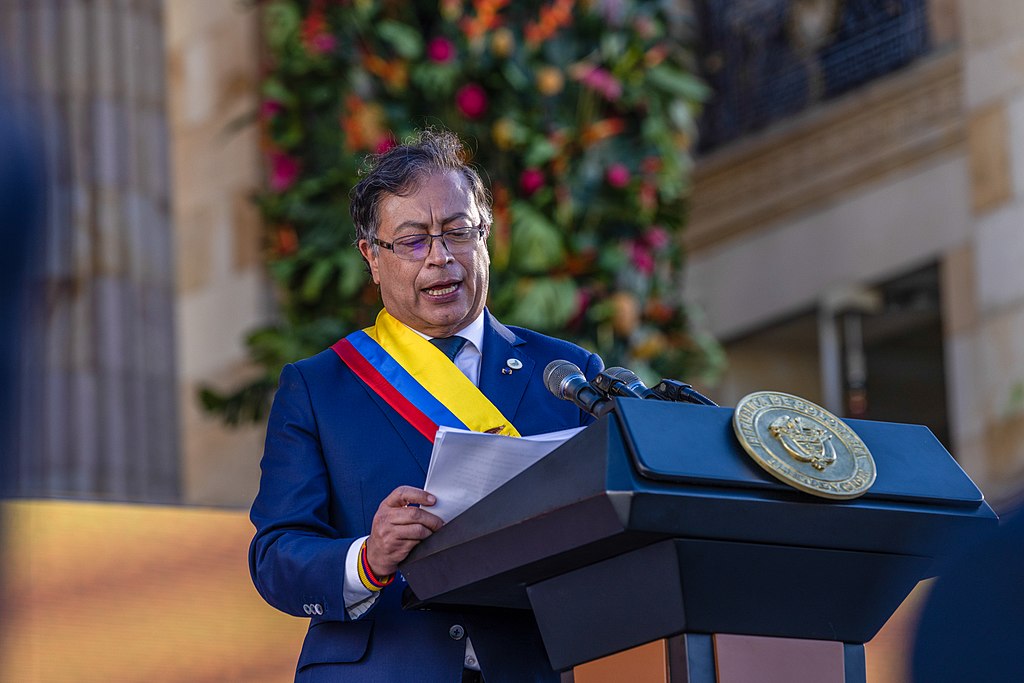
Reactions to Maduro’s capture largely followed ideological lines. Left-wing leaders such as Colombia’s President Gustavo Petro and Brazil’s President Luiz Inácio Lula da Silva strongly condemned the operation, calling it a violation of Venezuela’s sovereignty and an unacceptable escalation. Mexico’s President Claudia Sheinbaum also criticized the U.S. action while emphasizing continued security cooperation with Washington.
In contrast, conservative leaders welcomed the development. Argentina’s President Javier Milei openly supported the move, while Ecuador’s President Daniel Noboa framed it as a blow against what he called “narco-Chavismo.” In Chile, outgoing President Gabriel Boric denounced the attack, while President-elect José Antonio Kast praised Maduro’s arrest and called for accountability across the region.
Analysts say the event marks a turning point in U.S.-Latin America relations, signaling Washington’s renewed willingness to act forcefully in its traditional sphere of influence. Protests both supporting and opposing the action have been announced across major Latin American cities, underscoring how deeply the issue resonates throughout the region.













