


 Gold Prices Slide Below $5,000 as Strong Dollar and Central Bank Outlook Weigh on Metals
  Bank of Japan Signals Readiness for Near-Term Rate Hike as Inflation Nears Target
  China Extends Gold Buying Streak as Reserves Surge Despite Volatile Prices
  Canada’s local food system faces major roadblocks without urgent policy changes
  Columbia Student Mahmoud Khalil Fights Arrest as Deportation Case Moves to New Jersey
  Japanese Pharmaceutical Stocks Slide as TrumpRx.gov Launch Sparks Market Concerns
  U.S.-India Trade Framework Signals Major Shift in Tariffs, Energy, and Supply Chains
  Dollar Steadies Ahead of ECB and BoE Decisions as Markets Turn Risk-Off
  South Korea Assures U.S. on Trade Deal Commitments Amid Tariff Concerns
  India–U.S. Interim Trade Pact Cuts Auto Tariffs but Leaves Tesla Out
  Gold and Silver Prices Slide as Dollar Strength and Easing Tensions Weigh on Metals
  Thailand Inflation Remains Negative for 10th Straight Month in January
  Silver Prices Plunge in Asian Trade as Dollar Strength Triggers Fresh Precious Metals Sell-Off
  Why financial hardship is more likely if you’re disabled or sick


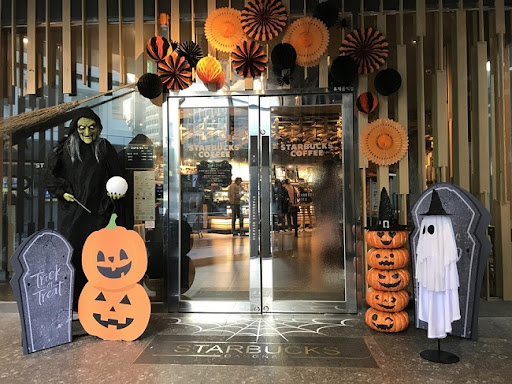
Starbucks Korea stores have set restrictions on how many of the 23 newly released Halloween goods and merchandise each customer could buy after employees protested its marketing strategy for imposing a heavy workload.
The special merchandise consists of tumblers, mugs, cold cups, key chains, and dolls.
There were also two of the two cards, three drinks, and seven food products.
The Starbucks outlets also displayed a sign that listed the stock available.
Many consumers began purchasing the Halloween specials early in the morning, causing items with buying restrictions to run out rapidly.
Second-hand transaction platforms were soon selling the new Starbucks merchandise at a higher price on the same day of its release.
Last week, employees of Starbucks Korea stores staged a demonstration against the excessive workload caused by the company’s marketing events.
The workers hired two trucks that drove around Seoul with signs calling for improved work conditions.













