


 Gold Prices Fall Amid Rate Jitters; Copper Steady as China Stimulus Eyed
  FxWirePro: Daily Commodity Tracker - 21st March, 2022


 Add as a preferred source on Google
The increased recycling out of Korea's current account surplus is consistent with the belief that the existing focus is on engineering a weaker KRW bias, possibly by stockpiling essential commodities such as fuel, will remain.
All in, the broad trend of weak external demand but stronger domestic services activity remains unchanged. The underlying growth momentum is likely to remain weak into 2016, and for the stance of monetary policy to remain accommodative well into next year. 2016 growth forecast is unchanged at 3%.
"It is also clearly evident that government efforts to recycle the current account surplus more aggressively are bearing fruit. For instance, the capital and financial account deficit remained above the USD10bn mark for the third straight month, at USD10.6bn in September", says Barclays.
This was driven by a wider net portfolio deficit of USD4.3bn (Aug: -USD2.5bn), as outward portfolio investment expanded significantly. Accentuating this was a jump in outward FDI to USD4.7bn, as Korean companies invested more in plant and machinery overseas.
This was tempered partly a large swing in the other investment account to a small USD0.4bn surplus (Aug: -USD8.5bn; USD2.9bn), as local banks cut back on lending overseas.

- News

- Economy

- Central Banks
- Investing
- Research
- Roundups
- Digital Currency
- Insights
- Technical Analysis
- Technology
- Business
- Law
- Health
- Nature
- Fintech
- Science
- Topic
- Opinions
- ©Econometrics LLC . All Rights Reserved.
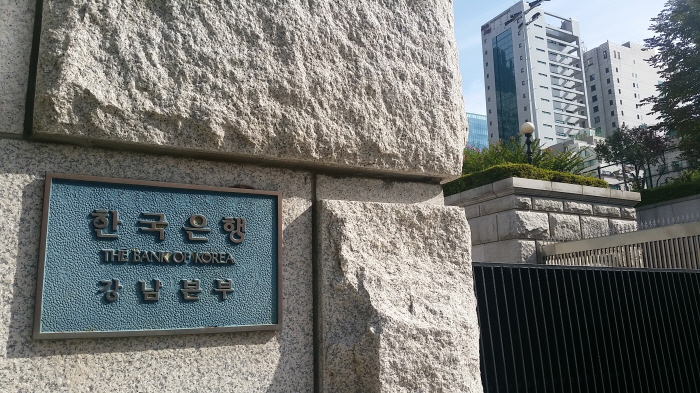
Korean government intensifies efforts to push capital out
Monday, November 2, 2015 5:00 AM UTC
Editor's Picks



- Market Data
Most Popular




