


 South Korea Assures U.S. on Trade Deal Commitments Amid Tariff Concerns
  Global Markets Slide as AI, Crypto, and Precious Metals Face Heightened Volatility
  Gold and Silver Prices Rebound After Volatile Week Triggered by Fed Nomination
  Trump Signs Executive Order Threatening 25% Tariffs on Countries Trading With Iran
  Asian Stocks Slip as Tech Rout Deepens, Japan Steadies Ahead of Election
  Dollar Near Two-Week High as Stock Rout, AI Concerns and Global Events Drive Market Volatility
  Dollar Steadies Ahead of ECB and BoE Decisions as Markets Turn Risk-Off
  Trump Endorses Japan’s Sanae Takaichi Ahead of Crucial Election Amid Market and China Tensions
  Vietnam’s Trade Surplus With US Jumps as Exports Surge and China Imports Hit Record
  China Extends Gold Buying Streak as Reserves Surge Despite Volatile Prices
  Fed Governor Lisa Cook Warns Inflation Risks Remain as Rates Stay Steady
  Oil Prices Slide on US-Iran Talks, Dollar Strength and Profit-Taking Pressure
  Gold Prices Slide Below $5,000 as Strong Dollar and Central Bank Outlook Weigh on Metals
  U.S.-India Trade Framework Signals Major Shift in Tariffs, Energy, and Supply Chains
  Russian Stocks End Mixed as MOEX Index Closes Flat Amid Commodity Strength
  India–U.S. Interim Trade Pact Cuts Auto Tariffs but Leaves Tesla Out
  Bank of Japan Signals Readiness for Near-Term Rate Hike as Inflation Nears Target


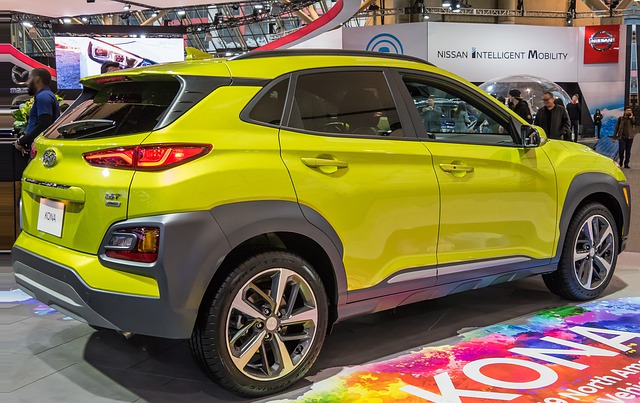
Korean auto and auto parts makers requested the government for liquidity support and temporary exemption from the acquisition tax due to significantly diminished sales.
Companies from the automotive industry are having difficulties paying fixed costs, such as salaries due amid the pandemic.
They also requested for measures to boost domestic demand.
The car and auto parts industries were already exempted from consumption tax but also wanted payment deadlines to be extended by as much as nine months for other obligations, including value-added tax, and tariffs for automobiles.
The requests were made during the meeting between the Ministry of Trade, Industry and Energy, Minister Sung Yun-mo met, and representatives of the country’s automakers to hear about difficulties they are facing due to COVID-19.
The industry representatives in the meeting were Hyundai Motor Group President Gong Young-woon, Kia Motors President Song Ho-sung, SsangYong Motors President Ye Byung-tae, GM Korea CEO Kaher Kazem, Renault Samsung CEO Dominique Signora, and heads of eight local auto parts makers.
Sung said the government would review support measures with other concerned ministries.
The country’s automotive exports declined by 45.8 percent from April 1 to April 17, from the same period in 2019.
Dealerships in European and North American markets, which account for 63.1 percent of overseas sales of the five major Korean carmakers, have suspended operations due to COVID-19.
Consequently, carmakers were forced to cut production in April, bringing down production volume by 19.2 percent during the said period.













