


 Toyota’s Surprise CEO Change Signals Strategic Shift Amid Global Auto Turmoil
  Baidu Approves $5 Billion Share Buyback and Plans First-Ever Dividend in 2026
  SpaceX Pushes for Early Stock Index Inclusion Ahead of Potential Record-Breaking IPO
  India–U.S. Interim Trade Pact Cuts Auto Tariffs but Leaves Tesla Out
  DBS Expects Slight Dip in 2026 Net Profit After Q4 Earnings Miss on Lower Interest Margins
  Nikkei 225 Hits Record High Above 56,000 After Japan Election Boosts Market Confidence
  Gold and Silver Prices Rebound After Volatile Week Triggered by Fed Nomination
  Weight-Loss Drug Ads Take Over the Super Bowl as Pharma Embraces Direct-to-Consumer Marketing
  Russian Stocks End Mixed as MOEX Index Closes Flat Amid Commodity Strength
  FDA Targets Hims & Hers Over $49 Weight-Loss Pill, Raising Legal and Safety Concerns
  OpenAI Expands Enterprise AI Strategy With Major Hiring Push Ahead of New Business Offering
  Nvidia CEO Jensen Huang Says AI Investment Boom Is Just Beginning as NVDA Shares Surge
  CK Hutchison Launches Arbitration After Panama Court Revokes Canal Port Licences
  Alphabet’s Massive AI Spending Surge Signals Confidence in Google’s Growth Engine
  RBI Holds Repo Rate at 5.25% as India’s Growth Outlook Strengthens After U.S. Trade Deal
  Amazon Stock Rebounds After Earnings as $200B Capex Plan Sparks AI Spending Debate


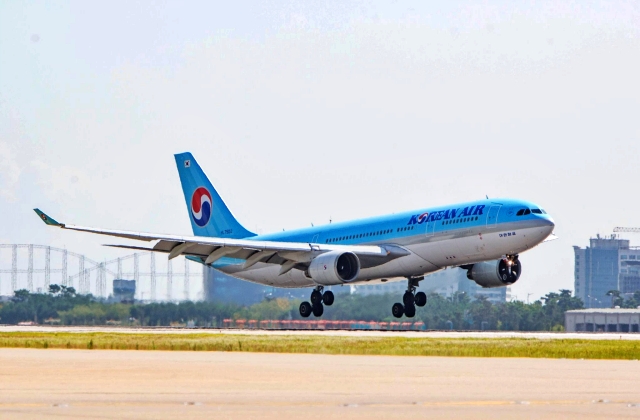
Korean Air, the biggest airline in South Korea, revealed on Monday, May 31, that it has earned another approval from two more countries over its acquisition of Asiana Airlines, a smaller local carrier. This means that it is getting closer to full take over of its former rival.
Approvals needed for the acquisition deal to go ahead
Yonhap News Agency reported that Korean Air did not only receive approval from Thailand’s watchdog but also from the Philippines. The two countries are the latest to greenlight the acquisition of Asiana Air, following Turkey that issued its approval in February.
Minus the three countries mentioned, Korean Air still needs to win the nods of regulators from the U.S., South Korea, China, Japan, Australia, the European Union and Vietnam. The carrier’s spokesperson confirmed that they are just awaiting the same positive response from the other countries and the ₩1.8 trillion or $1.6 billion acquisition deal will push through.
The South Korean airline previously said that it is aiming to merge with Asiana by 2024, after the completion of the takeover process that it is hoping to happen by next year. Once Korean Air and Asiana merged, it was predicted that it would become one of the largest airlines in the world.
Thailand completes Korean Air-Asiana merger review
Korean Air cleared another two countries for its Asiana Air acquisition and while it needs more nations to approve the deal, it is doing its best to gain their nod too. At this time, the airline is cooperating with the respective commissions and supplying them with the needed documents so it can finalize the merger and finish the acquisition process as soon as possible.
“Thailand’s Office of Trade Competition Commission recently completed its review of the business combination with Asiana, and stated that the submission of a prerequisite business combination report was not necessary,” Flight Global quoted Korean Air as saying in a statement today.
Meanwhile, Korean Air must have the approval from the regulatory board of economic competition from other countries to make sure that the merger will not affect other businesses. It is also needed to prevent monopoly in the air and travel business.













