


 Bank of Korea Raises Rates to 3% as Inflation Stays Sticky
  Is space worth the cost? Accounting experts say its value can’t be found in spreadsheets
  Asian Currencies Mixed as Dollar Holds Firm Ahead of Jackson Hole
  NASA's Artemis II Mission: First Crewed Lunar Journey Since Apollo
  SpaceX’s Starship Completes 11th Test Flight, Paving Way for Moon and Mars Missions
  NASA Artemis II: First Crewed Moon Mission Since Apollo Takes Four Astronauts on 10-Day Lunar Journey
  Neuralink Plans High-Volume Brain Implant Production and Fully Automated Surgery by 2026
  Eli Lilly’s Inluriyo Gains FDA Approval for Advanced Breast Cancer Treatment
  FDA Adds Fatal Risk Warning to J&J and Legend Biotech’s Carvykti Cancer Therapy
  Wall Street Slips as Warsh’s Hawkish Fed Speech Rattles Markets
  Oil Prices Slip as Venezuela Supply Prospects Weigh on Market
  Trump Signs Executive Order to Boost AI Research in Childhood Cancer


 Add as a preferred source on Google
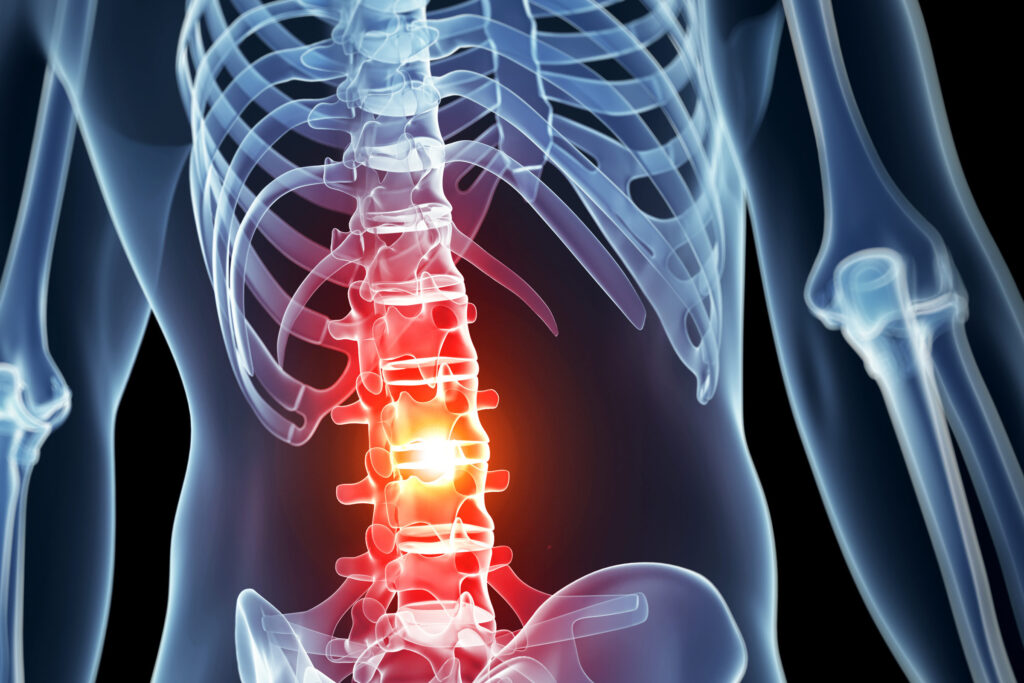
Keio University researchers have successfully transplanted into a patient with a severe spinal cord injury two million neural progenitor cells derived from other people’s iPS cells as part of a clinical study, offering hope for the paralyzed.
The patient is doing well.
Over the next year, while the patient undergoes rehabilitation, the team of doctors will see how safe and effective the treatment is.
The treatment is designed for patients with “complete paralysis” who are within two to four weeks of sustaining a spinal cord injury, called the subacute phase.
The iPS cells used were stockpiled by Kyoto University’s Center for iPS Cell Research and Application.
While rehabilitation is currently the only effective treatment for a spinal cord injury, the team believes that the transplanted cells could repair damaged neural circuits and create new tissue that can transmit signals from the brain.
The team plans to do the transplant into four more patients with spinal cord injuries.
While Japan’s Ministry of Health, Labor, and Welfare approved this clinical trial in February 2019, the process of finding suitable patients was postponed due to the COVID-19 pandemic.







