


 Asian Stocks Slip as Tech Rout Deepens, Japan Steadies Ahead of Election
  Japanese Pharmaceutical Stocks Slide as TrumpRx.gov Launch Sparks Market Concerns
  American Airlines CEO to Meet Pilots Union Amid Storm Response and Financial Concerns
  Gold and Silver Prices Rebound After Volatile Week Triggered by Fed Nomination
  Trump Endorses Japan’s Sanae Takaichi Ahead of Crucial Election Amid Market and China Tensions
  Fed Governor Lisa Cook Warns Inflation Risks Remain as Rates Stay Steady
  FDA Targets Hims & Hers Over $49 Weight-Loss Pill, Raising Legal and Safety Concerns
  Washington Post Publisher Will Lewis Steps Down After Layoffs
  Vietnam’s Trade Surplus With US Jumps as Exports Surge and China Imports Hit Record
  Trump’s Inflation Claims Clash With Voters’ Cost-of-Living Reality
  Tencent Shares Slide After WeChat Restricts YuanBao AI Promotional Links
  SoftBank Shares Slide After Arm Earnings Miss Fuels Tech Stock Sell-Off
  India–U.S. Interim Trade Pact Cuts Auto Tariffs but Leaves Tesla Out
  China Extends Gold Buying Streak as Reserves Surge Despite Volatile Prices
  Silver Prices Plunge in Asian Trade as Dollar Strength Triggers Fresh Precious Metals Sell-Off
  Instagram Outage Disrupts Thousands of U.S. Users


Amid escalating Moscow regulations post-Ukraine operation, foreign companies are grappling with surging costs and added complexities when attempting to leave the Russian market, resulting in over $80 billion in losses.
Moscow has been progressively tightening regulations surrounding company exits in response to Western firms leaving the country after an alleged "special military operation" in Ukraine in February 2022. Executives have voiced concerns over the increasing complexity of navigating these rules.
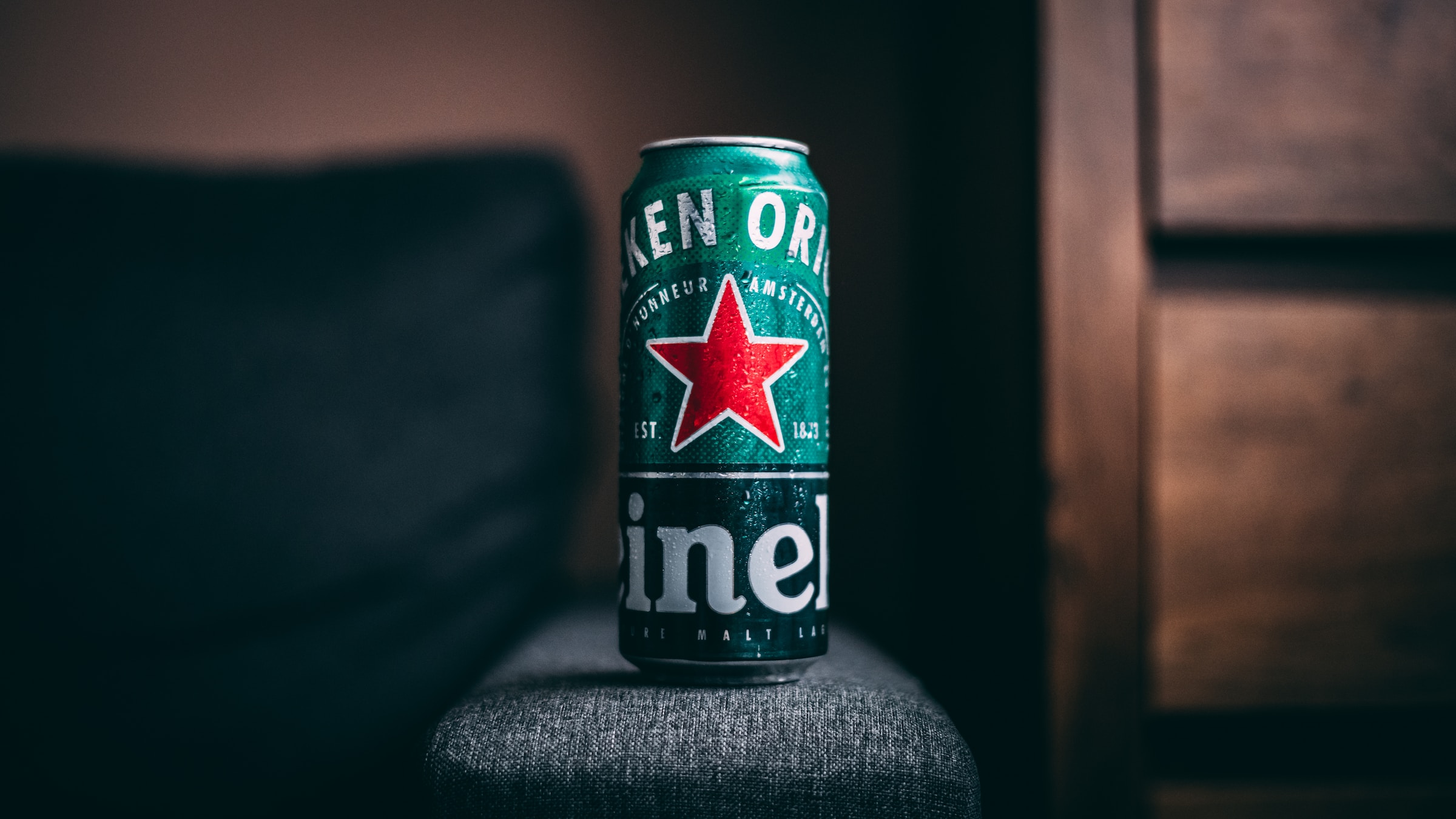
Based on company filings and statements, a preliminary analysis by Reuters reveals that foreign companies have suffered losses of over $80 billion from their Russian operations due to write-downs and lost revenue. On Friday, Dutch brewer Heineken announced the completion of the sale of its Russian operations to Russia's Arnest Group for a nominal one euro, effectively marking its exit from the Russian market.
Moscow has incrementally implemented additional hurdles for companies seeking to leave. The threat of nationalization also looms, particularly following the seizure of assets belonging to Danish brewer Carlsberg and French yogurt maker Danone in July.
Several companies, including telecoms group Veon, Nasdaq-listed tech company Yandex, and Italian lender Intesa, are negotiating exit plans. Before final approvals, Moscow already demands a 50% discount on all foreign deals through valuations conducted by consultants appointed by the Russian government. Additionally, a contribution of at least 10% of the sale price to the Russian budget is required.
However, sources familiar with the exit process indicate that certain deals face additional demands for discounts before securing government approval. These sources chose to remain anonymous due to the confidential nature of the information.
In response to queries, the Russian finance ministry stated that it does not compel the reduction of final sale prices, but adjustments to valuations may occur during the sales process.
The economy ministry and central bank also evaluate businesses and reserve the right to make "corrections" to the sale price if necessary. Moreover, deals involving companies from countries classified as "unfriendly" require approval from a government commission overseeing foreign investments.
A financial market source working with firms seeking to exit Russia revealed that the commission is returning some deals, suggesting that the valuation should be 20-30% lower. As companies grapple with the challenge of leaving Russia, the government's insistence on larger discounts adds further complexity to their exit strategies.
Photo: Marko Blažević/Unsplash













