


 Berkshire Hathaway and Tokio Marine Form Major Strategic Insurance Partnership
  Sonova Shares Slip as Hearing Aid Giant Lowers Growth Outlook and Plans Sennheiser Exit
  Valero Port Arthur Refinery Explosion Prompts $1M Lawsuit Over Worker Safety Negligence
  Moderna to Pay Up to $2.25B to Settle LNP Patent Dispute Over COVID-19 Vaccine Technology
  Estée Lauder Sues Jo Malone Over Trademark Dispute Involving Zara
  Jerome Powell May Stay on Fed Board Amid Criminal Investigation, Court Documents Reveal
  Anthropic Sues Pentagon Over AI Blacklist, Citing Free Speech Violations
  SLMG Beverages Eyes Price Hikes Amid Rising Packaging Costs and India's Booming Soft Drink Market
  CK Hutchison's Panama Ports Dispute Escalates as Arbitration Claims Surpass $2 Billion
  NAB Plans to Cut 170 Jobs While Expanding Offshore Operations
  Merck's $6 Billion Bid for Terns Pharma Signals Bold Oncology Push
  AWS Bahrain Region Disrupted by Drone Activity Amid Middle East Conflict
  Bolsonaro Hospitalized in ICU with Bronchopneumonia Amid Calls for House Arrest
  Nanya Technology Shares Surge 10% After $2.5 Billion Private Placement from Sandisk and Cisco
  Innate Pharma Reports 55% Revenue Drop and €49.2M Net Loss for 2025
  Meta Ties Executive Pay to Aggressive Stock Price Targets in Major Retention Push
  Golden Dome Missile Defense: Anduril and Palantir Join Forces on Trump's $185B Space Shield


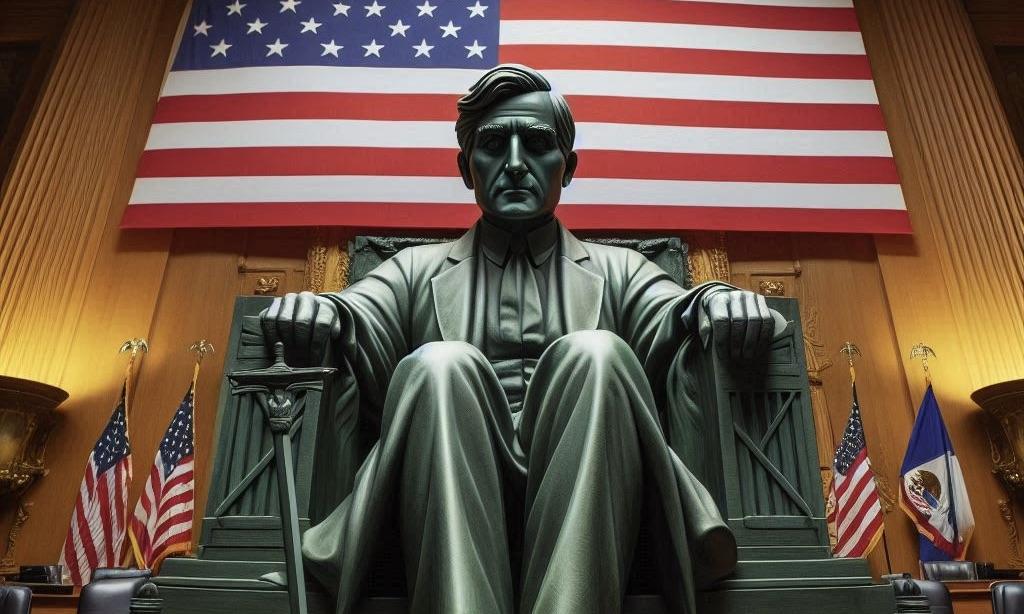
The U.S. Department of Justice has asked a federal appeals court to uphold an April law requiring ByteDance, the China-based owner of TikTok, to divest its U.S. assets by January 19 or face a ban, citing national security concerns.
DOJ Asserts National Security Risks as It Urges Court to Enforce TikTok Divestiture Law
The U.S. Department of Justice requested a federal appeals court to uphold an April law that requires China-based ByteDance to divest TikTok's U.S. assets by January 19 or face a ban. A late request was submitted on July 26.
The Department of Justice contended in its filing that TikTok, which is under Chinese ownership, poses a significant national security threat due to its access to a vast amount of personal data about Americans. China is alleged to be able to manipulate the information that Americans consume through TikTok surreptitiously.
The department said, "The serious national security threat TikTok poses is real. TikTok provides the Chinese government with the means to undermine U.S. national security in two principal ways: data collection and covert content manipulation."
The Biden administration requested that the U.S. Court of Appeals for the District of Columbia dismiss lawsuits filed by TikTok, its parent company ByteDance, and a group of TikTok creators. According toReuters, the lawsuits are intended to obstruct the law that could prohibit the app from being used by 170 million Americans.
TikTok has consistently denied that it would ever share U.S. user data with China or that it manipulates video results.
"The government has never put forth proof of its claims, including when Congress passed this unconstitutional law. Today, once again, the government is taking this unprecedented step while hiding behind secret information", TikTok posted on social media platform X in response to the DOJ brief.
ByteDance's ownership of TikTok raises extensive national security concerns, as detailed in the Department of Justice's filing.
The department said that China’s long-term geopolitical strategy involves developing and pre-positioning assets that it can deploy at opportune moments.
In a separate declaration, the government acknowledged no information indicating that the Chinese government accessed U.S. TikTok users' data. However, it stated that the risk of this happening was too high.
The filing said, "The United States is not required to wait until its foreign adversary takes specific detrimental actions before responding to such a threat."
Classified Document Highlights Security Concerns Over ByteDance's Ownership of TikTok Amid Divestiture Deadline
The government also submitted a classified document to the court that outlines supplementary security concerns regarding ByteDance's ownership of TikTok. This document includes broader declarations from the FBI, Office of the Director of National Intelligence, and DOJ's National Security Division.
ByteDance informed the U.S. government that TikTok's source code comprised 2 billion lines, rendering a comprehensive review impossible. "DoJ added that Oracle estimated it would take three years to review this body of code, excluding any additional modifications."
The law, signed by President Joe Biden on April 24, gives ByteDance until January 19 to either sell TikTok or face a ban. The White House has expressed its desire to terminate Chinese-based ownership for national security reasons but has not imposed a moratorium on TikTok.
The department rejected all of TikTok's arguments, including the claim that the law violates the First Amendment free speech rights of Americans who use the short video app. The department argued that the law is intended to address national security concerns, not speech, and is aimed at China's ability to exploit TikTok to access Americans' sensitive personal information.
The DOJ said that TikTok users have "numerous other well-known platforms" such as YouTube, Facebook, Instagram, Snapchat, and X that they could use instead.
The Department of Justice (DOJ) stated that TikTok's $2 billion plan to safeguard U.S. user data was inadequate. The DOJ attributed this inadequacy to the government's "lack of confidence" in ByteDance and the company's ability to detect violations.
TikTok's fate will be decided in the final weeks of the November 5 presidential election when the appeals court conducts oral arguments on the legal challenge on September 16.
Donald Trump, the Republican presidential nominee, has joined TikTok and declared in June that he would never advocate for a TikTok ban. This week, Vice President Kamala Harris, who is expected to be the Democratic nominee, joined TikTok.
The law forbids app stores such as Apple and Alphabet's Google from offering TikTok, and internet hosting services are prohibited from supporting it unless ByteDance divests it.
The measure was overwhelmingly passed by Congress just weeks after it was introduced as a result of concerns among U.S. lawmakers that China could access data on Americans or spy on them with the app.













