


 Ukraine Names Yevhenii Khmara Defence Minister Amid Election Row
  US CENTCOM Chief Praises USS Abraham Lincoln Crew Amid Mental Health Concerns
  Russia-Ukraine Drone Attacks Escalate as Strikes Hit Moscow, Kyiv and Romania
  Prince Harry and Meghan Markle Reportedly Plan UK Move With Children
  Trump Says Kim Jong Un Responded to Outreach After US Scales Back South Korea Military Drills
  Trump Says Iran Talks Halted as Hormuz Dispute Pushes Oil Higher
  Philippines Confident in U.S. Defense Commitment Despite Middle East Redeployment
  US, South Korea Cut Joint Military Drills After Trump Orders Reduced Role
  Trump Administration Allocates $206 Million for Gaza Peacekeeping Force
  Israel, Syria Discuss Turkey’s Military Presence Before Airstrike
  Canada Faces 50% U.S. Tariffs as Trade Tensions Threaten USMCA Talks
  Israel Strikes Syrian Airbase Near Aleppo, Raising Tensions With Turkey
  Trump Says Iran Should Surrender as Nuclear Deal Talks Stall
  Gaza Zoo Struggles to Save Animals Amid War
  Israeli Airstrikes Kill 10 Palestinians in Gaza as Ceasefire Diplomacy Stalls
  Trump Says Iran Talks Halted as Strait of Hormuz Dispute Fuels Oil Concerns


 Add as a preferred source on Google
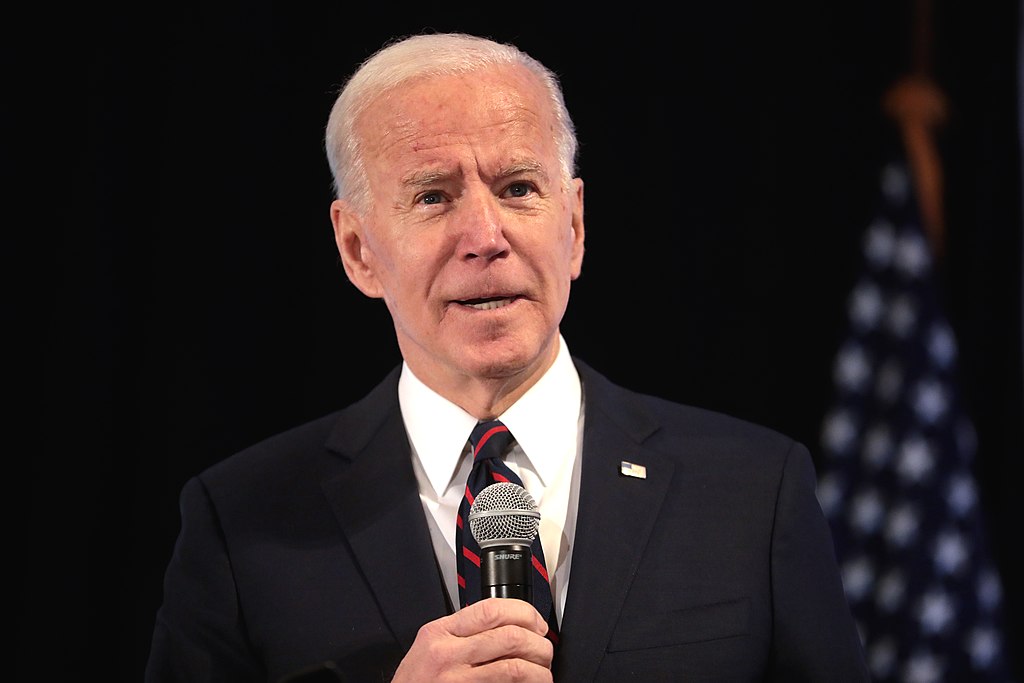
The Biden administration is under intense scrutiny following revelations about a controversial plea deal involving critical figures accused of orchestrating the September 11, 2001, terrorist attacks. The deal, which was reportedly struck with Khalid Sheikh Mohammed, Walid Muhammad Salih Mubarak Bin Attash, and Mustafa Ahmed Adam al-Hawsawi, has since been revoked by Defense Secretary Lloyd Austin, who claims he had no prior knowledge of the arrangement.
The plea deal announcement last week sent shockwaves through the nation, as it involved three of the men implicated in the deadliest terrorist attack on U.S. soil. The news triggered a wave of criticism, with many questioning the judgment and transparency of the Biden administration. The situation took a more perplexing turn when Secretary Austin publicly denied any awareness of the plea deal, raising serious concerns about who truly controls the administration's critical decisions.
This incident has fueled allegations that President Joe Biden is not entirely in command of his administration, with some critics suggesting that individuals with sympathies toward Islamic extremists might be influencing policy decisions. The plea deal, which would have allowed the accused terrorists to avoid the death penalty, has been seen by many as a grave misstep, undermining the quest for justice for the nearly 3,000 victims of the 9/11 attacks.
Secretary Austin's revocation of the plea deal underscores a significant disconnect within the administration. Austin's assertion that he was unaware of the agreement has prompted questions about the internal communication and decision-making processes within the Department of Defense and the broader administration. It remains unclear how such a critical decision could be made without the knowledge or approval of the nation's top defense official.
The implications of this oversight are far-reaching. Critics argue that if such a significant matter could slip through the cracks, other critical issues could be similarly mishandled. The lack of cohesive leadership and transparent decision-making poses a potential threat to national security, mainly when dealing with matters as sensitive as terrorism and justice for 9/11 victims.
This controversy has reignited debates about the competence and accountability of the Biden administration. The plea deal's initial approval and subsequent revocation have not only angered the families of 9/11 victims but also raised doubts about the administration's ability to handle national security issues effectively. The situation has provided ample fodder for the administration's detractors, who argue that this incident exemplifies a pattern of mismanagement and lack of coherent leadership.
The White House has yet to issue a comprehensive statement addressing how the plea deal was approved without the Defense Secretary's knowledge. As the administration grapples with the fallout, there are calls for a thorough investigation into the internal processes that led to this debacle. The American public and the families of 9/11 victims deserve clear answers and accountability for what many view as a gross mishandling of justice.
As this story continues to develop, the Biden administration's response and actions in the coming days will be crucial in determining its ability to regain trust and demonstrate effective leadership.







