


 Trump Hints at Possible U.S. Takeover of Cuba Amid Deepening Humanitarian Crisis
  U.S. and Russia Hold Diplomatic Talks in Florida Amid Ongoing Tensions
  Anthropic Sues Pentagon Over AI Blacklist, Citing Free Speech Violations
  Trump Administration Spent $5.6 Billion in Munitions in Opening Days of Iran Strikes
  After the Iran war, Persian Gulf nations face tough decisions on the US – a former diplomat explains
  Russian Drone Strikes Hit Kharkiv and Dnipro, Injuring Over 20 Civilians
  Bipartisan Housing Bill Advances in Senate, Aims to Tackle U.S. Affordability Crisis
  Iran Mines Strait of Hormuz: Crude Oil Prices Surge Amid Middle East Tensions
  Trump Administration Launches Trade Investigations Against 16 Countries Over Industrial Overcapacity
  Iran-U.S. Oil Tensions Escalate as Revolutionary Guards Threaten Strait of Hormuz Blockade
  Shots Fired at U.S. Consulate in Toronto in Suspected National Security Incident
  Israel-Iran War: Herzog Urges Patience as U.S. and Israeli Strikes Intensify
  Trump-Putin Call Addresses Iran War, Ukraine Peace, and Global Oil Crisis
  U.S. Patriot Missiles Redeployed From South Korea Amid Middle East Conflict
  Trump Doubts Iran Mining Reports as Strait of Hormuz Tensions Escalate
  Boeing Secures $289 Million Smart Bomb Contract With Israel


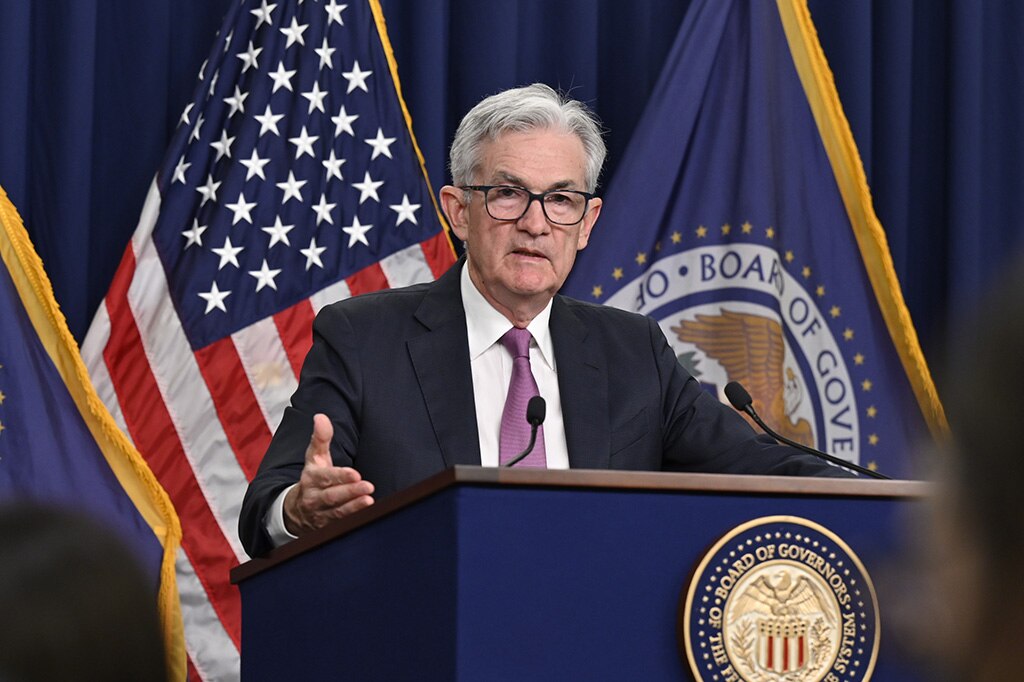
U.S. Federal Reserve Chair Jerome Powell said on Sunday that the Trump administration has threatened him with a potential criminal indictment connected to congressional testimony he delivered last summer, escalating an already tense dispute between the White House and the central bank over interest rate policy. Powell’s remarks followed the delivery of grand jury subpoenas to the Federal Reserve by the Department of Justice late last week, a move he described as politically motivated pressure.
In a statement released Sunday night, Powell said the subpoenas were served on Friday and relate to his testimony before the Senate Banking Committee in June. He characterized the action as a “pretext” designed to intimidate him and influence the Federal Reserve’s independence as it sets monetary policy. According to Powell, the investigation centers on statements he made during that hearing, though he firmly denied any wrongdoing.
The comments mark a dramatic escalation in the long-running conflict between Powell and President Donald Trump, who has repeatedly criticized the Federal Reserve for maintaining interest rates he views as too high. Trump has publicly blamed the Fed for slowing economic growth and has frequently attacked Powell personally, despite the Fed’s long-standing tradition of operating independently from political influence.
Powell emphasized that the Federal Reserve’s decisions are guided by its dual mandate of controlling inflation and supporting maximum employment, not by political considerations. He warned that efforts to criminalize routine congressional testimony could set a dangerous precedent and undermine confidence in the independence of U.S. financial institutions.
The White House and the Department of Justice have not immediately responded to Powell’s claims. Legal experts note that criminal cases tied to congressional testimony are rare and typically require clear evidence of intentional false statements.
Markets and policy observers are closely watching the situation, as any perceived threat to the Federal Reserve’s autonomy could have significant implications for investor confidence, monetary policy stability, and the broader U.S. economy. Powell’s statement underscores growing concerns about political interference in institutions traditionally shielded from partisan conflict.













