


 U.S.-India Trade Framework Signals Major Shift in Tariffs, Energy, and Supply Chains
  RBI Holds Repo Rate at 5.25% as India’s Growth Outlook Strengthens After U.S. Trade Deal
  Asian Stocks Slip as Tech Rout Deepens, Japan Steadies Ahead of Election
  Fed Governor Lisa Cook Warns Inflation Risks Remain as Rates Stay Steady
  Dow Hits 50,000 as U.S. Stocks Stage Strong Rebound Amid AI Volatility
  Global Markets Slide as AI, Crypto, and Precious Metals Face Heightened Volatility
  Gold Prices Slide Below $5,000 as Strong Dollar and Central Bank Outlook Weigh on Metals
  South Korea Assures U.S. on Trade Deal Commitments Amid Tariff Concerns
  Russian Stocks End Mixed as MOEX Index Closes Flat Amid Commodity Strength
  Dollar Steadies Ahead of ECB and BoE Decisions as Markets Turn Risk-Off
  Trump Endorses Japan’s Sanae Takaichi Ahead of Crucial Election Amid Market and China Tensions
  Singapore Budget 2026 Set for Fiscal Prudence as Growth Remains Resilient
  South Africa Eyes ECB Repo Lines as Inflation Eases and Rate Cuts Loom
  Thailand Inflation Remains Negative for 10th Straight Month in January
  Dollar Near Two-Week High as Stock Rout, AI Concerns and Global Events Drive Market Volatility
  Vietnam’s Trade Surplus With US Jumps as Exports Surge and China Imports Hit Record
  Oil Prices Slide on US-Iran Talks, Dollar Strength and Profit-Taking Pressure


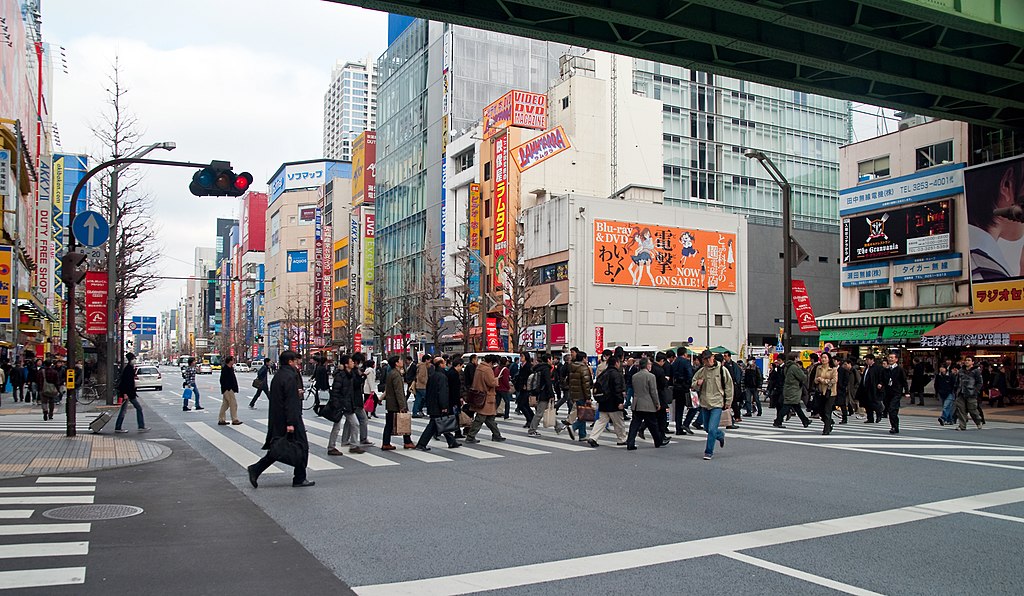
Japan’s unemployment rate climbed to 2.6% in August, up from 2.3% in July, according to official government data released on Friday. The figure exceeded economists’ median forecast of 2.4%, highlighting growing concerns about the stability of the nation’s labor market.
The data also showed a decline in the jobs-to-applicants ratio, which dropped to 1.20 in August from 1.22 in the previous month. This was below market expectations of 1.22, signaling a cooling demand for workers. A lower ratio suggests that job seekers are facing fewer employment opportunities compared to earlier months.
Analysts note that the higher-than-expected unemployment rate, coupled with the softer jobs-to-applicants ratio, reflects increasing pressure on Japan’s employment sector as global economic uncertainty weighs on businesses. Rising energy costs, weak global demand, and lingering effects of monetary tightening in other economies may be prompting Japanese companies to slow down hiring.
While Japan’s jobless rate remains low compared to other advanced economies, the uptick is notable given the country’s ongoing struggle with labor shortages caused by its aging population and shrinking workforce. Economists caution that even small increases in unemployment could have broader implications for household spending and overall economic growth.
Market watchers are also closely monitoring how the Bank of Japan’s policies may influence labor conditions. A weaker job market could limit wage growth, which the government has been pushing as a key driver for sustainable economic recovery.
With unemployment edging higher and job availability narrowing, policymakers face increasing pressure to bolster labor market resilience. How Japan balances economic growth, inflation, and employment stability in the coming months will remain a critical focus for investors and businesses alike.













