


 Bank of Japan Expected to Hold Rates at 0.75% Before June Hike Amid Middle East War Uncertainty
  Nations will release an extra 400 million barrels of oil to the market. All we need to do now is not panic at the pump
  ANZ and Westpac Forecast Two RBA Rate Hikes in March and May 2026
  Iran-Israel War Sparks Global Oil Crisis as Tankers Burn in Gulf Waters
  Gold Prices Climb Above $5,200 as Iran War Uncertainty and Inflation Data Loom
  RBA Rate Decision: Deputy Governor Signals Genuine Debate Ahead of March Meeting
  IEA Releases Record 400 Million Barrels of Oil Amid U.S.-Iran War
  UK Housing Market Slows Amid Geopolitical Tensions and Mortgage Rate Fears
  Oil Prices Surge Toward $100/Barrel After Tanker Attacks in Iraqi Waters
  IEA Plans Record Emergency Oil Release Amid Iran Strait of Hormuz Crisis
  Venezuela Names Paula Henao as New Oil Minister Amid U.S.-Led Industry Overhaul
  China's Trade Surplus Surges Past Forecasts in Early 2026
  Trump Administration Launches Trade Investigations Against 16 Countries Over Industrial Overcapacity
  Asian Markets Retreat as Oil Prices Surge Toward $100 Amid Middle East Tensions
  Asia FX Steady as Iran War Signals and U.S. Inflation Data Weigh on Sentiment
  Dollar Stabilizes Amid Iran War Uncertainty as Oil Prices Remain Elevated


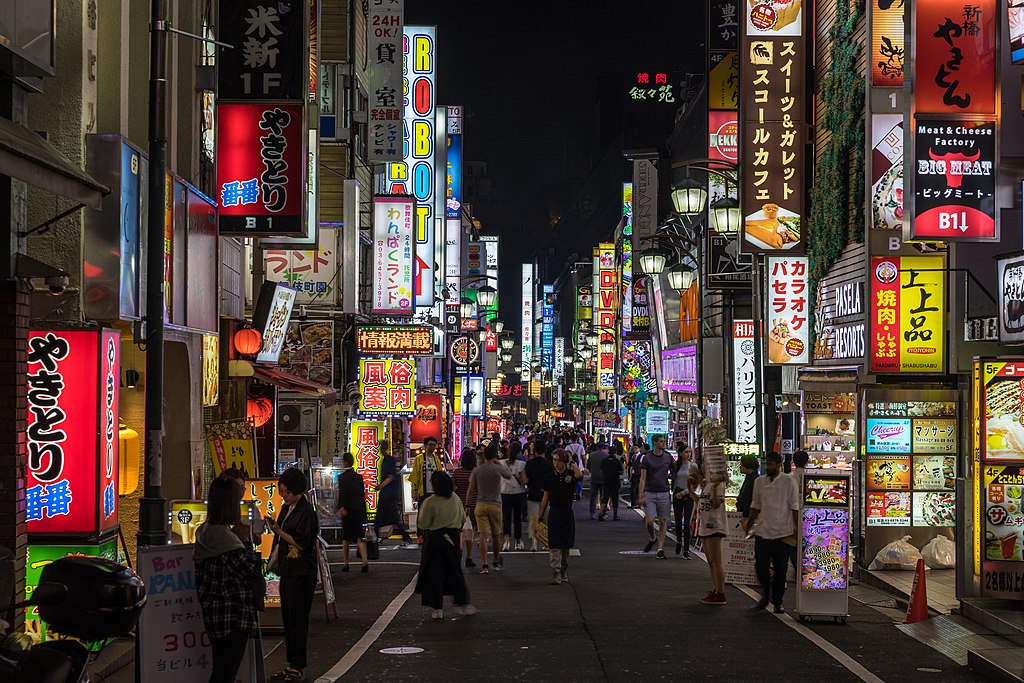
Japan’s largest labor union federation, Rengo, announced that its member unions are seeking an average wage increase of 5.94% in the 2026 annual labor negotiations, highlighting continued momentum in wage growth as policymakers closely monitor the outcome. The proposed increase comes slightly below last year’s demand of 6.09%, but still reflects strong pressure on employers to raise salaries amid persistent inflation and a growing labor shortage in Japan.
Rengo’s wage demand underscores the challenges facing Japanese households, where rising consumer prices have strained spending power. Inflation has remained a key concern, prompting unions to push for higher pay to help workers cope with increasing living costs. At the same time, Japan’s rapidly aging population has intensified labor shortages across many industries, forcing companies to boost wages in order to attract and retain employees.
Despite global uncertainties, labor leaders said external risks should not disrupt negotiations. Rengo President Tomoko Yoshino acknowledged concerns about the expanding conflict in the Middle East and its potential impact on oil prices. Higher energy costs could weigh on Japan’s import-dependent economy, but Yoshino emphasized that unions will continue to pursue firm wage demands during this year’s discussions.
The average wage increase request also exceeds Rengo’s long-term target of at least 5% wage growth in 2026, which includes a base pay rise of at least 3%. Base pay increases refer to permanent salary adjustments and exclude the automatic seniority-based wage increments already built into many Japanese corporate pay systems.
Japan’s annual labor negotiations, commonly known as “Shunto” or spring wage talks, typically conclude by mid-March at major companies, with wage adjustments taking effect several months later. In 2025, Japanese firms agreed to an average wage hike of 5.25%, the largest increase in 34 years, marking the third consecutive year of strong pay growth.
However, despite these notable increases, real wages in Japan declined every month throughout 2025, as nominal wage growth failed to keep pace with consumer inflation. Policymakers remain hopeful that slowing food price inflation in 2026 could help real wages recover.
Wage growth remains a critical factor for the Bank of Japan’s monetary policy outlook. BOJ Governor Kazuo Ueda recently stated that sustained wage increases are necessary for Japan to achieve and maintain its 2% inflation target, which is essential for further normalization of monetary policy.
Recent surveys also indicate growing corporate willingness to raise salaries. A Teikoku Databank survey of more than 10,000 companies revealed that 63.5% plan to increase wages for full-time employees in 2026, the highest level on record. Among companies expecting to raise pay, 74.3% cited labor retention and recruitment challenges as the main motivation.
In a related development, UA Zensen, a major union group representing workers in retail, restaurant, and service sectors, said its member unions are seeking a record 6.46% wage increase for full-time employees during the 2026 negotiations. The demand further highlights growing pressure across industries for higher compensation as Japan grapples with inflation and workforce shortages.













