


 Asian Currencies Stay Muted as Dollar Holds Firm Amid Iran Uncertainty
  Japan Eyes Oil Futures Intervention to Stabilize Yen Amid Middle East Crisis
  Oil Prices Rebound as Iran Denies U.S. Talks Amid Gulf War Supply Fears
  Trump Tariffs Show Minimal Economic Impact but Boost Federal Revenue, Study Finds
  Oil Prices Climb as Iran Reviews U.S. Peace Proposal Amid Middle East Tensions
  Suspicious Oil Market Trades Precede Trump's Iran Peace Post by 15 Minutes
  Australia's Inflation Eases in February but Core Pressures Persist
  U.S. Oil Prices Slide as Middle East Ceasefire Talks Spark Market Optimism
  U.S. Futures Slide as Iran Denies Nuclear Talks with Washington
  Australia-EU Free Trade Deal Signed After Years of Negotiations
  Iran-Israel Missile Strikes Continue Amid Mixed Signals on U.S.-Iran Diplomacy
  U.S. Stock Futures Steady as Iran Reviews U.S. Ceasefire Proposal
  Federal Reserve Balance Sheet Reduction: Brookings Research Outlines Possible Path Forward
  Bank of Japan Officials Signal Continued Interest Rate Hikes Amid Inflation Concerns
  Japan's Private Sector Growth Slows in March Amid Rising Costs and Middle East Uncertainty


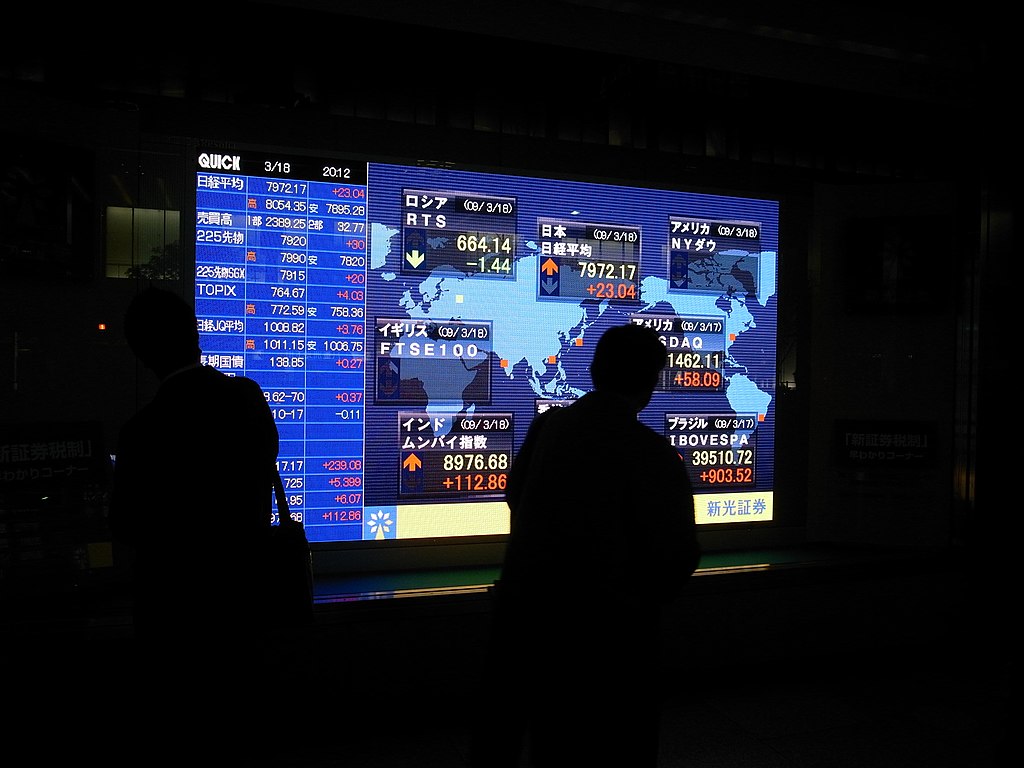
Japan’s economy contracted less than expected in the first quarter of 2025, despite sluggish consumer spending and a sharp drop in exports driven by global trade tensions. Official data released Monday showed that gross domestic product (GDP) declined by 0.2% year-on-year in the January-March period, better than the earlier estimate of a 0.7% contraction. Still, the figure marked a sharp reversal from the 2.4% growth recorded in the previous quarter.
On a quarterly basis, GDP remained flat, improving from a prior estimate of a 0.2% drop. The modest upgrade was primarily due to revised data on private consumption, which showed a slight 0.1% quarter-on-quarter increase instead of a previously flat reading. However, business investment was revised lower to 1.1% from 1.4%, signaling weaker corporate confidence.
Japan’s external demand remained weak, falling 0.8%, in line with initial projections. Exports were hit hard by U.S. President Donald Trump’s sweeping tariff measures, which included a 10% blanket tariff on imports and additional levies on cars and select commodities. The export slowdown was compounded by softening demand from key markets such as China.
A stronger yen added to the pressure on exports, as the currency appreciated due to a hawkish Bank of Japan stance and heightened safe-haven buying amid global uncertainty.
The revised GDP data suggests Japan’s economic momentum is fading after a resilient 2024. With growth faltering and external risks mounting, the Bank of Japan may be forced to rethink any near-term rate hikes, despite recent hawkish signals. Sluggish consumer demand and trade headwinds continue to cloud the outlook for Asia’s second-largest economy.













