


 U.S. Markets Slip Amid Iran Conflict Uncertainty as Oil Prices Retreat
  Nations will release an extra 400 million barrels of oil to the market. All we need to do now is not panic at the pump
  Iran-U.S. Oil Tensions Escalate as Revolutionary Guards Threaten Strait of Hormuz Blockade
  German Exports Drop 2.3% in January, Exceeding Forecast Decline
  IEA Releases Record 400 Million Barrels of Oil Amid U.S.-Iran War
  Bank of Japan Expected to Hold Rates at 0.75% Before June Hike Amid Middle East War Uncertainty
  Chinese AI Stocks Surge as Tencent, MiniMax, and Zhipu Launch Agentic AI Programs
  Iran-Israel War Sparks Global Oil Crisis as Tankers Burn in Gulf Waters
  Asian Currencies Face Pressure as U.S.-Iran Conflict Weighs on Markets
  Oil Prices Surge Toward $100/Barrel After Tanker Attacks in Iraqi Waters
  Gold Prices Slip as U.S.-Israel-Iran War Fuels Dollar and Oil Demand
  RBA Rate Decision: Deputy Governor Signals Genuine Debate Ahead of March Meeting
  UK Housing Market Slows Amid Geopolitical Tensions and Mortgage Rate Fears
  U.S. Solar Market Contracts in 2025 as Trump Rolls Back Renewable Energy Incentives
  Diesel Price Surge Threatens Global Economy Amid Middle East Conflict
  Asia FX Steady as Iran War Signals and U.S. Inflation Data Weigh on Sentiment


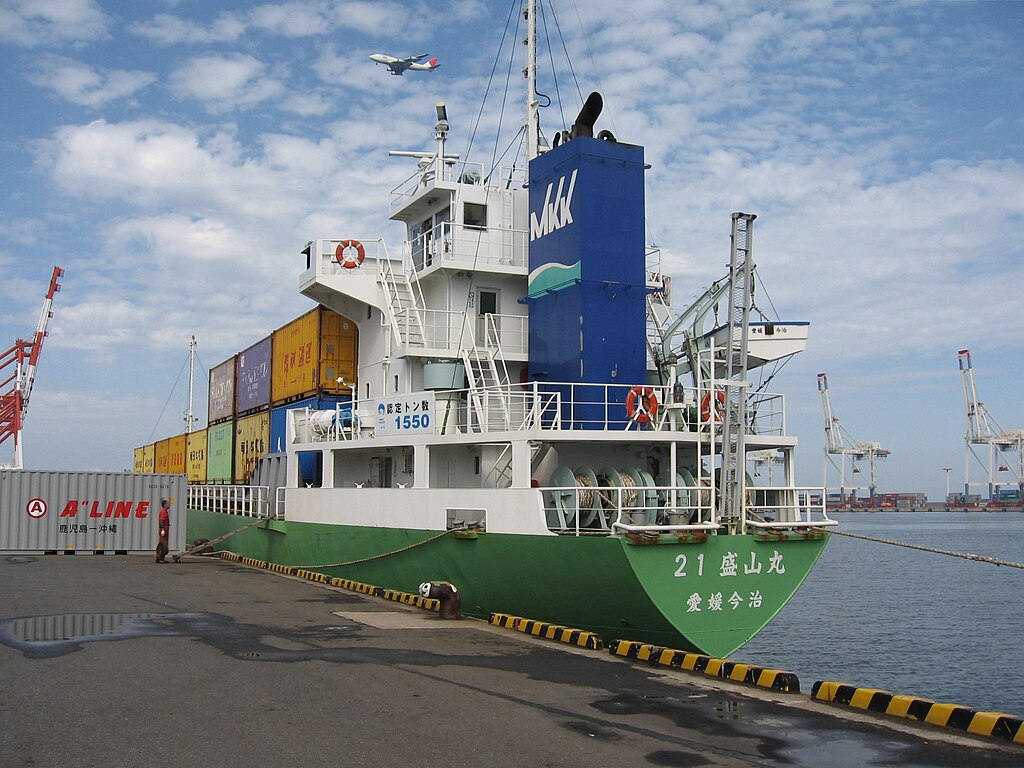
Japan’s exports rose sharply in January, marking a fifth consecutive month of growth and signaling continued resilience in the country’s external sector. According to data released Wednesday by Japan’s Ministry of Finance, exports climbed 16.8% year-on-year, significantly outperforming market expectations. Economists surveyed by Reuters had forecast a more modest 12% increase, making the latest figures a positive surprise for the Japanese economy.
The stronger-than-expected export growth highlights steady global demand for Japanese goods, offering support to the nation’s economic outlook. Sustained expansion in overseas shipments has become a key driver of Japan’s recovery, particularly as domestic consumption remains uneven. The latest trade data suggests that export momentum is helping offset broader economic challenges, including currency fluctuations and global uncertainty.
Meanwhile, imports fell 2.5% in January compared with the same period last year. This decline contrasts with economists’ expectations of a 3% rise, indicating softer domestic demand or easing commodity prices. Lower import values can also reflect changes in energy costs, which have heavily influenced Japan’s trade balance in recent years.
As a result of robust export performance and declining imports, Japan’s trade deficit narrowed considerably. The country recorded a trade deficit of 1.15 trillion yen (approximately $7.50 billion), much smaller than the projected deficit of 2.14 trillion yen. The improved trade balance suggests that export growth is outpacing import costs, providing some relief to policymakers monitoring inflation and currency trends.
Overall, the latest trade figures underscore Japan’s improving external trade position. With exports beating forecasts and the trade deficit coming in lower than expected, the data points to strengthening global demand for Japanese products and a more balanced trade environment heading into the new year.













