


 Lula and Trump Talks Signal New Phase in Brazil-US Relations
  China Export Growth Surges in April as Global Buyers Rush to Secure Supplies
  FEMA Reinstates Employees After Dissent Letter, Signaling Shift in Workforce Stability
  Judge Delays SEC Settlement With Elon Musk Over Twitter Stock Disclosure Case
  CDC Monitors U.S. Travelers After Hantavirus Outbreak on Luxury Cruise Ship
  Federal and State Authorities Conduct Widespread Fraud Raids Across Minnesota
  US Sanctions Target Iran’s Shadow Banking Network and Terror Financing
  U.S.-China Beef Trade Deal Hopes Rise Ahead of Trump-Xi Summit
  Oil Prices Rise Amid Strait of Hormuz Tensions and U.S.-Iran Ceasefire Uncertainty
  Gold Prices Rise as Weaker Dollar and U.S.-Iran Peace Hopes Boost Demand
  US-Iran Ceasefire Under Pressure as Fresh Strait of Hormuz Clashes Shake Oil Markets
  Wall Street Hits Record High as AI Chip Stocks and Strong U.S. Jobs Data Boost Markets
  Asian Currencies Slip as US Dollar Gains on Rising Iran Tensions and Awaited Jobs Data
  China Banks Halt New Loans to Sanctioned Refineries Amid U.S.-Iran Oil Crackdown
  European Stocks Fall as US-Iran Conflict Rekindles Energy Supply Fears
  U.S. Fast-Tracks $8.6 Billion Arms Sales to Middle East Allies Amid Rising Tensions
  Trump-Xi Meeting 2026: U.S.-China Trade Tensions Escalate Ahead of Beijing Summit


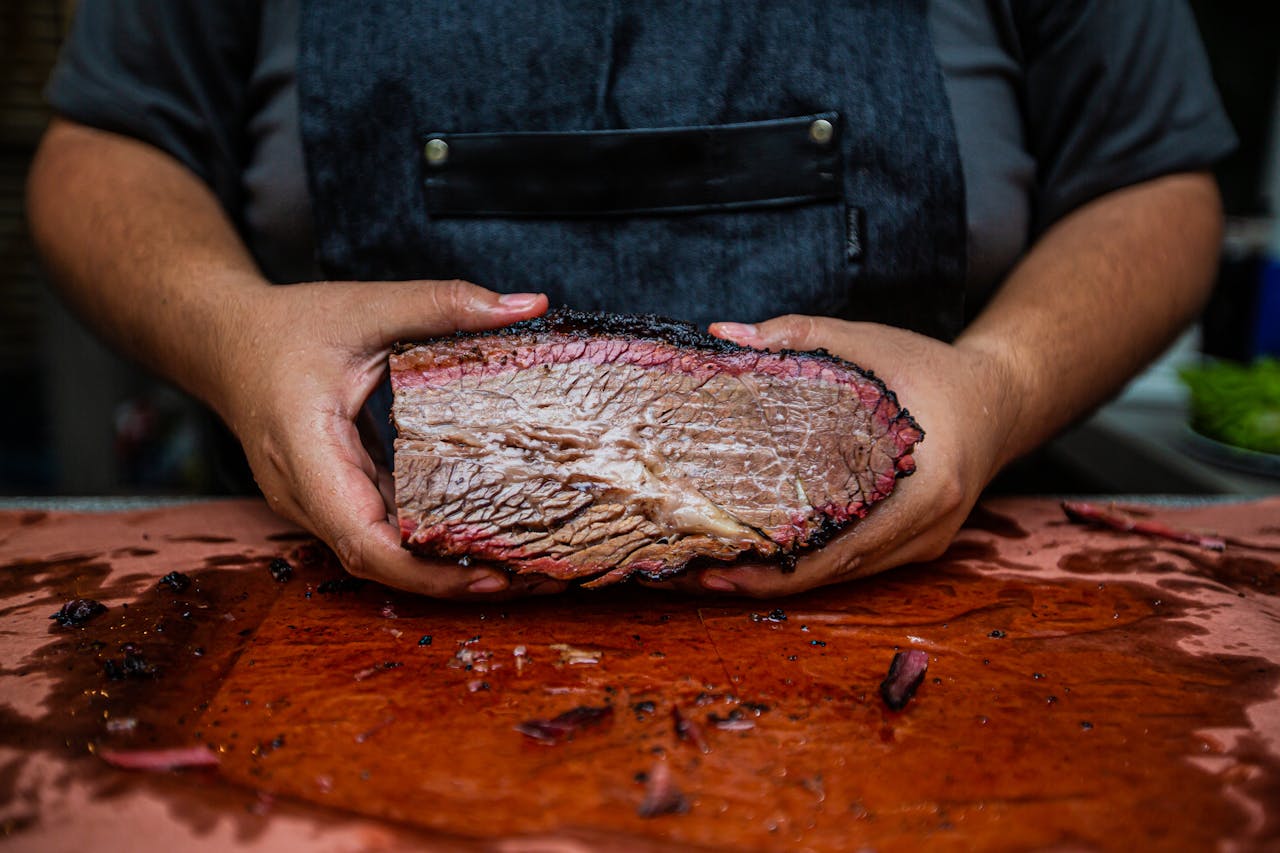
Japan is set to conduct a comprehensive audit of Brazil’s beef sanitary system in March 2026, marking a significant step toward the possible opening of Japan’s lucrative beef market to Brazilian beef exports. The announcement, made by Brazil’s Ministry of Agriculture on Friday, signals renewed momentum in negotiations that have spanned decades between the two countries.
Brazil is currently the world’s largest beef exporter, supplying major global markets across Asia, the Middle East, and Europe. However, access to Japan’s high-value beef market has remained elusive due to strict sanitary and phytosanitary standards enforced by Japanese authorities. Japan is known for its rigorous food safety regulations, making market entry a strategic prize for beef-exporting nations seeking premium pricing and long-term demand stability.
The upcoming audit reflects growing confidence in Brazil’s beef sanitary controls and traceability systems. According to reports from Brazilian newspaper Valor Econômico, Japan’s inspection will initially focus on three southern Brazilian states: Rio Grande do Sul, Santa Catarina, and Paraná. These states are recognized for their advanced livestock management practices, disease control measures, and strong compliance with international animal health standards, making them logical starting points for the assessment.
Negotiations gained notable traction in 2025 following Brazilian President Luiz Inácio Lula da Silva’s official visit to Japan earlier this year. During the visit, agricultural trade and food security cooperation were highlighted as key areas of bilateral interest. Japan, which relies heavily on imported beef to meet domestic demand, has been exploring ways to diversify its supplier base while maintaining its strict safety requirements.
If the audit yields positive results, it could open the door for Brazilian beef exports to Japan, significantly boosting Brazil’s agricultural trade revenues and strengthening economic ties between the two nations. For Japan, access to Brazilian beef could enhance supply stability and introduce greater competition into its beef market. The March 2026 audit is therefore seen as a pivotal milestone with potentially far-reaching implications for global beef trade.







